
MARIA CAROLINA DE ALBUQUERQUE WANDERLEY
|
|
|
- Lucinda di Azevedo
- 7 Há anos
- Visualizações:
Transcrição

1 UNIVERSIDADE FEDERAL RURAL DE PERNAMBUCO PRÓ-REITORIA PESQUISA E PÓS-GRADUAÇÃO PROGRAMA DE PÓS-GRADUAÇÃO EM DESENVOLVIMENTO E INOVAÇÃO TECNOLÓGICA EM MEDICAMENTOS MARIA CAROLINA DE ALBUQUERQUE WANDERLEY PRODUÇÃO, CARACTERIZAÇÃO PARCIAL E PURIFICAÇÃO DE COLAGENASE PRODUZIDA POR Penicillium sp. UCP 1286 ISOLADO DA CAATINGA RECIFE PE MARÇO / 2016
2 MARIA CAROLINA DE ALBUQUERQUE WANDERLEY PRODUÇÃO, CARACTERIZAÇÃO PARCIAL E PURIFICAÇÃO DE COLAGENASE PRODUZIDA POR Penicillium sp. UCP 1286 ISOLADO DA CAATINGA Tese de Doutorado apresentada ao ao Programa de Pós-Graduação em Desenvolvimento e Inovação Tecnológica em Medicamentos (PPgDITM), da Universidade Federal Rural de Pernambuco, como requisito para obtenção do título de Doutor em Desenvolvimento e Inovação Tecnológica em Medicamentos. Orientadora: Prof. Dra. Ana Lúcia Figueiredo Porto Co-orientadora: Prof. Dra. Carolina A. Lima Co-orientador: Prof. Dr. José António Couto Teixeira RECIFE PE MARÇO / 2016
3 Ficha catalográfica W245p Wanderley, Maria Carolina de Albuquerque Produção, caracterização parcial e purificação de colagenase produzida por Penicillium sp. UCP 1286 isolado da caatinga / Maria Carolina de Albuquerque Wanderley. Recife, f. : il. Orientadora: Ana Lúcia Figueiredo Porto. Tese (Doutorado em Desenvolvimento e Inovação Tecnológica em Medicamentos) Universidade Federal Rural de Pernambuco, Departamento de Ciências Moleculares, Recife, Inclui referências e anexo(s). 1. Enzima 2. Colagenolítica 3. Penicillium 4. Colágeno 5. SDFA I. Porto, Ana Lúcia Figueiredo, orientadora II. Título CDD
4 Parecer da comissão examinadora da defesa de tese, na Universidade Federal Rural de Pernambuco, de: MARIA CAROLINA DE ALBUQUERQUE WANDERLEY PRODUÇÃO, CARACTERIZAÇÃO PARCIAL E PURIFICAÇÃO DE COLAGENASE PRODUZIDA POR Penicillium sp. UCP 1286 ISOLADO DA CAATINGA Recife, 28 de março de 2016 COMISSÃO EXAMINADORA Prof. Dra. Ana Lúcia Figueiredo Porto (Presidente) Universidade Federal Rural de Pernambuco (UFRPE) Prof. Dra. Galba Maria de Campos-Takaki (Membro externo) Universidade Católica de Pernambuco (UNICAP) Prof. Dr. Bruno Severo Gomes (Membro externo) Universidade Federal de Pernambuco (UFPE) Prof. Dra. Raquel Bezerra Pedrosa Universidade Federal Rural de Pernambuco (UFRPE) Prof. Dr. Romero Marcos Pedrosa Brandão Costa Universidade Federal Rural de Pernambuco (UFRPE) Prof. Dr. Valdemiro Amaro da Silva Júnior (Suplente) Universidade Federal Rural de Pernambuco (UFRPE) Prof. Dra. Ana Beatriz Sotero Siqueira (Suplente) Universidade Federal de Pernambuco (UFPE)
5 Dedico este trabalho à minha filha, Maria Luísa, e aos meus pais, Domingos e Josélia.
6 AGRADECIMENTOS Agradeço a Deus por me guiar e me dar forças para seguir em frente. Aos meus pais, Domingos e Josélia, que sempre me apoiaram e acreditaram em mim. À minha filha, Maria Luísa, por me acalmar com seu carinho, seus sorrisos e palavras doces que sempre me fazem esquecer os momentos difíceis. Ao meu namorado, Danilo, por todo amor, companheirismo, respeito e compreensão. À minha irmã, Natália, minha cúmplice e amiga. À minha sogra, Maria Auxiliadora, que tem sido uma segunda mãe desde sempre. À minha orientadora, Prof. Dra. Ana Lúcia Figueiredo Porto, que representou mais que sua função na minha vida. Não mediu esforços para me apoiar e incentivar, tanto no crescimento acadêmico quanto pessoal. Agradeço por enfrentar junto a mim o desafio da construção deste trabalho. À minha co-orientadora, Prof. Dra. Carolina Albuquerque de Lima, que contribuiu bastante com o desenvolvimento da tese. Além de toda compreensão e atenção que teve comigo, desde o primeiro contato até a finalização da tese. Ao meu co-orientador, Prof. Dr. José António Couto Teixeira, pelo enriquecimento deste trabalho e por ter me acolhido tão bem durante o Doutorado Sanduíche, em Portugal. Aos amigos inesquecíveis do Laboratório de Fermentações, em especial a Sara, Sheylla, Aloia, Lina, Mariana, Ana Rodrigues, Abril e Maikon. Também aos amigos do Departamento de Engenharia Biológica, Luciane, Manoela, Lúcia, Marlene, Chema e André Antunes. Aos amigos do Laboratório de Biotecnologia, José Manoel, Anderson, Marcella, Thiago, Roberta e Mirella, localizado no Laboratório de Imunopatologia Keizo Asami (LIKA) que me ajudaram e tornaram mais felizes os dias de trabalho. Aos integrantes do Labtecbio, em especial a Romero, sempre dispostos a ajudar. Ao LIKA e UFPE pela disponibilização de sua estrutura e laboratórios. Ao Labtecbio, à UFRPE e ao Programa de Pós-Graduação em Desenvolvimento e Inovação Tecnológica em Medicamentos por todo incentivo e apoio oferecido. Aos professores participantes da banca avaliadora pela presença e contribuições para este trabalho. À Fundação de Amparo à Ciência e Tecnologia do Estado de Pernambuco (FACEPE) pelo auxílio financeiro concedido no início do Doutorado, bem como ao
7 Conselho Nacional de Desenvolvimento Científico e Tecnológico (CNPq) pela oportunidade de realizar o Doutorado Sanduíche, e à Comissão de Aperfeiçoamento de Pessoal do Nível Superior (CAPES) pelo restante do financiamento do Doutorado. A todos que acreditaram em mim, espero que um dia eu retribua toda a esperança aqui depositada. É com muito orgulho que concluo mais uma etapa da minha vida, sabendo que o que está escrito em mim, comigo ficará guardado.
8 Freedom of thought is best promoted by the gradual illumination of men s minds which follows from the advance of science. Charles Darwin
9 RESUMO Colagenases são enzimas específicas capazes de degradar a tripla hélice do colágeno nativo ou desnaturado. A busca por novas colagenases microbianas têm aumentado bastante ao longo dos anos. Uma nova cepa de Penicillium sp. (UCP 1286) isolada do solo da Caatinga, um bioma exclusivamente brasileiro, foi selecionada para produção de colagenase. O meio de cultura utilizado foi constituído apenas de gelatina como fonte de carbono e nitrogênio. A atividade colagenolítica obtida foi cerca de 2,7 vezes maior que os valores descritos na literatura, tanto para a atividade volumétrica (379,79 U/mL) quanto específica (1.460,77 U/mg), no intervalo de tempo de 126 h de produção. A partir da aplicação de planejamento fatorial, produção da enzima aumentou 65% em comparação aos resultados preliminares obtidos, sendo equivalente a 632,70 U/mL de atividade colagenolítica. A caracterização da enzima mostrou que o ph ótimo foi 9,0 e a temperatura ótima, 37 C. Considerando a inibição total pelo fenilmetilsulfonil fluoreto, a enzima parece estar classificada na família das serinocolagenases. Com relação à especificidade, a colagenase produzida por Penicillium sp. UCP 1286 apresentou maior atividade quando utilizado o azocoll como substrato, não apresentando atividade relevante quando testada frente à azocaseína. Comparando a capacidade de degradação da enzima produzida por Penicillium sp. com a enzima comercial de Clostridium histolyticum, observou-se que apresentou maior especificidade para o colágeno tipo V e gelatina, e a principal banda observada através de eletroforese correspondeu ao peso molecular de 37 kda e o zimograma confirmou atividade colagenolítica. A purificação por Sistema Duas Fases Aquosas (SDFA) foi eficiente para a colagenase produzida por Penicillium sp. UCP Sendo os maiores valores de rendimento e coeficiente de partição obtidos no planejamento fatorial [PEG 3350 g/mol a 15% (m/m) de concentração, e fosfato com ph 7 e concentração 12,5% (m/m)]. Os resultados sugerem que a enzima produzida apresenta-se como um produto biotecnológico promissor com aplicabilidade na área da saúde. Palavras-chave: Enzima Colagenolítica, Penicillium, Colágeno, SDFA
10 ABSTRACT Collagen specific enzymes are capable of degrading triple helix of the native or denatured collagen. The search for new microbial collagenases has greatly increased over the years. A new strain of Penicillium sp. (UCP 1286) isolated from soil of Caatinga, an exclusively Brazilian biome, was selected for the production of collagenase. The culture medium used had only gelatin as a source of carbon and nitrogen. The collagenolytic activity achieved was about 2.7 times higher than the values reported in the literature, both for volumetric activity ( U/mL) and specific activity ( U/mg) in a time interval of 126 hours of production. With factorial design application, enzyme production increased 65% compared to the preliminary results, equivalent to U/mL of collagenolytic activity. The characterization of the enzyme showed that the optimum ph and temperature were, respectively, 9.0 and 37 C. Due to the total inhibition by phenylmethylsulfonyl fluoride, the enzyme seems to be classified in the family of serinocollagenases. With regard to specificity, collagenase produced by Penicillium sp. UCP 1286 showed higher activity when used as a substrate azocoll, showing no activity when tested against the azocasein. Comparing the enzyme degradation capacity produced by Penicillium SP. With commercial enzyme produced by Clostridium histolyticum, the first presented more specific to type V collagen and gelatin. The major band observed in electrophoresis corresponded to the molecular weight of 37 kda, and zimogram confirmed collagenolytic activity. The purification technique via aqueous two-phase system (ATPS) was effective for collagenase produced by Penicillium sp. UCP The run with better values of yield and partition coefficient were at runs on center point, using PEG 3350 g/mol at 15.0% (w/w) concentration, and phosphate at ph 7.0 and concentration 12.5% (w/w). Results indicate that the enzyme is a promising biotechnological product. Keywords: Collagenolytic Enzyme, Penicillium, Collagen, Factorial Design, ATPS
11 CAPÍTULO I Figura 1. Um panorama das aplicações de proteases (Adaptado de Li et al. 2013) Figura 2. Mecanismo de ação das colagenases (Adaptado de Rao et al, 1998) Figura 3. Conformação das principais classes de proteases (Adaptado de López-Otín e Bond, 2008) Figura 4. Ação das colagenases de mamíferos e clostridial. TC = tropocolágeno (Adaptado de Jung e Winter, 1998). Figura 5. Casos clínicos que comprovam a eficácia do uso da pomada com colagenase (Adaptado de Jung e Winter, 1998) Figura 6. Representação clínica da doença de Dupuytren (a) e tratamento à base de colagenase (b) (Adaptado de Shih e Bayat, 2010) Figura 7. Parte helicoidal das cadeias em diferentes tipos de colágeno. (A) Colágeno tipo I, com duas cadeias idênticas e uma diferente. (B) Colágeno tipo II, com três cadeias idênticas. (C) Colágeno tipo III, com três cadeias idênticas. Neste último, ligações de pontes de sulfeto intermolecular estão presentes na região helicoidal. Figura 8. Estrutura do colágeno (Adaptado de Morris and Gonsalves, 2010) 21 CAPÍTULO II Figure 1. Collagen Molecule: intertwining three alpha chains triple helix 43 Figure 2. Total articles selected in 4 different databases using the 47 described methodology CAPÍTULO III
12 Figure 1. Collagenolytic activity and total protein content produced by Penicillium UCP 1286 isolated from Caatinga in gelatin culture medium Figure 2. (A) Effect of ph on the activity of extracellular collagenase produced by Penicillium sp. UCP 1286 isolated from Caatinga, expressed as percentage of the maximum one obtained in 0.05 M Tris-HCl buffer (ph 9.0). (B) Effect of ph on the stability of extracellular collagenase produced by Penicillium sp. UCP 1286 isolated from Caatinga, expressed as the residual activity with respect to that at the beginning. Each value is the average of results of three experiments, and the error bars show the standard deviations Figure 3. (A) Effect of temperature on the activity of extracellular collagenase produced by Penicillium sp. UCP 1286 isolated from Caatinga, expressed as percentage of the maximum one obtained at 37 C. (B) Effect of temperature on the stability of extracellular collagenase produced by Penicillium sp. UCP 1286 isolated from Caatinga, expressed as the residual activity with respect to that at the beginning. Each value is the average of the results of three experiments, and the error bars show the standard deviations Figure 4. Substrate specificity of Penicillium sp. UCP 1286 and Commercial Collagenase (produced by Clostridium hystolyticum). The enzyme s activity towards zocoll was assumed as 100% Figure 5. (A) SDS-PAGE patterns of Penicillium UCP 1286 crude extract (Cr) and 60-80% fraction obtained from precipitation with ammonium sulfate (F). MM: molecular mass. (B) Zymogram analysis of collagenase
13 CAPÍTULO IV Figure 1. (A) Effect of ph on the activity of collagenase from by Penicillium sp. UCP 1286 purified by ATPS, expressed as percentage of the maximum one obtained in 0.05 M Tris-HCl buffer (ph 9.0). (B) Effect of ph stability of collagenase from by Penicillium sp. UCP 1286 purified by ATPS, expressed as the residual activity with respect to that at the beginning. Each value is the average of results of two experiments, and the error bars show the standard deviations. Figure 2. (A) Effect of temperature on the activity of collagenase from by Penicillium sp. UCP 1286 purified by ATPS, expressed as percentage of the maximum one obtained in 37 C. (B) Effect of temperature stability of collagenase from by Penicillium sp. UCP 1286 purified by ATPS, expressed as the residual activity with respect to that at the beginning. Each value is the average of results of two experiments, and the error bars show the standard deviations. Figure 3. SDS-PAGE patterns of collagenase from by Penicillium sp. UCP 1286 purified by ATPS and crude extract (Cr) MM: molecular mass
14 LISTA DE TABELAS CAPÍTULO I Tabela 1. Tabela 2. Descrição dos artigos publicados na literatura relacionados à produção de colagenase Classificação dos diferentes tipos de colágeno de acordo com as famílias, composição molecular e distribuição nos tecidos (Adaptado de Gelse et al. 2003) CAPÍTULO II Table 1. Score of selected parameters for critical evaluation of the 46 systematic review Table 2. Scores distribution of selected articles 48 Table 3. Summary of selected articles relevant data according to the criteria adopted on the review 49 CAPÍTULO III Table 1. Table 2. Table 3. Table 4. Factors levels used in 2 4 design to investigate the production of collagenolytic enzyme by Penicillium sp. isolated from Caatinga soil Conditions and results of fermentations conducted according to the 2 4 factorial design Statistically significant main effects and interactions estimated from the collagenolytic activity and biomass concentration values listed in Table 2 Description of work reported in the literature relating to the production of collagenolytic enzymes
15 CAPÍTULO IV Table 1. Table 2. Factor levels of the 2 4 -full factorial design used to investigate collagenase partition and purification by ATPS Factor level combinations and results of the 2 4 factorial design employed to investigate the extraction of collagenase from Penicillium sp. UCP 1286 by PEG/phosphate ATPS. No biphasic system was observed in the run
16 LISTA DE ABREVIAÇÕES E SIGLAS UCP Azocoll kda PMSF SDS SDS-PAGE EDTA Gly 4-Hyp Ileu Leu MMPs Pro EC SDFA ATPS PF PEG K Y Universidade Católica de Pernambuco Azo dye-impregnated collagen Quilo Dalton Fenilmetilsulfonil fluoreto Sódio dodecil sulfato Eletroforese em gel de poliacrilamida utilizando SDS Ácido etileno diamino tetracético Glicina 4-Hidroxiprolina Isoleucina Leucina Metaloproteinases da matriz Prolina Enzyme commission Sistema Duas Fases Aquosas Aqueous Two-Phase System Purification Factor Polyethilene Glycol Partition coefficient Activity yield
17 SUMÁRIO 1 INTRODUÇÃO OBJETIVOS Geral Específicos CAPÍTULO I Revisão de Literatura Mercado global das enzimas Proteases Fontes de proteases Classificação de proteases Colagenases Classificação das colagenases Condições de produção das colagenases Sistema Duas Fases Aquosas (SDFA) Aplicações Médicas da Colagenase Colágeno Aplicação do colágeno Caatinga REFERÊNCIAS CAPÍTULO II Introduction Material and Methods Results and Discussion Microorganism Culture Medium Culture Conditions Collagenolytic Activity... 54
18 3.5 Enzyme Characterization Isoeletric Point ph and Temperature Optimal Inhibitors Substrate Specificity Molecular Weight Purification Conclusions Acknowledgments Ethical Statement/Conflict of Interest References CAPÍTULO III Introduction Material and methods Microorganism Culture medium Kinetic of growth and collagenolytic enzyme production Screening of significant variables for collagenolytic enzyme production Azocoll assay for collagenolytic enzyme activity determination Saline precipitation with ammonium sulfate Protein and Biomass determination Effects of ph and temperature on collagenolytic enzyme activity and stability Substrate specificity Effect of inhibitors Polyacrylamide gel electrophoresis (SDS-PAGE) Zymogram Results Enzyme production kinetics... 78
19 2 4 Factorial Design Effect of ph on collagenolytic activity and stability Effect of temperature on collagenolytic activity and stability Substrate specificity Effects of inhibitors Electrophoresis and Zymogram Microorganism Enzyme production kinetics Factorial Design Enzyme characterization Conclusions Acknowledgments Ethical Statement/Conflict of Interest References Figure legends Figures Tables CAPÍTULO IV Introduction Material and methods Microorganism Culture medium Azocoll assay for collagenolytic enzyme activity determination Protein determination Aqueous two-phase systems Determinations of the partition coefficient, activity yield and purification factor Characterization of extracted collagenase
20 2.6.1 Effects of ph and temperature on collagenolytic enzyme activity and stability Substrate specificity Effect of inhibitors Polyacrylamide gel electrophoresis (SDS-PAGE) Results and Discussion Conclusions Acknowledgments Ethical Statement/Conflict of Interest References ANEXOS Normas para a redação de artigos para a revista Brazilian Journal of Microbiology Normas para a redação de artigos para a revista World Journal of Microbiology and Biotechnology Produção
21 1 1 INTRODUÇÃO Proteases colagenolíticas apresentam a capacidade de hidrolisar tanto colágeno nativo quanto desnaturado, e estão tornando-se cada vez mais importantes comercialmente (Lima et al., 2009). As colagenases produzidas por micro-organismos são preferíveis, quando comparadas com as dos mamíferos ou plantas, por causa da diversidade bioquímica e susceptibilidade à manipulação genética que suas fontes possuem (Pandey et al., 2006; Rao et al., 1998). Os fungos possuem grande vantagem dentre os micro-organismos produtores de enzimas colagenolíticas. A produção enzimática ocorre extracelularmente, o que torna particularmente mais fácil a sua recuperação após o final da fermentação (Sandhya et al., 2005). Colagenases têm sido descritas como utilizadas em diversos segmentos industriais, como: medicinal, farmacêutico, alimentício, cosmético e têxtil (Goshev et al., 2005; Kanth et al., 2008). Quanto à aplicação médica, há relatos na literatura de sua aplicação no tratamento de úlceras e queimaduras (Agren et al., 1992; Püllen et al., 2002), para eliminar escaras (Shmoilov et al., 2006), no tratamento da doença de Dupuytren's, em vários tipos de fibroses (como cirrose), no preparo de amostras para diagnóstico (Lima et al., 2013), na produção de peptídeos bioativos com atividades antioxidante e antimicrobiana (Lima et al., 2014), além de possuírem um importante papel no sucesso de cirurgias para transplantes de alguns órgãos (Shmoilov et al., 2006). A busca por novas colagenases microbianas têm aumentado bastante ao longo dos anos, e alguns autores relatam que sua produção representa, atualmente, uma das maiores dentro da indústria de produção enzimática (Abidi et al., 2013; Graminho et al., 2013). Se faz necessário o desenvolvimento e investimento em estudos que comprovem a aplicação de novas colagenases produzidas por microorganismos, uma vez que possuem vasto espectro de aplicação com alto potencial biotecnológico e valor comercial agregados. Diversos processos têm sido desenvolvidos para otimizar o isolamento e purificação de colagenases, devido ao seu vasto potencial de aplicação biotecnológico. À medida que são desenvolvidos métodos mais rentáveis, sua utilização também se expande, o que implica na necessidade de um entendimento mais aprofundado a respeito dessas enzimas (Daboor et al., 2010).
22 2 Existem vários métodos descritos na literatura para a separação e purificação de proteases. A ultrafiltração, precipitação e cromatografia são métodos comuns(li et al. 2006). No entanto, para a escala industrial, tais procedimentos são considerados viáveis devido ao elevado custo e longo tempo de processamento (McMaster 2007). Assim, a busca de métodos alternativos de purificação de proteases tornou-se cada vez mais comum (Yavari et al. 2013). A extração líquidolíquido utilizando sistemas duas fases aquosas (SDFA) é um dos processos bioseparação mais promissora, que pode ser usado nas fases iniciais do processo de purificação, substituindo as separações sólido-líquido difíceis, ou mesmo em etapas de purificação subsequente (Rosso et al. 2012). O presente projeto teve como proposta produzir colagenase a partir de Penicillium sp. UCP 1286 isolado da Caatinga, estudar os parâmetros fermentativos mais relevantes para o melhoramento da produção através da utilização de planejamento estatístico e caracterizar parcialmente a enzima. Além de purificar a enzima utilizando SDFA.
23 3 2 OBJETIVOS 2.1 Geral Produzir, caracterizar parcialmente e purificar a colagenase do Penicillium sp. UCP 1286, avaliar os parâmetros fermentativos mais relevantes para o melhoramento da produção através da utilização de planejamento estatístico. 2.2 Específicos Selecionar, entre as linhagens provenientes da Caatinga disponíveis na Coleção UCP da Universidade Católica de Pernambuco (UNICAP), a melhor produtora de colagenase; Avaliar a influência do ph inicial do meio de cultura, da temperatura, da velocidade de agitação orbital e da concentração inicial do substrato na produção da colagenase através de planejamento fatorial completo 2 4 ; Caracterizar a colagenase quanto aos aspectos físico-químicos, tais como: ph ótimo, temperatura ótima, estabilidade ao ph e à temperatura, ação de inibidores e especificade a substratos; Analisar as variáveis de resposta: coeficiente de partição (K), recuperação em atividade (Y) e fator de purificação (FP) através do planejamento fatorial do SDFA; Avaliar e analisar a influência das variáveis: massa molar do Polietilenoglicol (PEG), concentração do PEG, concentração de fosfato e ph do fosfato, sobre a extração da colagenase através do SDFA, utilizando planejamento fatorial 2 4.
24 4 3 CAPÍTULO I 3.1 Revisão de Literatura Mercado global das enzimas As enzimas possuem vasta aplicação nas indústrias de alimentos, detergentes e couro, além de serem importantes no estudo da estrutura de proteínas e peptídeos. A crescente preocupação com a consciência ambiental causada pela poluição das indústrias químicas exigiu o desenvolvimento de processos à base de enzimas como alternativa de substituição parcial ou total aos processos químicos que apresentam toxicidade (Laxman et al., 2005). Estudos recentes apontam um aumento no uso das enzimas em processos industriais e reações químicas (Jisha et al., 2013; Kumar et al., 2014). A utilização industrial de enzimas é extremamente ampla e possui inúmeras aplicações (Adrio e Demain, 2014). Estima-se que existem cerca de 500 produtos industriais sendo produzidos a partir de enzimas (Johannes e Zhao, 2006; Kumar e Singh, 2012). A grande parte das enzimas (cerca de 65%) são utilizadas nas indústrias de detergentes, amido, couro, têxtil, produtos para cuidados pessoais e de papel e celulose. Enzimas alimentícias representam o segundo maior segmento com 25% do mercado, incluindo aplicações nas indústrias da cerveja, vinho, suco, pães, gorduras e óleos. Por último, ocupando 10% do mercado, estão as enzimas utilizadas na produção de suplementos alimentares para animais (Cherry e Fidantsef, 2003). Os processos industriais envolvidos na produção de produtos químicos e farmacêuticos têm muitas desvantagens em relação aos processos enzimáticos, tais como: uma baixa eficiência catalítica, a necessidade de altas temperaturas, baixo ph e pressões elevadas, além disso, geram uma grande quantidade de resíduos orgânicos e a poluição devida ao uso de solventes orgânicos (Adrio e Demain, 2014; Cherry e Fidantsef, 2003). Nos últimos anos, o aumento na utilização de enzimas com a finalidade de catalisadores industriais pôde ser observado, devido a elas funcionam sob condições de reação brandas, são derivadas de fontes renováveis, são biodegradáveis e apresentam especificidade e seletividade (Cherry e Fidantsef, 2003).
25 5 A busca de novas enzimas continua a ser um desafio constante, principalmente devido à necessidade de desenvolvimento de condições de produção mais sustentáveis (Adrio e Demain, 2014; Jisha et al., 2013; Sumantha et al., 2005). Com o avanço da biotecnologia, enzimas microbianas têm recebido cada vez mais atenção e processos que possam envolver a utilização da maquinaria metabólica microbiana para a produção de enzimas têm sido foco de interesse (Laxman et al., 2005). O mercado global das enzimas industriais é competitivo, com a Novozymes representando a principal empresa dominante, seguida da DSM e Dupont, entre outras. A competição ocorre pela busca de um produto com qualidade e performance, pelo uso dos direitos de propriedade intelectual e habilidade de inovação. Os continentes pioneiros no consumo das enzimas são a Europa e América do Norte, seguidos dos países asiáticos como China, Japão e Índia (Adrio e Demain, 2014) Proteases As proteases (Enzyme Commission - EC 3:4, 11-19, 20-24, 99) provavelmente surgiram nos primeiros estágios de evolução das proteínas, atuando como enzimas destrutivas simples necessárias ao catabolismo protéico e geração de aminoácidos em organismos primitivos (López-Otín e Bond, 2008). Enzimas com capacidade de clivar proteínas compõem a maior família das enzimas, constituindo cerca de 2% do genoma humano (Marnett e Crai, 2005; Schilling e Overall, 2008). Podem ser consideradas executoras eficientes de uma reação química comum: a hidrólise de ligações peptídicas (López-Otín e Bond, 2008). As proteases pertencem a um grupo de enzimas altamente complexo que diferem entre si na especificidade ao substrato, mecanismo catalítico e sítio ativo (Sumantha et al., 2006). Possuem uma série de funções e várias aplicações biotecnológicas importantes que variam desde aditivos em detergentes a produtos terapêuticos efetivos (Figura 1) (Li et al., 2013; Lima et al., 2009).


26 6 Figura 1. Um panorama das aplicações de proteases (Adaptado de Li et al. 2013) Fontes de proteases Uma vez que as proteases são fisiologicamente necessárias para a vida de todos os organismos, elas são ubíquas e podem ser encontradas em vasta diversidade de fontes, como animais, plantas e micro-organismos (Rao et al., 1998). Papaína, bromelina e queratinases são exemplos de proteases originadas de plantas. Entretanto, a produção a partir de plantas é um processo que demanda bastante tempo, além de vários fatores estarem envolvidos, como espaço de terra para cultivo e condições climáticas favoráveis ao crescimento. Já as proteases mais comuns obtidas de animais são: tripsina, quimiotripsina, pepsina e reninas. Contudo, esta produção depende da disponibilidade de animais, que por sua vez é governada por políticas públicas e agrícolas (Jisha et al., 2013; Rao et al., 1998). Dentre as várias fontes de proteases, as que são produzidas por microorganismos têm um papel importante em processos biotecnológicos e estão sendo utilizadas com mais frequência, pois grandes quantidades dessas enzimas podem ser produzidas rapidamente e com baixo custo (Barret et al., 2004). Em geral, proteases microbianas são preferíveis às enzimas obtidas a partir de plantas e animais devido à possibilidade de manipulação genética e a diversidade bioquímica dos micro-organismos (Pandey et al., 2006; Rao et al., 1998).

27 7 Com o crescimento da biotecnologia, as aplicações das proteases têm expandido para novas áreas, como clínica, medicinal e química analítica (Shanmughapriya et al., 2008). A busca de novas proteases microbianas tem aumentado ao longo dos anos e, atualmente, representam uma das maiores indústrias de enzimas (Abidi et al., 2013; Graminho et al., 2013) Classificação de proteases Devido as suas diversidades estruturais e funcionais, as proteases são capazes de realizar funções que podem variar entre a reciclagem de uma proteína intracelular para a digestão de um nutriente e a amplificação do sistema de cascata da resposta imunológica. A diversificação dos papéis biológicos é decorrente da evolução das inúmeras estruturas protéicas, que convergiram para locais ativos semelhantes e conseguem reconhecer substratos variados (Li et al., 2013). As proteases podem ser divididas em dois grupos principais: exopeptidases e endopeptidades, dependendo do seu local de ação (Figura 2). Exopeptidases hidrolisam ligações peptídicas próximas ao terminal amino (aminopeptidases) ou carboxi (carboxipeptidases), enquanto as endopeptidases clivam ligações peptídicas distantes das extremidades aminoterminal e carboxiterminal (López-Otín e Bond, 2008; Rao et al., 1998). Figura 2. Mecanismo de ação das proteases (Adaptado de Rao et al., 1998) Com relação à estrutura e mecanismo de ação dessas enzimas, novos esquemas de classificação foram propostos. Baseado nos mecanismos de catálises, por exemplo, proteases são classificadas em seis classes distintas: aspártico, glutâmico, metalo, cisteíno, serino e treonina proteases, embora as glutâmicas não tenham sido encontradas em mamíferos até agora (Figura 3) (López-Otín e Bond, 2008).


28 8 Figura 3. Conformação das principais classes de proteases (Adaptado de López- Otín e Bond, 2008) As aspárticoproteases (EC ) possuem um resíduo de ácido aspártico para propiciar suas atividades catalíticas. As metaloproteases (EC ) são carboxipeptidases (proteases que liberam um único resíduo C-terminal de um polipeptídeo) que usam íons metálicos em seu mecanismo de catálise. Cisteinoproteases (EC ) possuem uma cisteína em seu centro ativo. Serinoproteases (EC ) são classificadas como endopeptidases (proteases que clivam ligações internas em cadeias polipeptídicas) que possuem uma serina em seu centro ativo, que está envolvida no processo catalítico (Jisha et al., 2013). As proteases também podem ser classificadas em diferentes famílias, dependendo das suas sequências de aminoácidos e relações evolutivas. Considerando-se o ph ótimo, as proteases podem ser classificadas em ácidas, neutras ou alcalinas (Rao et al., 1998). As metalo e serinoproteases são as classes de proteases com mais componentes, sendo 194 e 176 membros, respectivamente, seguidos de 150
29 9 cisteínoproteases, enquanto que a classe das treonina proteases contém 28 membros e aspártico proteases apenas 21 (López-Otín e Bond, 2008). Ambas podem ser tanto endo quanto exopeptidases (Rao et al., 1998). Dentre as metaloproteases de importância farmacêuticas, estão encontradas as colagenases Colagenases Poucas enzimas possuem capacidade de degradação da estrutura do colágeno, e as que apresentam essa propriedade são conhecidas como enzimas ou proteases colagenolíticas (Daboor et al., 2010). Proteases colagenolíticas estão tornando-se cada vez mais importantes comercialmente (Lima et al., 2009). As colagenases têm sido isoladas e caracterizadas a partir de diferentes fontes, como o trato digestivo de peixes e invertebrados, incluindo da barbatana caudal do girino (Gross e Nagai, 1965; Nagai et al., 1966), bacalhau do Atlântico (Kristjánsson et al., 1995), caramujo (Achatina fulica) (Indra et al., 2005), camarão tropical (Penaeus vannamei) (Sellos e Van Wormhoudt, 1999; Van Wormhoudt et al., 1992), peixe-gato (Parasilurus asotus) (Klimova et al., 1990; Sellos e Van Wormhoudt, 1992), cavala (Scomber japonicas) (Park et al., 2002); além de plantas, como o gengibre (Zingiber officinale) (Kim et al., 2007). Colagenases produzidas por micro-organismos são preferíveis por causa da diversidade bioquímica e susceptibilidade à manipulação genética que suas fontes possuem (Lima et al., 2011; Rao et al., 1998). Além disso, as colagenases microbianas têm capacidade de clivar a tripla hélice do colágeno em múltiplos sítios, enquanto que as colagenases de mamíferos clivam em um único sítio (Hamdy, 2008; Jain e Jain, 2010). Colagenases microbianas têm sido recuperadas de micro-organismos patogênicos, principalmente o Clostridium histolyticum, que é a fonte mais utilizada para produção dessas enzimas (Daboor et al., 2010). Outras bactérias como Bacillus cereus e Klebsiella pneumoniae (Suphatharaprateep et al., 2011), Bacillus pumilus (Wu et al., 2010), Bacillus licheniformis (Asdornnithee et al., 1994; Baehaki et al., 2014, 2012) também têm sido relatadas. Estudos relatam a biossíntese de colagenase através dos fungos pertencentes a diferentes gêneros como Aspergillus, Cladosporium, Alternaria, Penicillium (de Siqueira et al., 2014; Lima et al., 2011; Rosso et al., 2012; Yakovleva
30 10 et al., 2006), Candida (Lima et al., 2009), Microsporum (Viani et al., 2007) e Rhizoctonia (Hamdy, 2008). Espécies do gênero Penicillium apresentam potencial biotecnológico maior comparado aos outros gêneros citados, tanto pela produção de proteases e outras enzimas, como pela capacidade de crescimento deste microorganismo em diversas condições de cultivo, utilizando ampla variedade de substratos como nutrientes (Ikram-Ul-Haq e Mukhtar, 2007). Dentre os micro-organismos produtores de enzimas colagenolíticas, os fungos possuem grandes vantagens, tais como a elevada produtividade, baixo custo de produção, rápido desenvolvimento e a possibilidade de a enzima resultante poder ser modificada e recuperada mais facilmente. A produção enzimática ocorre extracelularmente, o que torna particularmente mais fácil a sua recuperação após o final da fermentação (Lima et al., 2011; Sandhya et al., 2005). Além disso, colagenases microbianas são mais versáteis, possuem ampla especificidade ao substrato e são capazes de hidrolisar tanto o colágeno nativo insolúvel, quando o colágeno desnaturado solúvel (Daboor et al., 2010; Mookthiar et al., 1985; Peterkofsky, 1982). Como proteases fúngicas são capazes de hidrolisar muitas outras proteínas além do colágeno, a procura de colagenases a partir desses microorganismos com as características adequadas, como, elevada especificidade, é um ponto muito importante a ser mais estudado (Sharkova et al., 2015). Diversos processos têm sido desenvolvidos para otimizar o isolamento e purificação de colagenases, devido ao seu vasto potencial de aplicação biotecnológico. À medida que são desenvolvidos métodos mais rentáveis, sua utilização também se expande, o que implica na necessidade de um entendimento mais aprofundado a respeito dessas enzimas (Daboor et al., 2010). A Tabela 1 descreve alguns micro-organismos relatados na literatura, com potencial para produção de colagenase, bem como os meios de cultura utilizados e as respectivas atividades enzimáticas.
31 11 Tabela 1. Descrição dos artigos publicados na literatura relacionados à produção de colagenase Micro-organismo Meio de cultura Ac (U/mL) a Referências Arthrobotrys oligospora LMZ com gelatina Sim b Minglian et al. (2004) Aspergillus terreus Farelo de trigo Sim b de Siqueira et al. (2014) Aspergillus flavus Meio dependente de 82,95 Mahmoud et al. colágeno (2007) Bacillus cereus Glicerol e gelatina 23,07 Suphatharaprateep et al. (2011) Bacillus Extrato de levedura e 3,10 Baehaki et al. licheniformis colágeno (2012) Bacillus Luria Broth e 0,55 Baehaki et al. licheniformis colágeno (2014) Bacillus pumilus Gelatina e peptona 35,97 Wu et al. (2010) Bacillus subtilis Extrato de levedura e gelatina 3,07 Tran and Nagano (2002) Candida albicans Extrato de malte e 5,00 Lima et al. (2009) gelatina Coccidioides immitis Czapek Sim b Lopes et al. (2008) Entomophtora Casaminoácidos, Sim b Hurion et al. (1977) coronate extrato de levedura e solução de Berthelot Klebsiella pneumoniae Glicerol e gelatina 10,53 Suphatharaprateep et al. (2011) Lagenidium Extrato de levedura e 8,00 Dean e Domnas giganteum glicose (1983) Microsporum canis Meio com colágeno 1,0 Viani et al. (2007) tipo I Paracoccidioides brasiliensis Base de carbono para levedura, colágeno, solução de 1,2 Voltan et al. (2008)
32 12 vitamina, neopeptona Penicillium Farinha de soja 164,00 Lima et al. (2011a) aurantiogriseum Penicillium Farinha de soja 231,00 Lima et al. (2011b) aurantiogriseum Penicillium Meio liquid LMZ Sim b Benito et al. (2002) chrysogenum Rhizoctonia solani Sabouraud, glicose e colágeno 212,33 Hamdy (2008) Streptomyces Farinha de soja 43,50 Jain and Jain exfoliatus (2010) Zygosaccharomyces rouxii Extrato de levedura, peptona e glicose 70,40 Ok and Hashinaga (1996) a = atividade volumétrica; b = atividade qualitativa Os fungos listados na Tabela 1 são como fungos filamentosos (dos gêneros Penicillium, Aspergillus, Arthrobotrys, Microsporum, Entomophthora e Lagenidium), dimórficos (Coccidioides e Paracoccidioides) ou leveduras (Candida e Zygosaccharomyces). Fungos filamentosos são mais estudados quando comparados aos outros tipos de fungos em relação à produção de colagenase. Do ponto de vista industrial, a patogenicidade pode influenciar negativamente na escolha do micro-organismo para o desenvolvimento do bioprocesso. Muitos artigos listados na Tabela 1 contêm fungos patogênicos, os quais foram estudados para melhor compreensão dos mecanismos causadores de suas respectivas doenças, e não pela produção de enzima colagenolítica propriamente dita. A produção de colagenase por micro-organismos representam um fator de virulência, uma vez que possuem papel importante na destruição de tecidos (Awad et al., 2000). Considerando esse aspecto, além da atividade enzimática e especificidade, a espécie Penicillium aurantiogriseum foi a que apresentou melhor produção de colagenase (Lima et al., 2011). Cerca de 30 a 40% do custo de produção estão relacionados ao custo do meio de cultura (Joo et al., 2002). A possibilidade de variar a composição do meio de cultura, utilizando materiais de baixo custo, pode interferir positivamente no custo final da produção. Dos artigos listados na Tabela 1, doze utilizaram alguma fonte de
33 13 colágeno para indução da produção de colagenase. Entretanto, Lima et al. (2011b) relataram o uso de um meio de cultura de baixo custo para a produção de colagenase por P. aurantiogriseum, utilizando farinha de soja como substrato principal, alcançando 231,00 U/mL da enzima. Hamdy (2008) utilizou meio de cultura contendo Sabouraud, glicose e colágeno insolúvel tipo I para a produção de colagenase por R. solani e obteve a segunda maior atividade enzimática (212,33 U/mL). Mahmoud et al. (2007) observaram uma atividade enzimática igual a 82,95 U/mL da colagenase produzida por A. flavus utilizando meio de cultura contendo gelatina, glicose, extrato de levedura e colágeno nativo bovino. Ok e Hashinaga (1996) também obtiveram resultados satisfatórios de produção de colagenase por Z. rouxii (70,40 U/mL), utilizando meio contendo peptona, extrato de levedura e glicose Classificação das colagenases As colagenases podem ser classificadas como serinocolagenases ou metalocolagenases, baseado em suas funções fisiológicas diferentes (Daboor et al., 2010). As serinocolagenases, assim como as serinoproteases, contém um resíduo de serina em seus sítios catalíticos (Daboor et al., 2010; Rao et al., 1998). Possuem pesos moleculares entre 24 e 36 kda e estão normalmente associadas a órgãos digestivos, sendo capazes de clivar a tripla hélice dos colágenos tipos I, II e III, e geralmente estão envolvidas na produção de hormônios, degradação de proteínas e fibrinólise (Neurath e Walsh, 1976; Roy et al., 1994). Relatos na literatura já descreveram a produção de serinocolagenase a partir do bacalhau do Atlântico (Gadus morhua) (Kristjánsson et al., 1995), caranguejo da costa verde (Carcinus maenas) (Roy et al., 1994), Thermoactinomyces sp. (Petrova et al., 2006), Alicyclobacillus sendaiensis (Tsuruoka et al., 2003), Penicillium aurantiogriseum (C. a. Lima et al., 2013; C. A. Lima et al., 2011a; Lima et al., 2011b; Rosso et al., 2012), Coccidioides immitis (Lopes et al., 2008), entre outros. Metalocolagenases são membros da família das Metaloproteinases de Matriz (MMP), com pesos moleculares variando entre 30 e 150 kda. Bem como todas as MMPs, metalocolagenases são enzimas zinco-dependentes e são inibidas por qualquer quelante que se ligue a esses íons (Daboor et al., 2010). De acordo com
34 14 Freije et al. (1994), apenas as MMPs 1, 8, 13, 14 e 18 possuem atividade contra os colágenos nativos tipos I, II, III, VII e X. As metalocolagenases têm sido extraídas de tecidos animais e de peixes, como ossos, barbatanas, peles e também do hepatopâncreas de caranguejos marinhos (Sivakumar et al., 1999). As MMPs de mamíferos constituem uma família de enzimas que incluem: colagenases intersticiais, estromelisinas, gelatinases e metaloproteinases tipos de membrana, e diferem das proteases microbianas quanto à estrutura (Ravanti e Kahari, 2000). As MMPs catalisam uma única clivagem proteolítica nas cadeias helicoidais do colágeno, resultando em dois fragmentos que são, posteriormente, acessíveis às proteases menos específicas (Figura 4) (Jung e Winter, 1998). Figura 4. Ação das colagenases de mamíferos e clostridial. TC = tropocolágeno (Adaptado de Jung e Winter, 1998) Condições de produção das colagenases Um dos pontos principais para a produção de enzimas é a otimização das condições de cultivo, com o objetivo de reduzir o custo e aumentar a eficiência (Laxman et al., 2005). Do ponto de vista industrial, a otimização de processos produtivos pode promover também um aumento nos rendimentos das proteases (Haddar et al., 2009; Lima et al., 2011).. A escolha do ph inicial do meio de cultura influencia diversos processos enzimáticos, tais como a produção de enzimas, transporte de células através de membranas e expressão de proteases extracelulares (Anandan et al., 2007; Reddy et al., 2008). Lima et al. (2011a) realizaram planejamento fatorial para definir as melhores condições de cultivos e afirmaram que o ph inicial (8,0) foi um fator
35 15 importante para a produção de colagenase por Penicillium aurantiogriseum. Hamdy (2008) obteve atividade colagenolítica máxima utilizando ph igual a 5,5, embora a maior atividade colagenolítica e menor atividade caseinolítica foi atingida com ph igual a 6,5, ou seja, a especificidade da enzima foi maior. A influência da temperatura na produção de proteases por micro-organismos é um fator importante (Thys et al., 2006). A temperatura pode regular alguns componentes como síntese enzimática, secreção da enzima e a duração da fase de produção da enzima, além de propriedades de parede celular (Anandan et al., 2007; Chellapan et al., 2006). A temperatura de produção de colagenase adequada depende da espécie do fungo. Vários artigos relacionados à colagenase afirmaram que a temperatura ótima de produção de fungos é de 30 C (de Siqueira et al., 2014; Hamdy, 2008; Hurion et al., 1979, 1977; Olutiola e Nwaogwugwu, 1982). Entretanto, alguns autores utilizaram a temperatura entre 24 C e 26 C (Benito et al., 2002; Dean e Domnas, 1983; Ibrahim-Granet et al., 1996; Minglian et al., 2004; Ok e Hashinaga, 1996; Wang et al., 2006; Yang et al., 2005). De acordo com de Siqueira et al. (2014), a temperatura de incubação interfere no crescimento e metabolismo dos fungos, e consequentemente na produção de peptidases Sistema Duas Fases Aquosas (SDFA) A recuperação de biomoléculas faz parte da fase crítica do processo de produção. A purificação de um produto voltado para o mercado industrial deve conter algumas características tais como: robustez, confiabilidade, facilidade no escalonamento do processo e na remoção de impurezas, velocidade de processo, alto rendimento de recuperação e baixo custo (Rosa et al, 2011). Para a fabricação de uma biomolécula, devem ser levadas em consideração a taxa de recuperação de produto e sua purificação, onde se encontra o desafio do processo, atualmente dominado por várias etapas cromatográficas (PrzybycienPujar& Steele, 2004). A extração líquido-líquido utilizando Sistemas de Duas Fases Aquosas (SDFA) é um dos processos mais promissores de biosseparação, que pode ser utilizada nas etapas iniciais do processo de purificação, em substituição às difíceis separações sólido-líquido, ou até mesmo em etapas de purificação subsequentes
36 16 (Rosso et al, 2012). Os SDFA foram uma das alternativas em potencial para o emprego na indústria (Pandey, 2011). Os SDFA são resultantes da incompatibilidade entre duas soluções aquosas de componentes estruturalmente diferentes tais como dois polímeros (por exemplo, polietileno glicol - PEG e dextrana), ou um polímero e um sal (por exemplo, PEG e fosfato), que são separados em duas fases em meio aquoso (Albertsson, 1986). Este fenômeno foi descrito inicialmente por Beijerinck no século 19, que descobriu a formação de duas fases entre ágar e gelatina, quando misturadas em determinadas concentrações (Rosa et al., 2010) As vantagens desses sistemas incluem o tempo de processamento, baixo custo de material e baixa energia de consumo (Yavari et al, 2013). O sistema bifásico tem sido utilizado no desenvolvimento de bioprocessos para a recuperação e purificação de vários produtos biológicos como proteínas, material genético, bionanopartículas, células e organelas (Asenjo and Andrews 2011). A literatura descreve o uso do SDFA em moléculas como anticorpos humanos (Azevedo et al. 2009), catalase (Kavakçioǧlu e Tarhan 2013), poligalacturonases (Maciel et al. 2014), citrinina (Pimentel et al. 2013), xilanase (Rahimpour et al. 2007), lipase (Ramakrishnan et al. 2016), elastase (Xu et al. 2005), protease alcalina (Yavari et al. 2013), proteases fibrinolíticas (Silva et al. 2013), e outros. O sistema formado por PEG e fosfato foi relatado para extração de colagenase, uma vez que o PEG possui propriedades físicas favoráveis, como viscosidade e densidade entre as diferentes fases (Rosso et al. 2012; Lima et al. 2013) Aplicações Médicas da Colagenase Colagenases têm sido bastante usadas na produção de medicamentos. Em aplicações médicas, pode ser usado em queimaduras e tratamento de úlceras (Agren et al., 1992; Püllen et al., 2002), para eliminar cicatrizes, no tratamento da doença de Dupuytren, em vários tipos de fibrose (como cirrose hepática) (Shmoilov et al., 2006), no preparo de amostras para o diagnóstico (Lima et al., 2013), na produção de peptídeos com atividades antioxidante e antimicrobiana (Lima et al., 2014). As colagenases também podem desempenhar papel importante no sucesso da cirurgia de transplante de alguns órgãos específicos (Graminho et al., 2013; Shmoilov et al., 2006).

37 17 De acordo com Jung e Winter (1998), as colagenases possuem papel fundamental na cicatrização de feridas. Em pessoas saudáveis, a atividade de colagenases endógenas é suficiente para a remoção dos tecidos mortos. Entretanto, em pacientes com feridas crônicas não-cicatrizadas, como úlceras venosas e úlceras diabéticas, o estado nutricional, o tratamento medicamentoso ou o envelhecimento da pele podem tornar insuficiente a produção de colagenase endógena, necessitando de suplementação a partir de colagenase bacteriana para auxiliar na limpeza da ferida, iniciando o processo de cura (Figura 5). Ensaios clínicos comprovam o efeito no desbridamento de feridas, contribuindo para o processo de cura em si, bem como sua importância na migração de células com atividades importantes, tais como macrófagos, fibroblastos e queratinócitos. Figura 5. Casos clínicos que comprovam a eficácia do uso da pomada com colagenase (Adaptado de Jung e Winter, 1998)

38 18 A Doença de Dupuytren é uma desordem fibroproliferativa de etiologia desconhecida, que muitas vezes resulta em encurtamento e engrossamento da fáscia palmar, levando à contratura irreversível da flexão dos dígitos. O tratamento mais comum é a liberação cirúrgica dos tecidos palmodigitais afetados, entretanto os sintomas retornam com frequência. O tratamento efetivo, não invasivo e bastante promissor, é a injeção de colagenase de Clostridium histolyticum (Figura 6) (Shih e Bayat 2010). Figura 6. Representação clínica da doença de Dupuytren (a) e tratamento à base de colagenase (b) A busca por novas colagenases microbianas têm aumentado bastante ao longo dos anos, e alguns autores relatam que sua produção representa, atualmente, uma das maiores dentro da indústria de produção enzimática (Abidi et al., 2013; Graminho et al., 2013). Fazem-se necessários o desenvolvimento e investimento em estudos que comprovem a aplicação de novas colagenases produzidas por microorganismos, uma vez que elas possuem vasto espectro de aplicação com alto potencial biotecnológico e valor comercial agregados. A utilização do colágeno e seus peptídeos como biomateriais, bem como suas aplicações comerciais, têm aumentado cada vez mais. O colágeno é comercializado como ingrediente em medicamentos, cosméticos, além de uma variedade de produtos de cuidados de saúde. Produtos naturais com múltiplas funções, como o
39 19 colágeno e seus peptídeos, atraem interesse e necessidade de estudos voltados a seus desenvolvimentos (Watanabe, 2004) Colágeno O colágeno é o principal elemento fibroso constituinte da pele, tendões, ossos, dentes, vasos sanguíneos, intestinos e cartilagens, correspondendo a 30% da proteína total e a 6% em peso do corpo humano (Di Lullo et al., 2002; Jain e Jain, 2010; Müller, 2003; Suphatharaprateep et al., 2011). Está presente na matriz extracelular e nos tecidos conectivos. É uma família de proteínas relacionadas, produzidas por genes diferentes, cuja principal função é estrutural (Vargas et al., 1997). A unidade estrutural básica da maioria dos colágenos é formada pelo entrelaçamento em tripla hélice de três cadeias polipeptídicas chamadas cadeias alfa. A cada três cadeias alfa polipeptídicas, é formado o monômero do colágeno, o tropocolágeno (Figura 7). De acordo com o tipo de colágeno, as três cadeias interlaçadas do tropocolágeno podem ser idênticas (como é o caso dos colágenos tipos II e III) ou diferentes (Asghar e Henrickson, 1982; Chung e Uitto, 2010). Essa estrutura protéica justifica as propriedades físicas e biológicas dos colágenos: rigidez, solidez e estabilidade, além de oferecer suporte tanto para células quanto tecidos (Chung e Uitto, 2010; Kadler et al., 1996; Vargas et al., 1997).
40 20 Figura 7. Parte helicoidal das cadeias em diferentes tipos de colágeno. (A) Colágeno tipo I, com duas cadeias idênticas e uma diferente. (B) Colágeno tipo II, com três cadeias idênticas. (C) Colágeno tipo III, com três cadeias idênticas. Neste último, ligações de pontes de sulfeto intermolecular estão presentes na região helicoidal. A estrutura do colágeno é estabilizada a partir de pontes de hidrogênio intermoleculares, e é um produto de uma contínua repetição da sequência Glicina-X- Y-, onde X é em sua maioria, Prolina, e Y, Hidroxiprolina, formando as -cadeias (Figura 8). Apenas uma pequena porção das regiões N- e C- terminais não formam a estrutura em tripla hélice nos colágenos fibrilares. Entre quatro e oito moléculas de colágeno em seção transversal são estabilizados por ligações covalentes cruzadas, constituindo a unidade básica das fibras de colágeno. Assim, essa proteína assume a natureza forte dos tecidos que são compostos por ela, como pele, tendões e ossos (Asghar e Henrickson, 1982; Gelse et al., 2003; Gomez-Guillen et al., 2011). A montagem da tripla hélice precisa de um pré-requisito estrutural: o resíduo de Glicina (Gly), o menor aminoácido, em cada cadeia polipeptídica, ocupando a terceira posição. As hélices montam-se em torno de um eixo central, de maneira que todos os resíduos de Glicina são posicionadas no centro da tripla hélice, enquanto que as cadeias laterais mais volumosas de outros aminoácidos ocupam as

41 21 posições exteriores (Gelse et al., 2003). A sequência Gly-X-Y pode conter imperfeições como interrupções na conformação da tripla hélice (Uitto et al., 2008). Essas interrupções, além de promover flexibilidade às moléculas de colágeno tipo haste, também pode gerar sítios de clivagem proteolítica não específicos para a sequência primária (Chung e Uitto, 2010). O comprimento da molécula de colágeno é variável de acordo com cada diferente tipo dessa proteína. Colágenos dos tipos I, II e III possuem cerca de 1000 resíduos de aminoácidos compondo a tripla hélice. Alguns domínios podem ser muito menores, ou conter interrupções por moléculas não-tripla hélice. Colagenos tipo VI e X apresentam cerca de 200 ou 460 resíduos de aminoácidos, respectivamente (Bateman et al., 1996; von der Mark, 1999). Figura 8. Estrutura do colágeno (Adaptado de Morris and Gonsalves, 2010) Existem cerca de 29 tipos de colágenos geneticamente distintos, caracterizados por complexidade considerável e diversidade em sua estrutura, subunidades (cadeias ), variantes em suas conexões, presença de domínios adicionais, domínios não-helicoidais, montagem e função (Elango et al., 2015; Gelse
42 22 et al., 2003; Gomez-Guillen et al., 2011). Os colágenos podem ser designados por números romanos de I a XXIX, seguindo a ordem de suas respectivas descobertas (Chung e Uitto, 2010). As cadeias dos colágenos podem ser formadas por três cadeias idênticas (homotriméricas) como nos tipos: II, III, VII, VIII, X e outros, ou por duas ou mais diferentes cadeias (heterotrimétricas), como nos tipos I, IV, V, VI, IX e XI (Gelse et al., 2003). Cada uma das três -cadeias no interior da molécula forma uma hélice com um total de 18 aminoácidos por vez (Hofmann et al., 1978). Com base em sua estrutura e organização supramolecular, os diferentes tipos de colágeno podem ser agrupados nas seguintes famílias: colágenos formadores de fibrilas, colágenos associados às fibrilas, colágenos formadores de rede, fibrilas de ancoragem, colágenos transmembrana, colágenos da membrana basal e outros com funções únicas. A família mais abundante, com cerca de 90% do total de colágeno, é representada pelos colágenos formadores de fibrilas. A Tabela 2 descreve os diferentes tipos de colágeno, bem como sua composição molecular e distribuição nos tecidos (Gelse et al., 2003). Tabela 2. Classificação dos diferentes tipos de colágeno de acordo com as famílias, composição molecular e distribuição nos tecidos (Adaptado de (Gelse et al., 2003) Tipo de colágeno Composição molecular Distribuição nos tecidos Colágenos formadores de fibrila I [ 1(I)2 2(I) Osso, derme, tendões, ligamentos, córnea II [ 1(II)]3 Cartilagem, corpo vítreo, núcleo pulposo III [ 1(III)]3 Pele, parede dos vasos, fibras reticulares da maioria dos tecidos (pulmão, fígado, baço) V 1(V), 2(V), 3(V) Pulmão, córnea, osso, membranas fetais; junto com colágeno tipo I
43 23 XI 1(XI) 2(XI) 3(X) Cartilagem, corpo vítreo Colágeno da membrana basal IV [ 1](IV)2 2(IV; 1- Membranas basais 6 Colágenos microfibrilares VI 1(VI), 2(VI), 3(VI) Amplamente distribuído: pele, cartilagem, placenta, pulmões, parede dos vasos, disco intervertebral Fibrilas de ancoragem VII [ 1)(VII)3 Pele, junções derme-epiderme, mucosa oral, cérvix Colágenos formadores de rede VII [ 1(VIII)2 2(VIII) Células endoceliais, membrana de Descemet X [ 3(X)]3 Cartilagem hipertrófica Colágenos associados às fibrilas IX 1(IX) 2(IX) 3(IX) Cartilagem, humor vítreo, córnea XII [ 1(II)]3 Pericôndrio, ligamentos, tendões XIV [ 1(XIV)]3 Derme, tendões, paredes dos vasos, placenta, pulmões e fígado XX [ 1(XX)]3 Epitélio da córna, pele embrionária, cartilagem externa, tendões XXI 1(XXI)]3 Parede dos vasos sanguíneos Colágenos transmembrana
44 24 XIII [ 1(XIII)]3 Epiderme, folículo piloso, intestino, condrócitos, pulmões, fígado XVII [ 1(XVII)]3 Junções derme-epiderme Os principais colágenos na pele humana são os tipos I e III, que representam cerca de 80% e 10% da massa total de colágeno, respectivamente. A associação entre esses dois colágenos forma as amplas fibras extracelulares, características da derme humana. O colágeno tipo V está presente na maioria dos tecidos conjuntivos, incluindo derme (menos de 5% do total de colágeno). Na derme, o colágeno tipo V está localizado na superfície das fibras de colágeno formadas pelos tipos I e III, e a regulação do crescimento lateral dessas fibras é feita pelo tipo V (Chung e Uitto, 2010). O colágeno tipo IV possui um arranjo da tripla hélice mais flexível, restrito apenas às membranas basais (von der Mark, 1999) Aplicação do colágeno As matérias-primas mais comuns utilizadas na extração de colágeno e gelatina são pele, ossos, tendões e cartilagens. A pele do porco foi a primeira matéria-prima usada na manufatura de gelatina na década de 1930 e continua sendo o material mais usado em larga escala de produção industrial, chegando a 46% do total de substratos utilizados. Mais recentemente, subprodutos do peixe e indústria aviária têm recebido atenção considerável (Gómez-Guillén et al., 2011). Relatos na literatura a respeito de fontes alternativas e novas funcionalidades do colágeno têm aumentando bastante nos últimos 15 anos. Tal interesse pode ser graças à valorização econômica de subprodutos industriais (principalmente da indústria da carne e pesqueira), gerenciamento de resíduos a favor do meio ambiente e a busca por condições inovadoras de processamento desses produtos, além de potenciais novas aplicações. Colágeno e gelatina têm ampla aplicação nas indústrias alimentícia, fotográfica, cosmética e farmacêutica, devido à capacidade que esses substratos possuem na formação de géis e suas propriedades viscoelásticas. Ou seja, podem ter funções como emulsificantes, agentes antiespumantes, estabilizadores de colóides, agentes de finalização além de agentes de microencapsulamento (Gómez-Guillén et al., 2011).
45 25 Outras características que tornam o colágeno um substrato de interesse para o uso nas indústrias médica, coméstica e alimentícia, são: biodegradabilidade, baixa imunogenicidade e a facilidade de produção em larga escala (Gelse et al., 2003). Estudos recentes também relatam que a utilização dos peptídeos de colágeno com propriedades biológicas é umas das aplicações promissoras deste substrato (Gómez-Guillén et al., 2011). Lima et al. (2014) obtiveram peptídeos bioativos do colágeno, com propriedades anti-oxidante e antimicrobianas, e sugeriram a utilização dos hidrolisados de colágeno na indústria alimentícia, com o objetivo de aumentar a vida dos produtos, além do desenvolvimento de alimentos funcionais Caatinga A Caatinga é um bioma exclusivamente brasileiro, localizado no Nordeste do Brasil, com cerca de um milhão de quilômetros quadrados, estando inserido na região semi-árida, habitada por aproximadamente 23 milhões de pessoas (Ferreira et al., 2014; Menezes et al., 2012). Os solos são um ambiente rico para microorganismos e as suas características afetam diretamente microbiota (Pacchioni et al., 2014). A diversidade microbiana dos solos da Caatinga ainda é pouco estudada, mas esse bioma tem condições climáticas severas, como alta temperatura, elevada exposição UV e longos períodos de seca que podem promover a presença de microrganismos com composição taxonômica e funcional distintas em relação a outros biomas (Menezes et al., 2012; Pacchioni et al., 2014).
46 26 4 REFERÊNCIAS Abidi F, Aissaoui N, Gaudin JC, Chobert JM, Haertlé T, & Marzouki MN. (2013). Analysis and Molecular Characterization of Botrytis cinerea Protease Prot-2. Use in Bioactive Peptides Production. Appl. Biochem. Biotechnol. Adrio JL, & Demain AL. (2014). Microbial enzymes: tools for biotechnological processes. Biomolecules, 4(1), Agren MS, Taplin CJ, Woessner Jr JF, Eagisteim WH, & Mertz PM. (1992). Collagenase in wound healing: Effect of wound age and type. J. Invest. Dermatol., 99, Anandan D, Marmer WN, Basheer SM, & Elyas KK. (2007). Isolation, characterization and optimization of culture parameters for production of an alkaline protease isolated from Aspergillus tamarii. J. Ind. Microbiol. Biotechnol., 34, Asdornnithee S, Akiyama K, Sasaki T, & Takata R. (1994). Isolation and characterization of a collagenolytic enzyme from Bacillus licheniformis N22. J. Ferment. Bioeng., 78(4), Asghar A, & Henrickson RL. (1982). Chemical, biochemical, functional, and nutritional characteristics of collagen in food systems (Vol. 28). Awad MM, Ellemor DM, Bryant AE, Matsushita O, Boyd RL, Stevens DL, Rood JI. (2000). Construction and virulence testing of a collagenase mutant of Clostridium perfringens. Microb. Pathog., 28(2), Baehaki A, Suhartono MT, Syah D, Sitanggang AB, Setyahadi S, & Meinhardt F. (2012). Purification and characterization of collagenase from Bacillus licheniformis F11.4. African J. Microbiol. Res., 6(10), Baehaki A, Sukamo, Syah D, Setyahadi S, & Suhartono MT. (2014). Production and characterization of collagenolytic protease from Bacillus licheniformis F11.4 originated from Indonesia. Asian J. Chem., 26, Barret AJ, Rawlings ND, & Woessner JF. (2004). Handbook of Proteolytic Enzymes. (A. Press, Org.) (2nd. ed). Oxford, U. K. Bateman JF, Lamande SR, & Ramshaw JAM. (1996). Collagen superfamily. In Extracellular Matrix Biochemistry (p ). Mellbourne: Harwood Academic
47 27 Press. Benito MJ, Rodríguez M, Núñez F, Miguel a, Bermúdez ME, & Córdoba JJ. (2002). Purification and Characterization of an Extracellular Protease from Penicillium chrysogenum Pg222 Active against Meat Proteins Purification and Characterization of an Extracellular Protease from Penicillium chrysogenum Pg222 Active against Meat Proteins, 68(7), Chellapan S, Jasmin C, Basheer SM, Elyas K, Bhat SG, & Chandrasekaran M. (2006). Production, purification and partial characterization of a novel protease from marine Engyodontium album BTMFS10 under solid station fermentation. Process Biochem., 41, Cherry JR, & Fidantsef AL. (2003). Directed evolution of industrial enzymes: An update. Curr. Opin. Biotechnol., 14(4), Chung HJ, & Uitto J. (2010). Type VII Collagen: the anchoring fibril protein at fault in dystrophic Epidermolysis bullosa. Dermatology Clin., 28(1), Daboor SM, Budge SM, Ghaly AE, Brooks S, & Dave D. (2010). Extraction and Purification of Collagenase Enzymes : A Critical Review. Am. J. Biochem. Biotechnol., 6(4), de Siqueira ACR, da Rosa NG, Motta CMS, & Cabral H. (2014). Peptidase with keratinolytic activity secreted by Aspergillus terreus during solid-state fermentation. Brazilian Arch. Biol. Technol., 57(4), Dean DD, & Domnas a. J. (1983). The extracellular proteolytic enzymes of the mosquito-parasitizing fungus Lagenidium giganteum. Exp. Mycol., 7(1), Di Lullo G a., Sweeney SM, Körkkö J, Ala-Kokko L, & San Antonio JD. (2002). Mapping the ligand-binding sites and disease-associated mutations on the most abundant protein in the human, type I collagen. J. Biol. Chem., 277(6), Elango J, Jingyi Z, Bin B, Shanqiao C, Yu Y, & Wenhui W. (2015). Type-II collagen derived from marine environs : an extended review for its mechanism of action in oral tolerance and its biomarkers for the detection of arthritis disease in earlier
48 28 stage. World J. Pharm. Pharm. Sci., 4(10), Ferreira ACC, Leite LFC, de Araújo ASF, & Eisenhauer N. (2014). Land-Use Type Effects on Soil Organic Carbon and Microbial Properties in a Semi-Arid Region of Northeast Brazil. L. Degrad. Dev., 178(March 2014), n/a n/a. Freije JMP, Díez-Itza I, Balbín M, Sánchez LM, Blasco R, Tolivia J, & López-Otín C. (1994). Molecular cloning and expression of collagenase-3, a novel human matrix metalloproteinase produced by brest carcinomas. J. Biol. Chem., 269(24), Gelse K, Pöschl E, & Aigner T. (2003). Collagens structure, function, and biosynthesis. Adv. Drug Deliv. Rev., 55(12), Gomez-Guillen MC, Gimenez B, Lopez-Caballero ME, & Montero MP. (2011). Functional and bioactive properties of collagen and gelatin from alternative sources: A review. Food Hydrocoll., 25(8), Gómez-Guillén MC, Giménez B, López-Caballero ME, & Montero MP. (2011). Functional and bioactive properties of collagen and gelatin from alternative sources: a review. Food Hydrocoll., Goshev I, Gousterova A, Vasileva-Tonkova E, & Nedkov P. (2005). Characterization of the enzyme complexes produced by two newly isolated thermophylic actinomycete strains during growth on collagen-rich materials. Process Biochem., 40, Graminho ER, da Silva RR, de Freitas Cabral TP, Arantes EC, da Rosa NG, Juliano L, Cabral H. (2013). Purification, characterization, and specificity determination of a new serine protease secreted by Penicillium waksmanii. Appl. Biochem. Biotechnol., 169, Gross J, & Nagai Y. (1965). Specific degradation of the collagen molecule by tadpole collagenolytic enzyme. Biochemistry, 54, Haddar A, Agrebi R, Bougatef A, Hmidet N, Sellami-Kamoun A, & Nasri M. (2009). Two detergent stable alkaline serine-proteases from Bacillus mojavensis A21: Purification, characterization and potential application as a laundry detergent additive. Bioresour. Technol., 100(13),
49 29 Hamdy HS. (2008). Extracellular collagenase from Rhizoctonia solani : Production, purification and characterization. Indian J. Biotechnol., 7(July), Hofmann H, Fietzek PP, & Kühn K. (1978). The role of polar and hydrophobic interactions for the molecular packing of type I collagen: A three-dimensional evaluation of the amino acid sequence. J. Mol. Biol., 125(2), Hurion N, Fromentin H, & Keil B. (1977). Proteolytic enzymes of Entomophthora coronata. Characterization of a collagenase. Comp. Biochem. Physiol., 56, Hurion N, Fromentin H, & Keil B. (1979). Specificity of the collagenolytic enzyme from the fungus Entomophthora coronata: comparison with the bacterial collagenase from Achromobacter iophagus. Arch. Biochem. Biophys., 192(2), Ibrahim-Granet O, Hernandez FH, Chevrier G, & Dupont B. (1996). Expression of PZ-peptidases by cultures of several pathogenic fungi. Purification and characterization of a collagenase from Trichophyton schoenleinii. J. Med. Vet. Mycol., 34(2), Ikram-Ul-Haq H, & Mukhtar. (2007). Biosynthesis of acid proteases by Penicillium griseoroseum IH-02 in solid-state fermentation. Pakist. J. Bot., 39(7), Indra D, Ramalingam K, & Babu M. (2005). Isolation, purification and characterization of collagenase from hepatopancreas of the land snail Achatina fulica. Comp. Biochem. Physiol. B. Biochem. Mol. Biol., 142(1), Jain R, & Jain PC. (2010). Production and partial characterization of collagenase of Streptomyces exfoliatus CFS 1068 using poultry feather. Indian J. Exp. Biol., 48(2), Recuperado de Jisha VN, Smitha RB, Pradeep S, Sreedevi S, Unni KN, Sajith S, Benjamin S. (2013). Versatility of microbial proteases. Adv. Enzym. Res., 01(03), Johannes TW, & Zhao H. (2006). Directed evolution of enzymes and biosynthetic pathways. Curr. Opin. Microbiol., 9(3), Joo H-S, Kumar CG, Park G-C, Kim KT, Paik SR, & Chang C-S. (2002). Optimization
50 30 of the production of an extracellular alkaline protease from Bacillus horikoshii. Process Biochem., 38, Jung W, & Winter H. (1998). Considerations for the use of clostridial collagenase in pratice from clinical drug investigation. Clin. Drug Investig., 15(3), Kadler KE, Holmes DF, Trotter J a, & Chapman J a. (1996). Collagen fibril formation. Biochem J, 316 ( Pt 1, Recuperado de =Citation&list_uids= Kanth SV, Venba R, Madhan B, Chandrababu NK, & Sadulla S. (2008). Studies on the influence of bacterial collagenase in leather dyeing. Dye. Pigment., 76, Kim M, Hamilton SE, Guddat LW, & Overall CM. (2007). Plant collagenase: unique collagenolytic activity of cysteine proteases from ginger. Biochim. Biophys. Acta, 1770(12), Klimova OA, Borukhov SI, & Solovyeva TO. (1990). The isolation and properties of collagenolytic proteases from crab hepatopancreas. Biochem. Biophys. Res. Commumn., 166, Kristjánsson MM, Gudmundsdóttir S, Fox JW, & Bjamason JB. (1995). Characterization of collagenolytic serine proreinase from the Atlantic cod (Gadus morhua). Comp. Biochem. Physiol., 110, Kumar A, & Singh S. (2012). Directed evolution: tailoring biocatalysts for industrial applications. Crit. Rev. Biotechnol., (February), Kumar V, Singh D, Sangwan P, & Gill PK. (2014). GLOBAL MARKET SCENARIO OF INDUSTRIAL ENZYMES. In V. BENIWAL & A. K. SHARMA (Orgs.), Industrial enzymes: trends, scope and relevance (p ). New York: Nova Science Publishers. Laxman RS, Sonawane AP, More S V., Rao BS, Rele M V., Jogdand V V., Rao MB. (2005). Optimization and scale up of production of alkaline protease from Conidiobolus coronatus. Process Biochem., 40(9), Li Q, Yi L, Marek P, & Iverson BL. (2013). Commercial proteases: Present and future. FEBS Lett., 587(8), Lima C a., Júnior ACVF, Filho JLL, Converti A, Marques D a V, Carneiro-da-Cunha
51 31 MG, & Porto ALF. (2013). Two-phase partitioning and partial characterization of a collagenase from Penicillium aurantiogriseum URM4622: Application to collagen hydrolysis. Biochem. Eng. J., 75, Lima C, Campos JF, Lima-Filho J, Carneiro-cunha MG, & Porto ALF. (2014). Antimicrobial and radical scavenging properties of bovine collagen hydrolysates produced by Penicillium aurantiogriseum URM 4622 collagenase. J. Food Sci. Technol., 52(7), Lima CA, Filho JLL, Neto BB, Converti A, Carneiro da Cunha MG, & Porto ALF. (2011). Production and characterization of a collagenolytic serine proteinase by Penicillium aurantiogriseum URM 4622: A factorial study. Biotechnol. Bioprocess Eng., 16(3), Lima CA, Júnior ACVF, Filho JLL, Converti A, Marques D a. V, Carneiro-da-Cunha MG, & Porto ALF. (2013). Two-phase partitioning and partial characterization of a collagenase from Penicillium aurantiogriseum URM4622: Application to collagen hydrolysis. Biochem. Eng. J., 75, Lima CA, Rodrigues PMB, Porto TS, Viana D a., Lima Filho JL, Porto ALF, & Carneiro da Cunha MG. (2009). Production of a collagenase from Candida albicans URM3622. Biochem. Eng. J., 43(3), Lima CA, Viana Marques DA, Neto BB, Lima Filho JL, Carneiro-da-Cunha MG, & Porto ALF. (2011). Fermentation medium for collagenase production by Penicillium aurantiogriseum URM4622. Biotechnol. Prog., 27(5), Lopes BGB, Santos a. LSD, Bezerra CDCF, Wanke B, Dos Santos Lazéra M, Nishikawa MM, Vermelho AB. (2008). A 25-kDa serine peptidase with keratinolytic activity secreted by Coccidioides immitis. Mycopathologia, 166(1), López-Otín C, & Bond JS. (2008). Proteases: Multifunctional enzymes in life and disease. J. Biol. Chem., 283(45), Mahmoud Y a.-g, Abu El-Souod SM, El-Shourbagy SM, & El-Badry ASM. (2007). Characterisation and inhibition effect of cetrimide on collagenase produced
52 32 byaspergillus flavus, isolated from mycotic ulcers. Ann. Microbiol., 57(1), Marnett AB, & Crai. (2005). Papa s got a brand new tag: advances in identification of proteases and their substrates. Trends Biotechnol., 23(2), Menezes R, Sampaio E, Giongo V, & Pérez-Marin A. (2012). Biogeochemical cycling in terrestrial ecosystems of the Caatinga Biome. Brazilian J. Biol., 72(3), Minglian Z, Minghe M, & Keqin Z. (2004). Characterization of a neutral serine protease and its full-length cdna from the nematode-trapping fungus Arthrobotrys oligospora. Mycologia, 96(1), Mookthiar K, Steinbrink SD, & Van Wart HE. (985). Mode of hydrolysis of collagenlike peptidase by class I and class II Clostridium hystolyticum collagenases: Evidence for both endopeptidase and tripeptidyl-carboxypeptidase activities. Biochemistry1, 24, Morris A, & Gonsalves R. (2010). Collagen: Method of Linking Monomers: Condensation. Recuperado 10 de dezembro de 2015, de Müller WEG. (2003). The origin of metazoan complexity: porifera as integrated animals. Integr. Comp. Biol., 43(1), Nagai Y, Lapiere CM, & Gross J. (1966). Tadpole collagenase: Preparation and purification. Biochemistry, 5, Neurath H, & Walsh K a. (1976). Role of proteolytic enzymes in biological regulation (a review). Proc. Natl. Acad. Sci. U. S. A., 73(11), Ok T, & Hashinaga F. (1996). Detection and production of extracellular collagenolytic enzyme from Zygosaccharomyces rouxii. J. Gen. Appl. Microbiol., 42, Olutiola PO, & Nwaogwugwu RI. (1982). Growth, sporulation and production of maltase and proteolytic enzymes in Aspergillus aculeatus. Trans. Br. Mycol. Soc., 78(1), Pacchioni RG, Carvalho FM, Thompson CE, Faustino ALF, Nicolini F, Pereira TS, Agnez-Lima LF. (2014). Taxonomic and functional profiles of soil samples from Atlantic forest and Caatinga biomes in northeastern Brazil. Microbiologyopen, 3(3),
53 33 Pandey A, Webb C, Soccol CR, & Larroche C. (2006). Enzyme Technology (1st. ed). Springer. Park P-J, Lee S-H, Byun H-G, Kim S-H, & Kim S-K. (2002). Purification and characterization of a collagenase from the mackerel, Scomber japonicus. J. Biochem. Mol. Biol., 35(6), Recuperado de Peterkofsky B. (1982). Bacterial collagenase. Methods Enzym., 82, Petrova DH, Shishkov SA, & Vlahov SS. (2006). Novel thermostable serine collagenase from Thermoactinomyces sp. 21E: purification and sob properties. J. Basic Microbiol., 46, Püllen R, Popp R, Volkers P, & Füsgen I. (2002). Prospective randomized doubleblind study of the wound-debriding effects of collagenase and fibrinolysin/deoxyribonuclease in pressure ulcers. Age Ageing, 31, Rao MB, Tanksale a M, Ghatge MS, & Deshpande V V. (1998). Molecular and biotechnological aspects of microbial proteases. Microbiol. Mol. Biol. Rev., 62(3), A452EE30B2CD Ravanti L, & Kahari VM. (2000). Matrix metalloproteases in wound repair. Int. J. Mol. Med., 6, Reddy LVA, Wee YJ, Yun JS, & Ryu HW. (2008). Optimization of alkaline protease production by batch culture of Bacillus sp. RKY3 through Plackett Burman and response surface methodological approaches. Bioresour. Technol., 99, Rosso BU, Lima CDA, Porto TS, de Oliveira Nascimento C, Pessoa A, Converti A, Porto ALF. (2012). Partitioning and extraction of collagenase from Penicillium aurantiogriseum in poly(ethylene glycol)/phosphate aqueous two-phase system. Fluid Phase Equilib., 335, Roy P, Colas B, & Durand P. (1994). Purification, kinetical and molecular characterizations of a serine collagenolytic protease from greenshore crab (Carcinus maenas) digestive gland. Comp. Biochem. Physiol., 36, Sandhya C, Sumantha A, Szakacs G, & Pandey A. (2005). Comparative evaluation of neural protease production by Aspergillus oryzae in submerged and solid state fermentation. Process Biochem., 40, Schilling O, & Overall CM. (2008). Proteome-derived, database-searchable peptide
54 34 libraries for identifying protease cleavage sites. Nat. Biotechnol., 26(6), Sellos D, & Van Wormhoudt a. (1999). Polymorphism and evolution of collagenolytic serine protease genes in crustaceans. Biochim. Biophys. Acta, 1432(2), Recuperado de Sellos D, & Van Wormhoudt A. (1992). Molecular cloning of a cdna that encodes a serine-protease with chymotrypsic and collagenolytic activities in the hepatopancreas of the shrimp Penaeus vannamei (Crustacea, Decapoda). FEBS Lett., 309, Shanmughapriya S, Kiran GS, & Natarajaseenivasan K. (2008). Optimization of extracellular thermotolerant alkaline protease produced by marine Roseobacter sp. (MMD040). Bioproc. Biosys. Eng., 31, Sharkova TS, Kurakov A V., Osmolovskiy AA, Matveeva EO, Kreyer VG, Baranova NA, & Egorov NS. (2015). Screening of producers of proteinases with fibrinolytic and collagenolytic activities among micromycetes. Microbiology, 84(3), Shih B, & Bayat A. (2010). Scientific understanding and clinical management of Dupuytren disease. Nat. Rev. Rheumatol., 6(12), Shmoilov AM, Rudenskaya GN, Isev VA, Baydakov A V., & Zhantiev RD. (2006). A comparative study of collagenase complex and new homogeneous collagenase preparations for scar treatment. J. Drug Deliv. Sicence Technol., 16, Sivakumar P, Sampath P, & Chandrakasan G. (1999). Collagenolytic metalloprotease (gelatinase) from the hepatopancreas of the marine crab, Scylla serrata. Comp. Biochem. Physiol., 123, Sumantha A, Deepa P, Sandhya C, Szakacs G, Soccol CR, & Pandey A. (2006). Rice bran as a substrate for proteolytic enzyme production. Brazilian Arch. Biol. Technol., 49(5), Sumantha A, Sandhya C, Szakacs G, Soccol CR, & Pandey A. (2005). Production and partial purification of a neutral metalloprotease by fungal mixed substrate fermentation. Food Technol. Biotechnol., 43(4), Suphatharaprateep W, Cheirsilp B, & Jongjareonrak A. (2011). Production and properties of two collagenases from bacteria and their application for collagen extraction. N. Biotechnol., 28(6),
55 35 Thys RCS, Guzzon SO, Cladera-Oliveira F, & Brandelli A. (2006). Optimization of protease production by Microbacterium sp. in feather meal using response surface methodology. Process Biochem., 41, Tran LH, & Nagano H. (2002). Isolation and Characteristics of Bacillus subtilis CN2 and its Collagenase Production. Food Microbiol. Saf., 67(3), 3 6. Tsuruoka N, Nakayama T, Ashida M, Hemmi H, Nakao M, Minakata H, Nishino T. (2003). Collagenolytic Serine-Carboxyl Proteinase from Alicyclobacillus sendaiensis Strain NTAP-1: Purification, Characterization, Gene Cloning, and Heterologous Expression. Appl. Environ. Microbiol., 69(1), Uitto J, Chu ML, Gallo R, & Al. E. (2008). Collagen, elastic fibers, and the extracellular matrix of the dermis. In K. Wolff, L. A. Goldsmith, S. I. Katz, B. A. Gilchrest, A. S. Paller, & D. J. Leffell (Orgs.), Fitzpatrick s Dermatology in General Medicine (Bol. 7, p ). New York: McGraw-Hill. Van Wormhoudt A, Le Chevalier P, & Sellos D. (1992). Purification, biochemical characterization and N-terminal sequence of a serine-protease with chymotrypsic and collagenolytic activities in a tropical shrimp, Penaeus vannamei (Crustacea, Decapoda). Comp. Biochem. Physiol., 103, Vargas DM, Audí L, & Carrascosa a. (1997). Peptídeos derivados do colágeno: novos marcadores bioquímicos do metabolismo ósseo. Rev. Assoc. Med. Bras., 43(4), Viani FC, Cazares Viani PR, Gutierrez Rivera IN, da Silva ÉG, Paula CR, & Gambale W. (2007). Actividad proteolítica extracelular y análisis molecular de cepas de Microsporum canis aisladas de gatos con y sin sintomatología. Rev. Iberoam. Micol., 24(1), Voltan AR, Donofrio F, Miranda ET, Moraes RA, & Mendes-Giannini MJS. (2008). Induction and secretion of elastinolytic and proteolytic activity in cultures of Paracoccidioides brasiliensis. Rev. Ciências Farm. Básica e Apl., 29(1), von der Mark K. (1999). Structure, biosunthesis and gene regulation of collagens in cartilage and bone. In Dynamics of Bone and Cartilage Metabolism (p. 3 29). Orlando: Academic Press. Wang RB, Yang JK, Lin C, Zhang Y, & Zhang KQ. (2006). Purification and characterization of an extracellular serine protease from the nematode-trapping
56 36 fungus Dactylella shizishanna. Lett. Appl. Microbiol., 42(6), Wu Q, Li C, Li C, Chen H, & Shuliang L. (2010). Purification and characterization of a novel collagenase from Bacillus pumilus Col-J. Appl. Biochem. Biotechnol., 160(1), Yakovleva MB, Khoang TL, & Nikitina ZK. (2006). Collagenolytic activity in several species of deuteromycetes under various storage conditions. Appl. Biochem. Microbiol., 42(4), Yang J, Huang X, Tian B, Wang M, Niu Q, & Zhang K. (2005). Isolation and characterization of a serine protease from the nematophagous fungus, Lecanicillium psalliotae, displaying nematicidal activity. Biotechnol. Lett., 27(15),
57 37 5 CAPÍTULO II Collagenolytic enzymes produced by fungi: A systematic review Artigo submetido no periódico Brazilian Journal of Microbiology
58 38
59 39
60 40
61 41 Collagenolytic enzymes produced by fungi: A systematic review Maria Carolina de Albuquerque Wanderley Laboratory of Immunopathology Keizo Asami (LIKA), Federal University of Pernambuco, Av. Prof. Moraes Lins do Rego, s/n, , Recife, PE, Brazil José Manoel Wanderley Duarte Neto Laboratory of Immunopathology Keizo Asami (LIKA), Federal University of Pernambuco, Av. Prof. Moraes Lins do Rego, s/n, , Recife, PE, Brazil Carolina de Albuquerque Lima Faculty of Science, Education and Technology of Garanhuns, University of Pernambuco-UPE, Av. Capitão Pedro Rodrigues, n 105, Garanhuns, PE, Brazil José António Couto Teixeira Centre of Biological Engineering, University of Minho, Campus Gualtar, , Braga, Portugal Ana Lúcia Figueiredo Porto* Department of Morphology and Animal Physiology, Federal Rural University of Pernambuco, Av. Dom Manoel de Medeiros, s/n, , Recife, PE, Brazil (*) Corresponding author: Department of Morphology and Animal Physiology, Federal Rural University of Pernambuco, Av. Dom Manoel de Medeiros, s/n, , Recife, PE, Brazil [email protected] Telephone number: Fax number:
62 42 Collagenolytic enzymes produced by fungi: A systematic review Abstract Specific proteases capable of degrading native triple helical or denatured collagen have been required for many years and have a large spectrum of applications. Different sources have been used for collagenase recovery, but the most widely used commercial source has been pathogenic bacteria Clostridium histolyticum. There are few complete reports that fully uncover production, characterization and purification of fungi collagenases. In this review, authors searched through four scientific on line data bases using the following keywords: (collagenolytic OR collagenase) AND (fungi OR fungus OR fungal) AND (production OR synthesis OR synthesize) AND (characterization). Scientific criteria were adopted in this review to classify found articles by score (from 0-10). A total of 2074 articles were found in the following databases: Science Direct, Scopus, PubMed and Web of Science. After exclusion criteria, 21 articles were selected. None obtained the maximum of 10 points defined by the methodology, which indicates a deficiency in studies dealing simultaneously with production, characterization and purification of collagenase by fungi. A clear gap in literature about collagenase production by fungi was verified, which prevents further development in the area and increases the need for further studies, particularly full characterization of fungal collagenases with high specificity to collagen. Keywords: Collagenase; Fungus; Characterization; Purification; Production.
63 43 1 Introduction Collagen is a fibrous protein found in skin, tendons, bones, teeth, blood vessels, intestines and cartilage, corresponding to 30% of the total protein 1. Collagen is present in the extracellular matrix and connective tissues and is a family of related proteins, genetically distinct, whose main function is structural 2. There are more than 26 genetically distinct types of collagens, characterized by considerable complexity and diversity in their structure, their splice variants, presence of additional, non-helical domains, their assembly and their function 3,4. Collagen types I, II and III are the most abundant in human. Each collagen molecule is a small, hard stick formed by interlacing in a triple helix of three polypeptide chains called alpha chains (Figure 1). This protein structure justifies the physical and biological properties of collagen: stiffness, strength and stability 2. alpha chains Figure 1. Collagen Molecule: intertwining three alpha chains triple helix 2 Proteases, in general, from microbial sources are preferred to the enzymes from plant and animal sources for its biochemical diversity and genetic manipulation possibility 5,6. There are several reports of proteinase producing fungi capable of hydrolyzing insoluble substrates, such as fibrin and collagen - a considerable portion are soil saprophages, as well as parasites on insects and plants 7. Specific proteases capable of degrading native triple helical or denatured collagen (collagenases) have been required for many years 8. Collagenases have been isolated and characterized from different sources, as digestive tracts of fish and invertebrates including: tadpole tailfin 9,10, Atlantic cod 11, land snail (Achatina fulica) 12, tropical shrimp (Penaeus vannamei) 13,14, catfish (Parasilurus asotus) 13,15, mackerel (Scomber japonicas) 16 ; besides plants (Zingiber officinale) 17 ; bacteria as: Bacillus cereus and Klebsiella pneumoniae 18, Bacillus pumilus 19, Bacillus licheniformis and fungi, shown in this review. Microbial collagenase have been recovered from pathogenic micro-organisms, especially Clostridium histolyticum, which is the most widely used commercial
64 44 source 23. Other studies reported collagenase producing fungi of genera Aspergillus, Cladosporium, Penicillium and Alternaria 24. Among microorganisms that produce collagenolytic enzymes, filamentous fungi have great advantages such as high productivity and low production cost, rapid development, and the resulting enzyme may be modified and recovered more easily 25. Enzyme production occurs extracellularly, which makes it particularly easier to recover afterwards 26. As fungal proteases are capable of hydrolyzing many other proteins besides collagen, the demand for collagenases from fungi with suitable characteristics, namely high specificity, is a very significant research direction to be taken 7. Collagenases are capable of hydrolyzing both native and denatured collagen, and are becoming increasingly important commercially 27. Collagenases have been used in medical, pharmaceuticals, food, cosmetics and textiles segments and have applications in fur and hide tanning to help ensure the uniform dying of leathers 28,29. In medical applications, it can be used in burns and ulcers treatment 30,31, to eliminate scars 32, for Dupuytren's disease treatment in addition to various types of fibrosis such as liver cirrhosis, to preparing samples for diagnosis 33, for production of peptides with antioxidant and antimicrobial activities 34, and play an extremely important role in the transplant surgery success of some specific organs 32. The search for new microbial collagenases has increased over the years and its production currently represents one of the biggest enzyme industries 35,36. The development of new production methods, including the search for producing microorganisms, alternative sources of substrates, and better extraction conditions and purification of collagenase, has been of great importance, since it has a wide application spectrum with high biotechnological potential. In this context, the authors felt the need to better understand the state of the art regarding production, characterization and purification of collagenolytic enzymes by fungi. 2 Material and Methods The first step on this process, was to make electronic searches in the Scopus ( ScienceDirect ( ISI Web of Science ( and PubMed ( databases, using the following keywords:
65 45 (collagenolytic OR collagenase) AND (fungi OR fungus OR fungal) AND (production OR synthesis OR synthesize) AND (characterization). This procedure allowed selecting published papers on the production and characterization of collagenolytic enzyme produced by fungi. Papers that did not report on the enzyme production process were excluded. There were no limitations regarding the year and date of publication, due to lack of publications about this issue. No restrictions were made for methodology used, types of analysis and quantification of results. In addition, there were no restriction on type of microorganism, collagenolytic activity methodology, culture conditions and characterization assays. Two independent searches were made and the conformity of the selected papers validated, considering the inclusion criteria described. In case of divergence among the papers, all of the criteria were reviewed and discussed. When in the article title only protease production was mentioned, lacking collagen related terms, researchers proceeded to summary evaluation, looking for methodologies for activity determination involving collagen or gelatin as substrate. Papers selection criteria were defined to evaluate both better conditions for collagenolytic enzyme production by fungus with biotechnological potential applicability and methodological quality in the characterization of the enzyme. Scientific criteria adopted in this review were according to the ones proposed by Greenhalgh 37. The parameters were classified on the scale: adequate (score: 2), partially adequate (score: 1) and inadequate (score: 0) or adequate (score: 1) and inadequate (0). Production process: papers that studied the best growing conditions for producing collagenolytic enzyme received a score of 2, papers that did not conduct studies to improve growing conditions, using collagen or gelatin as substrate, received score of 1, and those which used nonspecific means for collagen production received a score of 0. Characterization of the enzyme: papers that reported biochemical characterization of enzyme and included other tests as well as optimum ph and temperature and enzyme inhibition tests, received a score of 2. Those which evaluated only optimum ph and temperature and the effect of inhibitors received a score of 1. Papers that did not have at least these three factors in enzyme characterization were considered inadequate and received a score of 0. Quantification method of collagenolytic activity: methods that used chromogenic
66 46 substrates (OrangeCollagen or Azocoll) for quantification of collagenolytic activity, received a score of 2. Papers with other quantitative methodologies for collagenolytic activity, received a score of 1, and those that held only qualitative analysis activity, received a score of 0. Purification: purification by chromatography methods received a score of 2, those which used other purification methods, received a score of 1, and those that did not do any kind of purification, received 0. Micro-organism: articles that used non-pathogenic fungi for collagenolytic enzyme production received a score of 1, while those using pathogenic fungi were considered inadequate and received a score of 0. Substrate specificity: enzymes with specific activity over collagen, received a score of 1; those who presented a wide hydrolysis spectrum or have not been tested, received a score of 0. Maximum overall score was 10 points. Other parameters such as production time, year of publication, satisfactory collagenolytic activity, among others, did not scored but were taken into consideration, as they were relevant to subsequent discussion. The parameters scored are summarized in Table 1. Table 1. Score of selected parameters for critical evaluation of the systematic review Criteria for determining Pointing the scores (A) Production Specific for Specific for No specific collagenase, with collagenase, with for controlled variables uncontrolled variables collagenase (B) Characterization Complete Partial Absent (C) Microorganism Non-pathogenic Pathogenic (D) Collagenolytic Azocoll or Others Absent Activity Method OrangeCollagen (E) Purification Complete Partial Absent (F) Substrate Collagenase (specific) Non-Specific

67 47 3 Results and Discussion By applying the established search procedure, a total of 1346 articles were found in Science Direct database, 678 articles in Scopus database, 45 articles in PubMed, and 5 articles in Web of Science, totaling 2074 articles. Based on defined inclusion and exclusion criteria, 21 articles were selected for this review, distributed as shown in Figure 2. Figure 2.Total articles selected in 4 different databases using the described methodology. Regarding the scores obtained for each selected article, none obtained the maximum of 10 points defined by the methodology. According to the distribution in Table 2, only one article hit a score of 9 (4.77% of selected articles), two articles obtained the score of 8 (9.52%), and three articles reached the score of 7 (14.29%) % of the articles achieved scores below 7, which indicates a deficiency in studies dealing simultaneously with production, characterization and purification of collagenase by fungi. Where the enzyme obtained should present specificity to substrate and have its activity quantified by the method adopted as the most appropriate (Azocoll). As described in the methodology, no time interval has been defined. However, only 11 articles have been published in the last ten years. Of these 11 articles, only 4 were published in the last five years, clearly indicating a need for further research related to the production of collagenase by fungi.
68 48 Table 2. Scores distribution of selected articles Authors (A) (B) (C) (D) (E) (F) Total Hurion et al Hurion et al Olutiola and Nwaogwugwu Dean and Domnas Zhu et al Tomee et al Ibrahim-Granet et al Ok and Hashinaga Benito et al Minglian et al Yang et al Wang et al Mahmoud et al Viani et al Hamdy Lopes et al Voltan et al Lima et al. 2011a Lima et al. 2011b de Siqueira et al Sharkova et al (A) Production: Specific for collagenase production with controlled variables (score 2), specific for collagenase production with uncontrolled variables (score 1), nonspecific for collagenase (score 0) (B) Characterization: Complete characterization (score 2), partial characterization (score 1), absent (score 0) (C) Microorganism: Non-pathogenic microorganism (score 1), pathogenic microorganism (score 0) (D) Collagenolytic Activity: Chromogenic substrate for collagenolytic activity method (score 2), others quantitative methods (score 1), qualitative (score 0) (E) Purification: Purification by chromatography (score 2), partial purification (score 1), absent (score 0) (F) Substrate Specificity: Collagenase with specificity for collagen (score 1), nonspecific (score 0) Table 3 summarizes the relevant information on the criteria applied for the selected papers.
69 Authors Microor g. Culture Medium Culture Conditio Col. Activ. Col. Activ. Molecul ar Isoeletri c Point ph and temper. Inhibitor s Specific Activity Substrat e Purif. Hurion et al E. coronata Casamino acids ph 5.6, 30 C, without Synthetic peptide X X X X nkat/mg BAE tography (trypsin- Croma- Hurion et al E. coronata Casamino acids ph 5.6, 30 C, without, Synthetic peptide X X X X EDTA, DFP, X X Ultrafiltrati on, Olutiola and A. aculeatus Glicose, salts, l- 7 days, 30 C Achilles tendon X X X ph 7, 35 Ca 2+, Na +, 3.6 U/mg Casein, Elastin, Ammoniu m Dean and Domnas L. giganteum Peptone, yeast Gyrotory shaker Azocoll 8 U/mL X X ph 8.4, 60 PMSF, TPCK, X BAPA, TAME X Zhu et al A. flavus M9 (without 2 weeks, T.A. PAGE X X X X EDTA, fenantrolin, X X Ammoniu Tomee et al Aspergillus Yeast carbon 5 days, 37 C, 150 Orange collagen e X 32 X X X 0.39 U/mg X Cation exchange Granet et T. schoenleini Sabouraud 25 C, ph 6, 7 days C-18 e X 82 X X Fenantrolin a, EDTA, X Synthetic Peptides, GF, Orange 3, Ok and Hashinaga Z. rouxii YPG ph 7, 25 C, 50h, Ninhydrin 70.4 U/mL X X ph 8.2 X 70.4 U/mg Synthetic Collagen, X Benito et al P. chrysogen LMZ 26 C, 200 rpm, 7 Azocoll 1% e 2% 35 X ph 10, 55 PMSF, EDTA, 0.37 U/mg Casein, BSA, Ammoniu m Minglian et al A. oligospora LMZ - with gelatin C,6 EDTA, 2,4- SDS- SDS- Ibrahim- days, rpm Azocoll ph U/mL/m ph 6-8, 45 PMSF e SSI 1.12 U/mg Casein, Gelatin, Nematode Ammoniu cuticle, m Sulphate, Azocoll Q Sepharose FF, Sephacryl 49 Table 3. Summary of selected articles relevant data according to the criteria adopted on the review (NH4)2SO4
70 Yang et al L. psalliota Glucose, gelatin 26 C, 100 rpm, Non describe 14% 32 X ph 10, 70 Leupepti n, 48 U/mg Casein, BSA, Ultrafiltra tion, Wang et al M. microscaphoid Protease Inducing - 6 days, 26 C, 200 rpm Folin Collagen 15.9%, 39 KDa 6.8 ph 9, 60 PMSF X Casein, BSA, Skimmed milk, Source 15Q, Phenyl Mahmoud et al A. flavus Gelatin, glucose, 6 days,37 C Ninhydrin U/mL KDa X X Cetrimide U/mg X Ammoniu m Viani et al M. canis Medium with type I 14 days Synthetic peptide 1 Unit of collagenas X X X X X X X Hamdy 2008 R. solani Sabouraud -glucose- 108h, 175rpm, Ninhydrin U/mL 66 KDa X ph 5, 40 EDTA, Iodoacetat x1 0 3 U/mg Collagen, Casein, Ammoniu m Lopes et al C. immitis Czapek ph 5.5, 9 days, T.A. Zymogram X 25 KDa X X PMSF X Casein, Gelatin, X Voltan et P. brasilien Yeast carbon 150 rpm, 35 C, Azocoll 1.2 U/mL kda X X PMSF, EDTA, X Casein, Elastase X Lima et al. 2011a P. aurantiogri Soybean flour, 0,75% gelatin, Azocoll 164 U/mL X X ph 9, 37 PMSF, iodoacetic 319 U/mg Azocoll, Type I X Lima et al. 2011b P. aurantiogri Soybean flour,gluco ph 7.0, 24 C, 24 h Azocoll 231 U/mL X X X X X X X de Siqueira et A. terreus Solid medium of 2.0x10 5 esp ores, 72h, Azocoll OD/mL X X ph 6.5, 55 PMSF, EDTA, IAA X Casein, Keratin X Sharkov a et al. Micromy 2015 cetes Several 200 rpm, 28 C, 4 Azocoll days e X X X X X Plasmin, Plasmino gen,azoc X oll x 10-3 U/mL
71 Microorganism The significance and frequency of main types of microorganisms as bioactive metabolites producers had varied significantly during the last decades 57. The microbial collagenases are preferable than plant or animal enzymes, considering the biochemical diversity and susceptibility to genetic manipulation that their sources have 25,58. Based on this systematic review, 21 articles were selected, of which 17 were carried out with ten different genera of filamentous fungi (Penicillium, Aspergillus, Arthrobotrys, Monacrosporium, Trichophyton, Microsporum, Lecanicillium, Entomophthora, Micromycetes e Lagenidium). Two genera found were classified as dimorphic (Coccidioides and Paracoccidioides), and only one had a yeast morphology (Zygosaccharomyces). From the industrial point of view, pathogenicity can negatively influence microorganism choice for bioprocess development. Interestingly, approximately 40% of fungi cited in selected articles are described as classic pathogens. The pathogenic species that were associated with good collagenolytic enzyme production were Rhizoctonia solani with a production of U/ml 52 and Penicillium aurantiogriseum with 231 U/ml 25 and 164 U/mL 55. A great diversity of collagenolytic enzymes producing fungi could be observed (more than twenty different taxa). Most belonging to phylum Ascomycota, other to phyla Basidiomycota (Rhizoctonia solani), Entomophthoromycota (Conidiobolus coronatus) and Oomycetes (Lagenidium giganteum). Filamentous fungi are clearly more studied in comparison to yeasts for collagenolytic enzyme production. Many articles contain pathogenic fungi in order to better understand its pathogenesis mechanisms and not in order to study enzymatic production itself. The genus Aspergillus was the most frequent, followed by Penicillium and Entomophthora genres. Considering pathogenesis, enzyme activity and specificity, the fungi better qualified for enzyme production were the filamentous fungus Penicillium aurantiogriseum and Zygosaccharomyces rouxii yeast.
72 Culture Medium Culture medium selection is of great importance for collagenase production, since this factor will directly affect final process cost. As said earlier, one of the advantages of working with microorganisms is the possibility to vary the composition of the culture medium, using lower cost materials, such as byproducts of the fishing industry, for example, as substrate. Nine of the selected papers presented a culture medium containing collagen or gelatin in its composition, other studies used other sources of carbon and nitrogen, mainly yeast extract. Some studies involving bacteria indicate that adding gelatin or casein in the medium increases the collagenase yield. However, the work of Ok and Hashinaga 45 with Z. rouxii yeast, observed that adding gelatin in YPG medium was not essential for the production of collagenase. Lima et al. 25 reported the use of a inexpensive culture medium for P. aurantiogriseum collagenase production, using soy flour as main substrate, and the same medium was used by authors Lima et al. 55, reaching one of the best collagenolytic activity values found during this review (Table 3). Regarding collagenolytic enzyme activity, Hamdy 52 used a medium containing sabouraud, glucose and insoluble collagen type I, with filamentous fungus Rhizoctonia solani and obtained a good activity result ( U/ml). Mahmoud et al. 50 found an enzyme activity of U/ml using the A. flavus and culture medium containing gelatin, glucose, yeast extract and native bovine collagen. Ok and Hashinaga 45 showed satisfactory results for the selected yeast Z. rouxii (70.4 U/ml), using culture media containing peptone, yeast extract and glucose. Voltan et al. 54 observed different collagenase production with dimorphic fungus P. brasiliensis in yeast and filamentous forms, using different mediums, were with elastin and collagen the production was stimulated. Minglian et al. 47 had protease activity in culture filtrates increased with the concentration of gelatin as an inducing substrate when added to LMZ medium. Sharkova et al. 7 stated that the highest levels of collagenolytic activity for T. inflatum k1 in a medium containing glucose, starch, NaCl, KH2PO4, MgSO4 and inorganic nitrogen sources (NH4NO3, NHNO4) was higher than in the protein rich medium (332.0 x 10⁻³ and 23.0 x 10⁻³ U/mL, respectively). A similar relationship was observed for the collagenase activity calculated per mg of T. inflatum k1 mycelium grown on these media. Fungi inhabiting soils and consuming plant and animal debris
73 53 seem to have no need for proteases with such narrow substrate specificity as those utilized by animals for hemostatic regulation. The data obtained for the 83 micromycete strains studied suggest entomopathogenic fungi as the most promising potential collagenolytic activities producers. According to Hamdy 52, the use of different batch or collagen types may interfere in enzymes production (enzyme activity) and collagenases from different microorganisms have affinity for specific types of collagen 59. The production of different fungi in different media must be the subject of extended studies. 3.3 Culture Conditions Process development is also a factor to be considered since optimization of culture conditions can promote an increase in the yields of protease and reduction in production costs, a major issue from an industrial point of view 55,60. The culture medium initial ph influences many enzymatic processes, such as enzyme production, cell transport across membranes and extracellular proteases expression 61,62. The ph of the culture medium used in the selected articles ranged from 5.5 to 8.0, while temperature ranged from 18 to 37 C. Regarding agitation, only Hurion et al. 39 showed non mixed enzyme production, with microorganism E. coronata. In most of the works, ranged an agitation was in the range rpm. Fermentation time to collagenase production varied widely, from 24 hours to 14 days, a time of 6 to 7 days being reported by 8 papers. Several studies showed activity decay after the 7th day of fermentation. Zhu et al. 42 demonstrated that, in medium containing insoluble collagen, after 2 weeks, fungus grows only to half the mass obtained in milk medium for 1 week. The articles that studied time influence on enzyme production reported higher production during stationary phase. The work of Lima et al. 25 presented a factorial design to define the best growing conditions for the production of collagenase. Authors stated that initial ph, temperature and concentration of substrate are significant factors for collagenase production by P. aurantiogriseum using soybean flour medium. Results indicate the best production conditions as: 0.75% substrate concentration (soybean flour), 200 rpm agitation, culture medium initial ph of 8.0 and incubation temperature of 28 C. Hamdy 52 reported that maximum yield ( U/mL) was reached after 108 hours of incubation, in ph 5.5, 30 C and 175 rpm, although higher collagenolytic
74 54 activity with lower caseinolytic activity was achieved at ph 6.5, enhanced the specificity of the production process. Temperature influence on protease production by microorganisms is an important factor 63. Temperature can regulate some components as enzymatic synthesis, enzyme secretion and length of the enzyme s synthesis phase, besides the properties of cell wall 62,64. In general, studies used temperatures between 18 and 37 C during production. The papers that studied different temperatures showed 30 C as the optimum temperature for collagenolytic protease production. According to de Siqueira et al. 56, incubation temperature interferes with fungus growth and metabolism, and consequently, peptidase production, the best temperature being 30 C, according to Hamdy 52. Lima et al. 25 reported that the best conditions for volumetric collagenolytic activity and biomass production were 24 C and ph 7.0. Among works that discriminated the shaking speed, rpm were most used, except for Yang et al. 48, that used 100 rpm. Hamdy 52 showed in his results that although there is little difference, the agitation of 175 rpm was the best for enzyme production. 3.4 Collagenolytic Activity Collagenolytic activity can be described as collagen hydrolysis by collagenase with peptides or amino acids release. Different methods are described in literature to measure this activity: colorimetric, fluorescence, turbidity and viscometry or radioactivity, among others. All these methods are quite time-consuming, the time needed ranging from 3 to 18 h. On the other hand, their major advantage is that most of them use native collagens 23,65. The radioactive or fluorescent methods require more time to produce substrate and more specific measuring equipment, as well as immunological methods. Moreover, synthetic oligopeptide is not an entirely specific substrate for collagenase 65. Another used technique was developed by Mandl et al. 59, using collagen in natura as substrate and ninhydrin as coloring reagent. The ninhydrin method measures free amino acids release, which difficult continuous activity monitoring or may underestimate enzymes activity if it releases peptides and not free amino acids. Besides, in this method the ninhydrin can react with free amino acids existing in solution, which limits the technique sensitivity 66.
75 55 Among colorimetric methods, there is the Azocoll based 67. The Azocoll is an azo dye-impregnated collagen, which is a specific substrate for collagenase, since it allows observing hydrolysis by release of dye-impregnated soluble peptides that are measured by spectrophotometry, increasing the method sensitivity. All 21 articles selected in this review have different methodologies to quantify collagenase activity. Eight of the articles used Azocoll as a substrate for measurement of collagenolytic activity. Other papers used other quantitative methods, such as: ninhydrin (4 items), Folin (1 item), synthetic peptide (4 items) and OrangeCollagen (1 item). Table 3 shows the results obtained for collagenolytic activity between the different methods. Lima et al. 55 reported the highest volumetric activity (231 U/mL) of the articles in this systematic review, using colagenase from P. aurantiogriseum. Hamdy 52 used the R. solani, and obtained U/mL. Lima et al. 25 also conducted a study with P. aurantiogriseum and obtained a collagenolytic activity of 164 U/mL. Other authors reported enzymatic activities less than 83 U/mL, or did not perform quantitative assays, or described as relative activity in percentage. Regarding the specific activity, less than half the articles quantify this parameter. Interestingly Hamdy 52 reported a specific activity value well above the others ( x 10 3 U/mg). Another article that presented a good specific activity was Lima et al. 25, with 319 U/mg. In general, the specific activity varied significantly (from 0.37 to x103 U/mg). The highest activities were observed in studies involving production optimization. However, effectiveness of production tends to be evaluated by volumetric collagenolytic activity due to the industrial relevance of this parameter Lima et al Enzyme Characterization Isoeletric Point From selected articles, only two values for isoelectric point of collagenolytic enzyme were reported. The values found by Minglian et al. 47 and Wang et al. 49 were respectively 4.9 to an enzyme produced by A. oligospora and 6.8 to another produced by M. microscaphoides. However, in these studies no significant
76 56 collagenolytic activity was reported when compared to other activities found, as can be seen in Table ph and Temperature Optimal The optimum ph for enzyme activity varied considerably (ph 5-10). For the best results regarding collagenolytic activity, Lima et al. 55 and Mahmoud et al. 50, the optimum ph of the enzyme was not evaluated. Ok and Hashinaga 45 evaluated the optimal ph (8.2) of the enzyme produced by Z. rouxii yeast. Lima et al. 25 found that ph of 9.0 was the best for collagenolytic enzyme produced by P. aurantiogriseum. Only the enzyme produced by R. solani presented an acid optimum ph, As ph, optimum enzyme activity temperature also varied greatly (from 35 to 70 C). Only one of the works have produced a in natura collagen specific collagenase and evaluated optimum temperature, 37 C Inhibitors Enzyme inhibitors are molecules that interact with enzyme or compounds that chelate metal ions required by the enzyme to maintain its conformation 23. Some compounds can inactivate irreversibly to collagenase, such as dithiothreitol (DTT) and mercaptoethanol 68,69. Other inhibitors tested are phenylmethylsulphonyl fluoride (PMSF) for serine proteases, ethylenediaminetetraacetic acid (EDTA) for metalloproteases, and iodoacetic acid (IAA) for cysteine proteases 55. Of the 21 selected articles, most conducted inhibitors tests (14 articles). Six concluded that the enzyme belongs to serine proteases group, four concluded belongs to metalloproteinases, two articles to both of the groups and in the remainder articles no conclusion were obtained. The collagenolytic enzyme produced by R. solani was inhibited by Hg 2+, iodoacetate, arsenate, arsenite, cystein and EDTA 52. Lima et al. 25 reported the inhibition of the collagenase enzyme produced by P. aurantiogriseum by PMSF, indicating that the enzyme is a serine protease.
77 Substrate Specificity For certain industrial applications, such as medical and cosmetic areas, the enzyme specificity is one of the most important parameters to consider. From the 21 selected articles, 15 conducted substrate specificity tests using other protein sources. None performed specificity tests using different types of collagen. Hamdy 52 tested the enzyme produced by R. solani on collagen, casein and gelatin, and the best results were obtained with collagen. Lima et al. 25 reported enzyme specificity tests produced by P. aurantiogriseum on Azocoll, type I collagen, gelatin and azocasein, where the best results were found for the first substrate, Azocoll Molecular Weight The identified size of collagenolytic enzymes found in the different papers ranged from 25 to 82 kda. However, the majority of the values (5 of 11 papers) is between 32 and 39 kda. None of the two studies that have specific activity for collagen succeeded in obtaining the precise enzyme molecular weight. Among the articles that presented largest enzymatic activity, only Hamdy 52 determined the enzyme size by electrophoresis, reporting a value of 66 kda, with U/ml of enzyme activity. 3.6 Purification Once a crude collagenase extract is recovered, it must be purified using one of several chromatographic methods that can be classified as: gel filtration, ion exchange, hydrophobic interaction or affinity 23. Furthermore, there are traditional enzymatic extraction methods, such as ammonium sulfate precipitation, ultrafiltration, Tris-HCl buffer extraction, with sodium bicarbonate buffer, among others 23,58. From the 21 articles selected, 12 had some kind of purification, 11 of them using chromatographic techniques and only one exclusive by ammonium sulfate 40. Mahmoud et al. 50 purified the enzyme produced by A. flavus using the DEAE- Cellulose column and obtained a yield of 39.43%. Hamdy 52 could yield 60.49% with the purification using gel filtration chromatography, but the enzyme activity had reduced the amount to U/ml.
78 58 The others papers reporting good enzymatic activities did not undergo any purification activities 25,45,55. Other selected articles showed no significant amount of enzyme nor quantify the collagenase produced. 4 Conclusions From the 21 select papers, 11 were published in the last ten years and only four in the last five years. According to the scoring methodology criteria, only 5 studies showed score 7. This paper summarized the main findings on production of fungal collagenase. Only two studies reported enzymes with high specificity to collagen over other protein substrates. Among microorganisms studied the Penicillium aurantiogriseum and Rhizoctonia solani stood out in volumetric and specific collagenase activity, and are non-pathogenic filamentous fungi and extracellular enzyme producers. In the culture medium composition the use of collagen-based compounds favored collagenolytic enzymes production. For enzymes characterization, articles found differed a lot regarding parameters analyzed. The articles with better scores did not undergo an appropriate purification process. It was possible to observe a gap in literature about collagenase production by fungi and its characterization, which prevents further development in the area and increases the need for further studies, particularly for full characterization of fungal collagenases with high specificity. It was also observed that studied fungal collagenases presents promising and competitive biotechnology characteristics when compared with bacterial enzymes, most used commercially. 5 Acknowledgments This work was supported by Fundação de Amparo à Ciência e Tecnologia do Estado de Pernambuco (FACEPE), Conselho Nacional de Desenvolvimento Científico e Tecnológico (CNPq) and Coordenação de Aperfeiçoamento de Pessoal de Nível Superior (CAPES). 6 Ethical Statement/Conflict of Interest The authors are aware of the ethical responsibilities and the manuscript has no conflict of interest.
79 59 7 References 1. Tonhi E, De Guzzi Plepis AM. Obtenção e caracterização de blendas colágeno-quitosana. Quim Nova. 2002;25(6 A): doi: /s Vargas DM, Audí L, Carrascosa a. Peptídeos derivados do colágeno: novos marcadores bioquímicos do metabolismo ósseo. Rev Assoc Med Bras. 1997;43(4): doi: /s Elango J, Jingyi Z, Bin B, Shanqiao C, Yu Y, Wenhui W. Type-II collagen derived from marine environs : an extended review for its mechanism of action in oral tolerance and its biomarkers for the detection of arthritis disease in earlier stage. World J Pharm Pharm Sci. 2015;4(10): Gelse K, Pöschl E, Aigner T. Collagens structure, function, and biosynthesis. Adv Drug Deliv Rev. 2003;55(12): doi: /j.addr Rao MB, Tanksale a M, Ghatge MS, Deshpande V V. Molecular and biotechnological aspects of microbial proteases. Microbiol Mol Biol Rev. 1998;62(3): doi:papers2://publication/uuid/e58abf6d-8c D-A452EE30B2CD. 6. Pandey A, Webb C, Soccol CR, Larroche C. Enzyme Technology. 1st. ed. Springer; Sharkova TS, Kurakov A V., Osmolovskiy AA, et al. Screening of producers of proteinases with fibrinolytic and collagenolytic activities among micromycetes. Microbiology. 2015;84(3): doi: /s Sumantha A, Deepa P, Sandhya C, Szakacs G, Soccol CR, Pandey A. Rice bran as a substrate for proteolytic enzyme production. Brazilian Arch Biol Technol. 2006;49(5): doi: /s Gross J, Nagai Y. Specific degradation of the collagen molecule by tadpole collagenolytic enzyme. Biochemistry. 1965;54: Nagai Y, Lapiere CM, Gross J. Tadpole collagenase: Preparation and purification. Biochemistry. 1966;5: Kristjánsson MM, Gudmundsdóttir S, Fox JW, Bjamason JB. Characterization of collagenolytic serine proreinase from the Atlantic cod (Gadus morhua). Comp Biochem Physiol. 1995;110:
80 Indra D, Ramalingam K, Babu M. Isolation, purification and characterization of collagenase from hepatopancreas of the land snail Achatina fulica. Comp Biochem Physiol B Biochem Mol Biol. 2005;142(1):1 7. doi: /j.cbpc Sellos D, Van Wormhoudt A. Molecular cloning of a cdna that encodes a serine-protease with chymotrypsic and collagenolytic activities in the hepatopancreas of the shrimp Penaeus vannamei (Crustacea, Decapoda). FEBS Lett. 1992;309: Van Wormhoudt A, Le Chevalier P, Sellos D. Purification, biochemical characterization and N-terminal sequence of a serine-protease with chymotrypsic and collagenolytic activities in a tropical shrimp, Penaeus vannamei (Crustacea, Decapoda). Comp Biochem Physiol. 1992;103: Klimova OA, Borukhov SI, Solovyeva TO. The isolation and properties of collagenolytic proteases from crab hepatopancreas. Biochem Biophys Res Commumn. 1990;166: Park P-J, Lee S-H, Byun H-G, Kim S-H, Kim S-K. Purification and characterization of a collagenase from the mackerel, Scomber japonicus. J Biochem Mol Biol. 2002;35(6): Kim M, Hamilton SE, Guddat LW, Overall CM. Plant collagenase: unique collagenolytic activity of cysteine proteases from ginger. Biochim Biophys Acta. 2007;1770(12): doi: /j.bbagen Suphatharaprateep W, Cheirsilp B, Jongjareonrak A. Production and properties of two collagenases from bacteria and their application for collagen extraction. N Biotechnol. 2011;28(6): doi: /j.nbt Wu Q, Li C, Li C, Chen H, Shuliang L. Purification and characterization of a novel collagenase from Bacillus pumilus Col-J. Appl Biochem Biotechnol. 2010;160(1): doi: /s Asdornnithee S, Akiyama K, Sasaki T, Takata R. Isolation and characterization of a collagenolytic enzyme from Bacillus licheniformis N22. J Ferment Bioeng. 1994;78(4): Baehaki A, Suhartono MT, Syah D, Sitanggang AB, Setyahadi S, Meinhardt F. Purification and characterization of collagenase from Bacillus licheniformis
81 61 F11.4. African J Microbiol Res. 2012;6(10): doi: /ajmr Baehaki A, Sukamo, Syah D, Setyahadi S, Suhartono MT. Production and characterization of collagenolytic protease from Bacillus licheniformis F11.4 originated from Indonesia. Asian J Chem. 2014;26: Daboor SM, Budge SM, Ghaly AE, Brooks S, Dave D. Extraction and Purification of Collagenase Enzymes : A Critical Review. 2010;6(4): Yakovleva MB, Khoang TL, Nikitina ZK. Collagenolytic activity in several species of deuteromycetes under various storage conditions. Appl Biochem Microbiol. 2006;42(4): doi: /s x. 25. Lima CA, Filho JLL, Neto BB, Converti A, Carneiro da Cunha MG, Porto ALF. Production and characterization of a collagenolytic serine proteinase by Penicillium aurantiogriseum URM 4622: A factorial study. Biotechnol Bioprocess Eng. 2011;16(3): doi: /s Sandhya C, Sumantha A, Szakacs G, Pandey A. Comparative evaluation of neural protease production by Aspergillus oryzae in submerged and solid state fermentation. Process Biochem. 2005;40: Lima CA, Rodrigues PMB, Porto TS, et al. Production of a collagenase from Candida albicans URM3622. Biochem Eng J. 2009;43(3): doi: /j.bej Goshev I, Gousterova A, Vasileva-Tonkova E, Nedkov P. Characterization of the enzyme complexes produced by two newly isolated thermophylic actinomycete strains during growth on collagen-rich materials. Process Biochem. 2005;40: Kanth SV, Venba R, Madhan B, Chandrababu NK, Sadulla S. Studies on the influence of bacterial collagenase in leather dyeing. Dye Pigment. 2008;76: Agren MS, Taplin CJ, Woessner Jr JF, Eagisteim WH, Mertz PM. Collagenase in wound healing: Effect of wound age and type. J Invest Dermatol. 1992;99: Püllen R, Popp R, Volkers P, Füsgen I. Prospective randomized double-blind study of the wound-debriding effects of collagenase and fibrinolysin/deoxyribonuclease in pressure ulcers. Age Ageing. 2002;31:
82 Shmoilov AM, Rudenskaya GN, Isev VA, Baydakov A V., Zhantiev RD. A comparative study of collagenase complex and new homogeneous collagenase preparations for scar treatment. J Drug Deliv Sicence Technol. 2006;16: Lima CA, Júnior ACVF, Filho JLL, et al. Two-phase partitioning and partial characterization of a collagenase from Penicillium aurantiogriseum URM4622: Application to collagen hydrolysis. Biochem Eng J. 2013;75: doi: /j.bej Lima C, Campos JF, Lima-Filho J, Carneiro-cunha MG, Porto ALF. Antimicrobial and radical scavenging properties of bovine collagen hydrolysates produced by Penicillium aurantiogriseum URM 4622 collagenase. J Food Sci Technol. 2014;52(7): Abidi F, Aissaoui N, Gaudin JC, Chobert JM, Haertlé T, Marzouki MN. Analysis and Molecular Characterization of Botrytis cinerea Protease Prot-2. Use in Bioactive Peptides Production. Appl Biochem Biotechnol Graminho ER, da Silva RR, de Freitas Cabral TP, et al. Purification, characterization, and specificity determination of a new serine protease secreted by Penicillium waksmanii. Appl Biochem Biotechnol. 2013;169: Greenhalgh T. How to read a paper. Papers that summarise other papers (systematic reviews and meta-analyses). BMJ. 1997;315(7109): doi: /bmj Hurion N, Fromentin H, Keil B. Proteolytic enzymes of Entomophthora coronata. Characterization of a collagenase. Comp Biochem Physiol. 1977;56: Hurion N, Fromentin H, Keil B. Specificity of the collagenolytic enzyme from the fungus Entomophthora coronata: comparison with the bacterial collagenase from Achromobacter iophagus. Arch Biochem Biophys. 1979;192(2): doi: / (79) Olutiola PO, Nwaogwugwu RI. Growth, sporulation and production of maltase and proteolytic enzymes in Aspergillus aculeatus. Trans Br Mycol Soc. 1982;78(1): doi: /s (82)80082-x.
83 Dean DD, Domnas a. J. The extracellular proteolytic enzymes of the mosquitoparasitizing fungus Lagenidium giganteum. Exp Mycol. 1983;7(1): doi: / (83) Zhu WS, Wojdyla K, Donlon K, Thomas PA, Eberle HI. Extracellular proteases of Aspergillus flavus. Fungal keratitis, proteases, and pathogenesis. Diagn Microbiol Infect Dis. 1990;13: Tomee JF, Kauffman HF, Klimp a H, de Monchy JG, Köeter GH, Dubois a E. Immunologic significance of a collagen-derived culture filtrate containing proteolytic activity in Aspergillus-related diseases. J Allergy Clin Immunol. 1994;93(4): Ibrahim-Granet O, Hernandez FH, Chevrier G, Dupont B. Expression of PZpeptidases by cultures of several pathogenic fungi. Purification and characterization of a collagenase from Trichophyton schoenleinii. J Med Vet Mycol. 1996;34(2): doi: / Ok T, Hashinaga F. Detection and production of extracellular collagenolytic enzyme from Zygosaccharomyces rouxii. J Gen Appl Microbiol. 1996;42: Benito MJ, Rodríguez M, Núñez F, Miguel a, Bermúdez ME, Córdoba JJ. Purification and Characterization of an Extracellular Protease from Penicillium chrysogenum Pg222 Active against Meat Proteins Purification and Characterization of an Extracellular Protease from Penicillium chrysogenum Pg222 Active against Meat Proteins. 2002;68(7):5 10. doi: /aem Minglian Z, Minghe M, Keqin Z. Characterization of a neutral serine protease and its full-length cdna from the nematode-trapping fungus Arthrobotrys oligospora. Mycologia. 2004;96(1): Yang J, Huang X, Tian B, Wang M, Niu Q, Zhang K. Isolation and characterization of a serine protease from the nematophagous fungus, Lecanicillium psalliotae, displaying nematicidal activity. Biotechnol Lett. 2005;27(15): doi: /s Wang M, Yang J, Zhang K-Q. Characterization of an extracellular protease and its cdna from the nematode-trapping fungus Monacrosporium microscaphoides. Can J Microbiol. 2006;52(2): doi: /w
84 Mahmoud Y a.-g, Abu El-Souod SM, El-Shourbagy SM, El-Badry ASM. Characterisation and inhibition effect of cetrimide on collagenase produced byaspergillus flavus, isolated from mycotic ulcers. Ann Microbiol. 2007;57(1): doi: /bf Viani FC, Cazares Viani PR, Gutierrez Rivera IN, da Silva ÉG, Paula CR, Gambale W. Actividad proteolítica extracelular y análisis molecular de cepas de Microsporum canis aisladas de gatos con y sin sintomatología. Rev Iberoam Micol. 2007;24(1): doi: /s (07) Hamdy HS. Extracellular collagenase from Rhizoctonia solani : Production, purification and characterization. 2008;7(July): Lopes BGB, Santos a. LSD, Bezerra CDCF, et al. A 25-kDa serine peptidase with keratinolytic activity secreted by Coccidioides immitis. Mycopathologia. 2008;166(1): doi: /s Voltan AR, Donofrio F, Miranda ET, Moraes RA, Mendes-Giannini MJS. Induction and secretion of elastinolytic and proteolytic activity in cultures of Paracoccidioides brasiliensis. Rev Ciências Farm Básica e Apl. 2008;29(1): Lima CA, Marques DAV, Barros Neto B, Lima Filho JL, Carneiro-da-Cunha MG, Porto ALF. Fermentation medium for collagenase production by Penicillium aurantiogriseum URM4622. Biotechnol Prog J De Siqueira ACR, da Rosa NG, Motta CMS, Cabral H. Peptidase with keratinolytic activity secreted by Aspergillus terreus during solid-state fermentation. Brazilian Arch Biol Technol. 2014;57(4): doi: /s Bérdy J. Bioactive microbial metabolites. J Antibiot (Tokyo). 2005;58(1):1 26. doi: /ja Rosso BU, Lima CDA, Porto TS, et al. Partitioning and extraction of collagenase from Penicillium aurantiogriseum in poly(ethylene glycol)/phosphate aqueous two-phase system. Fluid Phase Equilib. 2012;335: doi: /j.fluid Mandl I, MacLennan JD, Howes EL, DeBellis RH, Sohler A. Isolation and characterization of proteinase and collagenase from C. histolyticum. J Clin Invest. 1953;32(13): doi: /jci
85 Haddar A, Agrebi R, Bougatef A, Hmidet N, Sellami-Kamoun A, Nasri M. Two detergent stable alkaline serine-proteases from Bacillus mojavensis A21: Purification, characterization and potential application as a laundry detergent additive. Bioresour Technol. 2009;100(13): doi: /j.biortech Reddy LVA, Wee YJ, Yun JS, Ryu HW. Optimization of alkaline protease production by batch culture of Bacillus sp. RKY3 through Plackett Burman and response surface methodological approaches. Bioresour Technol. 2008;99: Anandan D, Marmer WN, Basheer SM, Elyas KK. Isolation, characterization and optimization of culture parameters for production of an alkaline protease isolated from Aspergillus tamarii. J Ind Microbiol Biotechnol. 2007;34: Thys RCS, Guzzon SO, Cladera-Oliveira F, Brandelli A. Optimization of protease production by Microbacterium sp. in feather meal using response surface methodology. Process Biochem. 2006;41: Chellapan S, Jasmin C, Basheer SM, Elyas K, Bhat SG, Chandrasekaran M. Production, purification and partial characterization of a novel protease from marine Engyodontium album BTMFS10 under solid station fermentation. Process Biochem. 2006;41: Komsa-Penkova RS, Rashap R, Yomtova VM. Advantages of orange-labelled collagen and gelatine as substrates for rapid collagenase activity measurement. J Biochem Biophys Methods. 1997;34(4): Lim D V., Jackson RJ, Pull-VonGruenigen CM. Purification and assay of bacterial collagenases. J Microbiol Methods. 1993;18: Chavira RJ, Burnett TJ, Hageman JH. Assaying Proteinases with Azocoll. Anal Biochem. 1984;136: Hook CW, Brown SI, Iwani W, Nakanishi I. Characterization and inhibition of corneal collagenase. Ophthalmol Vis Sci. 1971;10: Woessner JF. Matrix metalloproteinases and their inhibitors in connective tissue remodeling. FASEB. 1991;5:
86 66 6 CAPÍTULO III Production and Characterization of a Collagenase by Penicillium sp. UCP 1286 Isolated From the Soil of Caatinga Artigo submetido no periódico World Journal of Microbiology and Biotechnology

87 67
88 68
89 69 Production and Characterization of a Collagenase by Penicillium sp. UCP 1286 Isolated From the Soil of Caatinga Maria Carolina de Albuquerque Wanderley 1,2, José Manoel Wanderley Duarte Neto 2, Carolina de Albuquerque Lima 3, Sara Isabel da Cruz Silvério 4, José António Couto Teixeira 4, Ana Lúcia Figueiredo Porto 2,5 * 1 Department of Molecular Sciences, Federal Rural University of Pernambuco (UFRPE), Av. Dom Manoel de Medeiros, s/n, , Recife, PE, Brazil 2 Laboratory of Immunopathology Keizo Asami (LIKA), Federal University of Pernambuco, Av. Prof. Moraes Lins do Rego, s/n, , Recife, PE, Brazil 3 Faculty of Science, Education and Technology of Garanhuns, University of Pernambuco-UPE, Av. Capitão Pedro Rodrigues, n 105, Garanhuns, PE, Brazil 4 Centre of Biological Engineering, University of Minho, Campus Gualtar, , Braga, Portugal 5 Department of Morphology and Animal Physiology, Federal Rural University of Pernambuco, Av. Dom Manoel de Medeiros, s/n, , Recife, PE, Brazil (*) Corresponding author: Department of Morphology and Animal Physiology, Federal Rural University of Pernambuco, Av. Dom Manoel de Medeiros, s/n, , Recife, PE, Brazil [email protected] Telephone number: Fax number:
90 70 Production and Characterization of a Collagenase by Penicillium sp. UCP 1286 Isolated From the Soil of Caatinga Abstract A new Penicillium sp. strain isolated from the soil of Caatinga, a Brazilian Biome (UCP 1286) was selected for collagenase production. Using gelatin as a sole carbon and nitrogen source, a fermentation system allowing the obtention of a collagenolytic activity about 2.7 times higher than existing data was developed, with the highest values of collagenolytic activity ( U/mL) and specific activity ( U/mg) obtained after 126 hours of production. By applying a factorial design, the enzyme production was further increased by about 65% compared to the preliminary results obtained, with U/mL of collagenolytic activity. The application of the factorial design demonstrated the existence of two factors with statistical significance on the production of the enzyme: ph and temperature, both with negative effects. The enzyme was found to be more active at ph 9.0 and 37 C and also to be very stable in comparison with the collagenase produced by other microorganisms. The enzyme seems to belong to collagenolytic serine proteases family because of its inhibition by phenylmethylsulfonyl fluoride. Concerning the substrate specificity, it was observed that the highest enzyme activity corresponds to azocoll, there was no relevant activity on azocasein and the enzyme showed to be more specific to type V collagen and gelatin than the commercial colagenase produced by Clostridium histolyticum. The major band observed at electrophoresis was approximately 37 kda. The zymogram analysis confirmed the collagenolytic activity. All data indicates this enzyme as promising biotechnology product. Keywords: Collagenolytic; Enzymes; Factorial Design; Fermentation; Filamentous Fungi; Specificity.
91 71 Introduction Collagen is the major fibrous element of skin, bones, tendons, cartilage, blood vessels and teeth found in all animals (Jain e Jain 2010; Suphatharaprateep et al. 2011). Collagen is found in connective tissues, making up approximately 30% of the protein in human body (Di Lullo et al. 2002; Müller 2003). Because of the rigid structure of collagen (three helically wound polypeptide fibrils) its degradation is restricted to a few proteases (Suphatharaprateep et al. 2011). Collagenases are specific enzymes that can hydrolyze both native and denatured collagens (Tran e Nagano 2002; Wu et al. 2010). These enzymes can degrade native triple helix of collagen to small fragments and play an important role in connective tissue metabolism (Dresden 1971; Lima et al. 2011b). Collagenolytic enzymes are a kind of proteases that are related to various physiological and pathological processes and have several applications in industry, medicine and biotechnology (Ravanti e Kahari 2000; Wu et al. 2010; Lima et al. 2011a; Lima et al. 2013). With biotechnology accelerated growth, applications of proteases have expanded to new areas such as clinical, medicinal and analytical chemistry (Shanmughapriya et al. 2008). Among various sources of proteases, those produced by microorganisms play an important role in biotechnological processes and are used with increasing frequency, as large amounts of these enzymes can be produced quickly and at low cost (Barret et al. 2004). Search for microbial collagenases has been increasing due to their wide application, as they are able to cleave collagen helix at multiple sites, while mammalian collagenases cleave at a single site (Hamdy 2008; Jain e Jain 2010). Microorganisms are preferred as source of collagenolytic enzymes due to their biochemical diversity and susceptibility to genetic manipulation (Rao et al. 1998). Furthermore, microbial collagenases are quite versatile, possess broad substrate specificities and are able to hydrolyze both water-insoluble native collagens and water-soluble denatured collagens (Mookthiar et al. 985; Peterkofsky 1982; Daboor et al. 2010). The extracellular production of fungi collagenases makes particularly easy its recovery after the end of fermentation (Sandhya et al. 2005). Studies have reported
92 72 the biosynthesis of collagenases by fungi belonging to the different genera, such as Aspergillus, Cladosporium, Alternaria, Penicillium (Yakovleva et al. 2006; Lima et al. 2011b; Rosso et al. 2012; de Siqueira et al. 2014), Candida (Lima et al. 2009), Microsporum (Viani et al. 2007) and Rhizoctonia (Hamdy 2008). Species of Penicillium genus have a higher biotechnological potential compared to other genera cited, both for production of proteases and other enzymes, as they have the capacity of growth in different culture conditions, using a wide variety of substrates as nutrients (Ikram-Ul-Haq e Mukhtar 2007). Caatinga is an exclusively Brazilian Biome, located in Northeast Brazil, with about one million square kilometers, mostly overlapping with semiarid region, inhabited by approximately 23 million people (Menezes et al. 2012; Ferreira et al. 2014). Soils are a rich environment for microorganisms and their characteristics affect directly microbiota (Pacchioni et al. 2014). The microbial diversity of Caatinga soils is still poorly studied, but this biome has severe climate conditions, such as high temperature, high UV exposure and long periods of drought which promote the presence of microorganisms with distinct taxonomic and functional composition in relation to other biomes (Menezes et al. 2012; Pacchioni et al. 2014). The aim of this work was to report a new producer strain of collagenase, isolated from the soil Caatinga (Pernambuco Brazil), and determine the best conditions for the production of the enzyme using an inexpensive culture medium. Furthermore, collagenase was characterized under the most favorable conditions and a variety of substrates was tested, to study its specificity to azocasein and different forms of collagen.
93 73 Material and methods Microorganism The Penicillium sp. strain (UCP 1286) isolated from Serra Talhada city soil, in Caatinga biome (Pernambuco Brazil), were obtained from UCP - the Catholic University of Pernambuco Collection, UNICAP. Culture medium The maintenance medium used was malt extract agar containing: malt extract (0.5%), peptone (0.1%), glucose (2%) agar 1.5 (%). The culture medium used for enzyme production is composed of: gelatin (0.5% w/v), MgSO4 7H2O (0.025 w/v), K2HPO4 (1.5 w/v), FeSO4 7H2O (0.015 w/v), CaCl2 (0.025 w/v) and mineral solution (1% v/v), according Lima et al. (2011b) modified. The mineral solution was prepared by adding, per 100 ml of distilled water, 100 mg FeSO4 7H2O, 100 mg MnCl2 4H2O, 100 mg ZnSO4 H2O, and 100 mg CaCl2 H2O, and it was used 1% from total volume of fermentation. Both medium were sterilized in autoclave at 121 C for 15 min. Kinetic of growth and collagenolytic enzyme production Inoculum spores were produced in maintenance medium plates containing a cell culture grown for 5 days at 28 C, and then suspended in 3 ml of a 0.9% (w/v) NaCl and 0.01% (v/v) Tween 80 solution, previously sterilized at 121 C for 20 min. After inoculation with a 150 µl spores suspension (10 6 spores/ml), fermentation was carried out for 8 days at 28 ºC and 150 rpm in 1 L Erlenmeyer flasks containing 250mL of the culture medium. At 6-hour intervals, 2 ml samples were taken for protein content and collagenolytic activity determination. Cotton caps were used to minimize water evaporation. The broth obtained at the end of fermentation was vacuum filtered through 0.45 µm-pore diameter nitrocellulose membranes to remove the mycelium.
94 74 Screening of significant variables for collagenolytic enzyme production To evaluate the influence of the initial ph, initial concentration of gelatin, temperature and agitation on extracellular collagenolytic enzyme production by Penicillium sp. UCP 1286 isolated from Caatinga soil, a 2 4 factorial design was carried out at all combinations of levels given in Table 1. Table 1 The center point was performed in quadruplicate, to provide an variance estimate of pure experimental error responses. From this, it was predicated the effects of experimental errors and used to assess the significance of the effects and interactions of the independent variables - ph, concentration of carbon and nitrogen source (gelatin), temperature and orbital agitation speed - on the production of collagenolytic enzyme. All statistical and graphical analyzes were performed with 95 % confidence using the Statistica 8.0 software (StatSoft Inc., Tulsa, OK, USA). Azocoll assay for collagenolytic enzyme activity determination The Azo dye-impregnated collagen (Azocoll; Sigma Chemical Co., St Louis, MO) assay was carried out according to a modified version of the method developed by Chavira et al. (Chavira et al. 1984). Azocoll was washed and suspended in 0.05 M Tris-HCl buffer (ph 7.2) containing 1 mm CaCl2 up to a final concentration of 0.5% (w/v). Subsequently, 150 µl of cell-free filtrate and 150 µl of buffer were mixed with 270 µl of azocoll suspension in a 2.0-mL reaction tube. The reaction tubes were incubated at 37 C in a water bath under agitation. After 18 h of incubation, the samples were chilled in ice for 5 min to stop the reaction and centrifuged at 10,000 g and 4 C for 20 min (model KR-20000T; Kubota Seisakusho, Tokyo, Japan). The absorbance of the supernatant was measured at 520 nm by a UV-Vis spectrophotometer (model B582; Micronal, São Paulo, Brazil). One unit of enzyme activity (U) was defined as the amount of enzyme, per millilitre, that led, after 18 h of incubation, to an absorbance increase of 0.1 at 520 nm, because of the formation of azo dye-linked soluble peptides. Saline precipitation with ammonium sulfate
95 75 Crude extract was placed in an ice bath and (NH4)2SO4 was added, at different concentrations of saturation (0 20%, 20 40%, 40 60%, 60 80% and 80 90%), with constant stirring for 2 hours. Precipitated protein was removed by centrifugation at rpm, for 15 min at 4 C and the supernatant was discarded. The precipitated protein was dissolved in 4 ml of 0.05M Tris-HCl buffer of ph 9.0. The 60 80% was selected based on its specific collagenolytic activity. Ammonium sulfate was removed using dialysis. Protein and Biomass determination Protein concentration was determined by the method of Bradford (1976) modified using the dye as "Coomassie Blue Bright G-250" to detect protein in enzymatic samples. The calibration curve was obtained from stock solutions of bovine serum albumin (BSA). Total volume of fermentation flasks was filtered for biomass determination. Biomass was determined by the dry weight method using pre-weighted nitrocellulose membranes with 0.45 µm-pore diameter, after drying at 80 ºC for 24 h. Effects of ph and temperature on collagenolytic enzyme activity and stability To evaluate ph effect on collagenolytic enzyme activity, the ph of the reaction mixture containing 0.5% (w/v) of azocoll was varied over the range 3.0 ~ The buffers used were 0.05 M citrate (ph 3.0 ~ 6.0), 0.05 M Tris-HCl (ph 7.0 ~ 9.0), and 0.05 M carbonate-bicarbonate (ph 10.0 ~ 11.0). For stability tests, the culture filtrated was incubated at 4 ºC (selected as a cold storage reference temperature at which the enzyme thermo inactivation is expected to be very low) in the above buffers at different ph values. The incubation time of samples varied from 1 to 24 h. An analogous study was done for the effect of temperature in the same azocoll-buffer solution. To determine optimum temperature for enzyme activity, the reaction mixture was incubated at the selected temperature (from 25 to 70 ºC), while for thermo stability tests the enzyme was pre-incubated for 15 ~ 180 min at the same temperatures.
96 76 The residual activity was calculated as the ratio between the enzymatic activity, observed at the end of each incubation run, and that at the beginning, and expressed as percentage (%). Substrate specificity To test substrate specificity, the proteolytic activity of extracellular collagenolytic enzyme produced by Penicillium sp. UCP 1286 and commercial collagenase was also assayed on insoluble collagen (type I and type V), gelatin and azocasein. Azocasein was used as comparison substrate to check on enzyme specificity. The activity was assayed on insoluble collagen according to Endo et al. (1987). The standard reaction mixture, containing 25 mg collagen (type I and V, from bovine Achilles tendon) in 5 ml of 0.05 M Tris-HCl buffer (ph 7.0), was incubated with 1 ml enzyme samples at 37ºC. The amount of free amino groups released was measured by the ninhydrin method of Rosen (1975). One activity unit (U) was defined as the number of µmol of L-leucine released as a result of the action of 1 ml culture filtrate containing collagenolytic enzyme, after 18 h at 37ºC. Collagenolytic enzyme activity on gelatin was assayed by the method of Moore and Stein (1948), slightly modified. Reaction was carried out at 37ºC for 18 h after the addition of 0.1 ml of the enzyme solution to 1.0 ml of a solution containing 2 mg gelatin in 0.05 M Tris-HCl buffer (ph 7.5). The reaction was stopped by the addition of 0.1 ml of 10% (w/v) trichloroacetic acid. The medium was centrifuged at 10,000 x g for 10 min. The supernatant (0.2 ml) was mixed with 0.5 ml of ninhydrin solution, heated at 100ºC for 10 min, cooled in ice water for 5 min, and the mixture was then diluted with 2.5 ml of 50% (v/v) 1-propanol. After centrifugation at 12,000 x g for 10 min, the absorbance of the mixture was measured at 570 nm. One unit (U) of enzyme activity was expressed as µmol of L-leucine equivalents released per min. The enzyme activity on azocasein was determined according to Leighton et al. (1973), with 1% (w/v) azocasein in a 0.1 M Tris-HCl buffer (ph 7.2). One unit (U) of protease activity was defined as the amount of enzyme required to raise the optical density at 440 nm by one unit after 1 h.
97 77 Effect of inhibitors Protease inhibitors effect was investigated following the procedures of the manufacturer s guide of inhibitors. The inhibitors tested were: phenylmethylsulphonyl fluoride (PMSF) for serine proteases, ethylenediaminetetraacetic acid (EDTA) for metalloproteases, and iodoacetic acid (IAA) for cysteine proteases, at the concentration of 10 mm. For sensitivity determination, the enzyme was pre-incubated for 30 min at 37ºC with the inhibitors. The residual activity was determined as the percentage of the proteolytic activity in an inhibitor-free control sample. After all, proceeded collagenolytic activity using the azocoll method. Polyacrylamide gel electrophoresis (SDS-PAGE) Samples were analyzed by SDS-PAGE in a 15% polyacrylamide gel, according to Laemmli (1970). The protein molecular markers were phosphorylase b (97.0 kda), bovine serum albumin (66.0 kda), ovalbumin (54.0 kda), carbonic anhydrase (30.0 kda), trypsin inhibitor (20.1 kda) and -lactalbumin (14.4 kda). The gel was loaded with 20 L of concentrated enzyme by lyophilization, and subject to electrophoresis at a constant current of 100 V. Gel was stained with 0.25% (w/v) Comassie Brilliant Blue R-250 in methanol-acetic acid- water (45:10:45) and distained in the same solution without dye. Zymogram Proteolytic activity of enzyme bands was confirmed by zymogram analysis. To prepare a zymogram, concentrated enzyme was mixed under non-reducing conditions with SDS-PAGE sample buffer and electrophoresed in a 15% polyacrylamide with 0.1% (w/v) gelatin as substrate incorporated in the gel. Gel was loaded with 20 L of concentrated supernatant, subject to electrophoresis at a constant current of 100 V at 4 C and incubated for 1 h at room temperature with 2.5% (v/v) Triton X-100 and for 18 h at 37 C in 50 mm Tris-HCl buffer, ph 9.0. Gel was stained and distained as described in the previous section.
98 78 Results Enzyme production kinetics Figure 1 shows the results of enzyme kinetics production. At 96 hours it can be observed a sharp increase in the enzyme activity. Collagenolytic enzyme reached its maximum activity after 126 hours of fermentation ( U/mL). Based on results, the incubation time used for further study was 126 hours. It can be observed a comparison between total protein in the culture broth and collagenolytic activity over fermentation time at Figure 1. The specific activity of collagenolytic enzyme was calculated as U/mg after 126 hours. Figure Factorial Design Table 2 shows fermentations conditions and results after 126 hours of production. The highest values of collagenolytic activity ( U/mL) and specific activity ( U/mg) were obtained in run 9, conducted using 0.25% (w/v) gelatin, 200 rpm, ph 6.0 and 24 C. Table 2 A full factorial model was designed to compare the activity data. This model included four main effects, six two-factor, four three-factor and one four-factor interactions. The statistically significant estimates of the effects (at the 95% confidence level) are listed of Table 3. The values of the significant effects indicate that, on average, higher activities were obtained when factors 1 (ph) and 3 (temperature) were selected at their lowest levels. With respect to the effect of the factors on the biomass concentration, the gelatin concentration was the only one that presented positive significant effect. Table 3
99 79 Effect of ph on collagenolytic activity and stability Figure 2(A) shows the ph dependence of collagenolytic activity in azocoll. The enzyme was found to be very active between ph 7.0 and 9.0. At ph 6.0, only 20% of the activity remained, and the results were even worse for the most acidic conditions (ph 3.0 to 5.0) and more basic (ph 10 and 11). Figure 2(B) shows the stability at ph between 3.0 and 11.0, during 24 hours of incubation at 4 C, the selected storage temperature. The enzyme was quite stable between ph 7.0 and 9.0, keeping about 85 to 90% of stability, after 24 hours. With the ph 5.0 and 6.0, the residual activity decreased to 70%. In others values of ph, the activity was below 30%. Figure 2 Effect of temperature on collagenolytic activity and stability To find optimum temperature for enzyme action, collagenolytic activity was measured at different temperatures between 25 and 75 C. Figure 3(A) shows that the highest value is observed at 37 C. At 45 C, approximately 85% of the enzymatic activity still remained, and then a gradual decrease occurs until almost all activity is lost at 75 C. Figure 3(B) shows the results of enzyme stability over 6 hours at the different temperatures evaluated. A gradual decrease on enzyme stability was observed for 25 and 37 C, while for the other temperatures considered, after the first 30 minutes, no collagenolytic activity was observed. Figure 3 Substrate specificity Five protein substrates were tested (azocoll, type I collagen, type V collagen, gelatin and azocasein). Besides azocasein, the culture filtrate showed activity on all of the substrates. Higher enzyme activity was observed with azocoll as substrate ( U/mL and U/mg). The enzyme s activity towards azocoll was
100 80 assumed as 100% (Figure 4). The relative activity on other substrates was lower, but it can be observed that the enzyme produced by Penicillium sp. UCP 1286 has much higher affinity for collagen-derived substrates when compared to noncollagen-derived substrate azocasein. Figure 4 Commercial enzyme produced by Clostridium hystolyticum exhibits highest affinity for collagen type I (32.22% relative activity) when compared to the collagenolytic enzyme produced in this work, that presented higher relative values for type V collagen (46.90%) and gelatin (22.41%) (Figure 4). Effects of inhibitors The culture filtrates obtained from Penicillium sp. UCP 1286 was subjected to inhibition by phenylmethylsulfonyl fluoride (PMSF), which is a method to establish whether or not one enzyme is a serine protease. After 30 minutes of incubation at 37 C in the presence of 10 mm of PMSF, the enzyme activity was reduced to 0, whereas in the presence of 10 mm iodoacetic acid (that inhibits cysteine proteases) there was maintenance of a residual activity of 88.31%. The collagenolytic enzyme was slightly inhibited by EDTA, known to inhibit metalloproteinases (a loss of only about 6% of activity was observed). Electrophoresis and Zymogram Electrophoresis and zymogram of the culture filtrate and 60-80% fraction from saline precipitation are presented in Figure 5A and 5B, respectively. The electrophoresis presented a major band corresponding to a molecular mass (MM) of approximately 37 kda, while others proteins can be observed at 28 and 29 kda (Figure 5A). Figure 5
101 81 The zymogram analysis (Figure 5B) confirmed the bands collagenolytic activity. It can be observed that the 60-80% fraction showed 4 bands at the lowest protein volume concentration applied (10 g), with approximately 140 kda, 120 kda, 100 kda and 37 kda with activity towards gelatin. Discussion Microorganism Table 4 reports data from earlier work related to the production of collagenolytic enzyme by different microorganisms. Among some fungi and bacteria, it can be seen that the Penicillium genus provides the highest values. Thus, this genus was selected for enzyme production. Moreover, there are few reports in the literature describing the production of collagenase by Penicillium. Table 4 It must also be pointed out that the values for collagenolytic activity reported on this work are about 2.7 times higher than existing data. The composition of the culture medium is another aspect that must noticed. It is known that the costs of culture media and substrates are key factors on the production of industrial enzymes being thus necessary to develop processes that make use of inexpensive and easy to prepare substrates (Lima et al. 2011b). The use, as in the present work, of a low cost and readily available substrate, as is the case of gelatin and trace elements, may be an important step in the advancement of these processes. Enzyme production kinetics At Figure 1, after 126 hours it can be observed a gradual decrease in the biosynthesis of the enzyme, probably due to a period of microorganism adaptation to the medium containing only salts and gelatin or due to depletion of nutrients. The production effectiveness was evaluated by volumetric collagenolytic activity due to the industrial relevance of this parameter (Lima et al. 2011b).
102 82 In addition, the enzyme concentration remained constant (a slight increase was observed) for the first 84 hours, most likely caused by the fungus need to get adapted to the poor culture medium, as compared to the other media listed in Table 4. The maximum specific collagenolytic activity was obtained also at 126 hours of fermentation ( U/mg) (Figure 1). This value is much higher than other published results. Baehaki et al. (2014) achieved a specific activity of U/mg, with Bacillus licheniformis; Jain and Jain (2010) found U/mg of specific activity by Streptomyces exfoliates, Wu et al. (2010) obtained 2.77 U/mg using Bacillus pumilus, Mahmoud et al. (2007), U/mg with Aspergillus flavus and Ok and Hashinaga (1996), 70.4 U/mg with Zygosaccharomyces rouxii, all of them with more than 15 times lower activity than the produced by Penicillium sp. UCP The literature describes the importance of defining parameters that have a significant influence on the extracellular enzyme production by microorganisms - not only the composition of the culture medium as a carbon and nitrogen sources and trace elements should be considered but also the culture conditions such as ph, temperature and stirring speed (Lima et al. 2009). 2 4 Factorial Design Table 2 shows the results of the performed experimental design, where the final fermentation time was 126 hours, which is in accordance with the previously determined production kinetics. The factorial design increased the enzyme production by about 65% compared to the preliminary results achieved on the kinetics experiments, obtaining a collagenolytic activity of U/mL. According to Jain and Jain (Jain e Jain 2010), the maximum production obtained for Streptomyces exfoliates (43.5 U/mL) was observed after 5 days of culture at 30 C and 150 rpm. Lima et al. (2009) conducted a 2 3 full factorial for the production of collagenase with Candida albicans and found the highest value (7.6 U/mL) with a 2% substrate concentration, agitation of 160 rpm and ph 7.0. For the case of Penicillium aurantiogriseum, Lima et al. (2011a) reported that the highest values of collagenolytic activity (164 U/mL) and biomass concentration (1.8 g/l) were obtained with 0.75% substrate concentration, 200 rpm, ph 8.0 and 28 C. The results described in this paper show that the concentration of substrate (0.25%) used for the
103 83 maximum production of collagenolytic enzyme ( U/mL) was lower than those reported in the literature, which can represent an economy in production. With respect to the agitation, the results were similar to those related by Lima et al. (2011a) (200 rpm). Temperature found in present work was lower than others papers (24 C), and ph was slightly higher (9.0) showing that maximum enzyme production conditions are milder than those reported. Statistical analysis of the experimental design is listed in Table 3. The results show that only two factors were statistically significant: (1) ph and (3) temperature, both with negative effects. Therefore, as lower their levels, the higher the values of collagenolytic activities. Temperature is an important factor in regulating enzymatic synthesis (Chellapan et al. 2006). In a study reporting the production of collagenase by Penicillium aurantiogriseum, the temperature also had a negative effect (Lima et al. 2011a). Since the initial ph of the culture medium influences many enzymatic processes, enzyme production, cell transport across membranes and expression of extracellular proteases, we observed, a gradual decrease in collagenase production when the external ph was raised from 6 to 8. Suphatharaprateep et al. (2011) reported that the optimal initial ph for collagenase production from Klebsiella pneumonia and Bacillus cereus were 7.5 and 6.0, respectively. Regarding the effect of the different factors on biomass concentration, only the concentration of gelatin (2) proved to be statistically significant. Jain and Jain (2010) showed that the maximum collagenase production (43.50 U/mL) was observed with higher biomass concentration (5.60 cm 3 of cells). The initial ph of the medium was shown by Lima et al. (2011a) to be the factor that exhibited a significantly higher effect on the biomass, with an increase in ph causing a decrease in cell growth. With a 2 4 experimental design, it was possible to establish fermenting conditions that allowed for a 66% increase in the enzyme activity as compared to the initially obtained values. It is observed that maximum collagenolytic production occurred when lowest concentration of substrate and temperature were utilized, which facilitates industrial process, reducing costs.
104 84 Enzyme characterization Concerning ph effect on collagenolytic activity, Jain and Jain (2010) determined the collagenase activity from Streptomyces exfoliatus at different ph (4-10) and found that the enzyme retained 65% residual activity at ph 10 as compared to its optimum activity at ph 7. The collagenase from Klebsiella pneumoniae had an optimum ph range from 6.0 to 8.0, with maximal activity at 7.0 in Tris-HCl buffer while Bacillus cereus collagenase activity was recorded as the highest in the ph range of (Suphatharaprateep et al. 2011). The collagenase from Bacillus pumilus (Wu et al. 2010) was evaluated in a range from 3 to 10 being the highest activity at ph 7.5. Baehaki et al. (2014) used a ph range between 2 and 12 and observed the maximum activity at ph 9.0. Lima et al. (2011a) showed that the enzyme produced by P. aurantiogriseum was very active at the ph range 8 to 10, and the highest activity occurred at ph 9.0, as in the present work. Ok and Hashinaga (1996) related that optimum ph to collagenase produced by Zygosaccharomyces rouxii was 8.2. Only the enzyme produced by Rhizoctonia solani was produced under acid ph (5.0) (Hamdy 2008). The results described at present work are in agreement with those reported in literature that show that collagenases exhibit optimum activity values under neutral or alkaline conditions (Sakurai et al. 2009; Lima et al. 2009). These results indicate that this collagenolytic enzyme belongs to the group of alkaline proteases. Lima et al. (2011a) evaluated collagenase stability at ph range 3.0 to The enzyme was stable between ph 6.0 and 10.0 during the first 8 h, but after 28 h its stability was restricted to a ph range from 7.0 (50.7%) to 9.0 (75.1%). In accordance with Wu et al. (2010), collagenase from B. pumilus is stable between ph 6.5 and 8, the enzyme retained above 84% of full activity after 30 min. By retaining more than 80% of its stability at ph 8 and 9, the enzyme described in the present work proved to be very stable in comparison with the collagenase produced by other microorganisms. Comparing results of temperature assays, Wu et al. (2010) found for B. pumilus collagenase an optimum temperature of 45 C, and with heating, the collagenase retained above 50% activity at 70 C. Baehaki et al. (2014) assayed the collagenase activity between 30 and 90 C, being observed an increase in enzymatic activity between 30 and 50 C, with a strong reduction occurring above 60 C. S.
105 85 exfoliatus showed the maximum collagenase activity at 70 C (Jain e Jain 2010). In the study of Suphatharaprateep et al. (2011), both K. pneumoniae and B. cereus were shown to produce collagenases with the optimal temperature of 37 C. Hamdy (2008) related optimal temperature for R. solani collagenase at 40 C. For P. aurantiogriseum collagenase, the optimal temperature was also 37 C; at temperature lower or higher than 37 C, the collagenase production decreased, as well as in the present work (Lima et al. 2011a). Figure 3B shows collagenase stability to temperature. At 25 and 37 C, the enzyme retained about 90% and 60% of its enzymatic activity after 1.5 hours of incubation. After this period, the values were gradually decreased until reaching 15% at 37 C after 6 hours and about 10%, at 25 C after 5.5 hours. Regarding the others temperatures, may have occurred protein denaturation. The enzyme from P. aurantiogriseum was stable after 1.5 h incubation in the temperature range 25 to 45 ºC, retaining 96.2, 96.3, and 81.6% of its initial activity at 25, 37, and 45 ºC, respectively while at 70 ºC its activity was completely lost after only 15 min (Lima et al. 2011a). The results for a collagenase from B. licheniformis showed that the enzyme remained relatively stable and retained above 50% activity under 20 min incubation at 50 and 70 C. However, the enzyme activity decreased gradually after 20 min incubation (Baehaki et al. 2014). The action of collagenase is very specific, acting only on collagen and gelatin and not on any of the other usual protein substrates (Rao et al. 1998). Lima et al. (2011a) showed that P. aurantiogriseum collagenase highest activity was also obtained with azocoll ( U/mL and U/mg). Hamdy (2008) related specificity of collagenase produced by R. solani to gelatin and collagen (33.23 U/mg and 120 U/mg, respectively). Ok and Hashinaga (1996) tested collagenase activity using soluble (27.1 U/mL) and insoluble collagen (5.6 U/mL), besides synthetic peptides as Cbz-GPLGP (21.1 U/mL) and FALGPA (0.41 U/mL). The collagenase produced by B. licheniformis exhibited the highest activity on casein, being also able to hydrolyze collagen, gelatin and fibrin (Baehaki et al. 2014). For B. pumilus collagenase, in addition to hydrolyzing the native collagen from bovine Achilles tendon, it was also able to act on gelatin, with a cleavage rate of 50.72% and 62.56%, respectively (Wu et al. 2010). Among the collagen types, type V is classified as a member of the family of fibrillar collagens, based on their primary structure and their potential to form fibrils in
106 86 the interstice (Kiriviko e Mlyllyla 1984; Adachi e Hayashi 1985). This type of collagen has been described as involved in maintenance processes of vascular injury in patients with certain diseases, such as systemic lupus erythematosus and vasculitis (Moreland et al. 1991). More specific studies are required to better understand the action of the enzyme produced by Penicillium sp. UCP 1286 against type V collagen, but already indicates a potential biotechnological application for this protease (Figure 4). For further characterization of the enzyme, the culture filtrate was tested against enzyme inhibitors. Enzyme inhibitors are molecules that interact with the enzyme or compounds that chelate metal ions required by the enzyme to maintain its conformation (Daboor et al. 2010). In particular, the conditions selected for tests with PMSF were consistent with the observations of James (1978), and those for tests with EDTA according Hamdy (2008). Although more tests for a complete characterization of the enzyme are required, the preliminary results suggest that the enzyme belongs to the family of collagenolytic serine proteases, since it was completely inhibited by their reversible inhibitor of serine proteases. The collagenolytic enzyme from P. aurantiogriseum kept only 24% on its activity in presence of PMSF, and retained 100 and 93.6% of its activity in the presence of iodoacetic acid and EDTA (Lima et al. 2011a). The enzyme produced by Bacillus pumilus was strongly inhibited by EDTA (Wu et al. 2010). As in the present work, Jain and Jain (2010) showed that the collagenase produced by S. exfoliates completely lost its activity in the presence of PMSF and retained 65.91% in the presence of EDTA. Mahmoud et al. (2007) tested inhibition of collagenase produced by A. flavus using cetrimide, a reversible competitive inhibitor against collagenase, and collagenolytic activity was 0 with 1 mg/ml of cetrimide. The results of Hamdy (2008) showed that collagenase by R. solani was inhibited by EDTA (31% of relative activity), iodoacetate (18%) and sodium arsenite (13%). Electrophoresis was used for collagenolytic enzyme characterization, estimating its molecular weight. Reported molecular weights vary significantly based on the enzyme type (serine or metallocollagenase) and the source (microbial or animal tissue) (Daboor et al. 2010). At zymogram was observed 4 bands with approximately 140 kda, 120 kda, 100 kda and 37 kda (Figure 5B). Multiple collagenases have been reported at literature by zymography (Baehaki et al. 2012; Baehaki et al. 2014).
107 87 Roy et al. (1994) reported that serine collagenases have, typically, molecular weights in the range of 24 and 36 kda. Baehaki et al. (2014) found several protein bands and zymography analysis indicated that the molecular mass of collagenase fractions were approximately 124, 35, 31 and 26 kda from B. licheniformis. Baehaki et al. (2012) reported multiple collagenases in range kda produced by B. licheniformis. Sakurai et al. (2009) produced a purified collagenase from S. parvulus with a relative molecular mass of 52 kda. Matsushita et al. (1994) reported that collagenases isolated from related species of C. perfringens had molecular weights ranging from 80 to 120 kda. Mahmoud et al. (2007) related a collagenase produced from A. flavus with molecular weights between 72 and 92 kda. Hamdy (2008) produced a purified collagenase from R. solani that showed a molecular weight at 66 kda. Some researchers (Kristjánsson et al. 1995; Sivakumar et al. 1999) isolated serine collagenases from digestive glands of marine organism with molecular weights < 60 kda. The wide range of molecular weight is to be expected for an enzyme such as collagenase that does not have a single structure (Daboor et al. 2010).
108 88 Conclusions The Penicillium sp. UCP 1286 fungus isolated from Caatinga was shown to produce large amounts of extracellular collagenase, using only gelatin as carbon and nitrogen source. Moreover, the activity of produced collagenolytic enzyme was much higher that other microbial production systems reported in the literature. This makes this production system as a very promising alternative for collagenase production as it associates a high producer microbial with the use of an inexpensive and readily available substrate. Complementary, optimal enzyme production conditions were established, with the temperature showing the greatest effect. The enzymes was seems to be a serine alkaline protease, having the optimal collagenolytic activity at 37 C and ph 9.0. Concerning specificity, the produced enzyme hydrolyses different types of collagen, including azocoll, type I, type V and gelatin. The data indicates that the produced enzyme presents a higher affinity to type V collagen and gelatin, when compared to commercial colagenase. Also, low azocasein activity indicates a collagen specificity of this produced enzyme, desirable property for many applications. Acknowledgments This work was supported by Fundação de Amparo à Ciência e Tecnologia do Estado de Pernambuco (FACEPE) (IBPG /12) and Conselho Nacional de Desenvolvimento Científico e Tecnológico (CNPq). Sara Silvério also acknowledges her post-doc grant (SFRH/BPD/88584/2012) from FCT (Fundação para a Ciência e a Tecnologia), Portugal. Ethical Statement/Conflict of Interest The authors are aware of the ethical responsibilities and the manuscript has no conflict of interest.
109 89 References Adachi E, Hayashi T (1985) In vitro formation of fine fibrils with a D-periodic banding pattern type V collagen. Relat Res 5: Baehaki A, Suhartono MT, Syah D, et al (2012) Purification and characterization of collagenase from Bacillus licheniformis F11.4. African J Microbiol Res 6: Baehaki A, Sukamo, Syah D, et al (2014) Production and characterization of collagenolytic protease from Bacillus licheniformis F11.4 originated from Indonesia. Asian J Chem 26: Barret AJ, Rawlings ND, Woessner JF (2004) Handbook of Proteolytic Enzymes, 2nd. edn. Oxford, U. K. Bradford MM (1976) A rapid and sensitive method for the quantitation of microgram quantities of protein utilizing the principle of protein-dye binding. Anal Biochem 72: Chavira RJ, Burnett TJ, Hageman JH (1984) Assaying Proteinases with Azocoll. Anal Biochem 136: Chellapan S, Jasmin C, Basheer SM, et al (2006) Production, purification and partial characterization of a novel protease from marine Engyodontium album BTMFS10 under solid station fermentation. Process Biochem 41: Daboor SM, Budge SM, Ghaly AE, et al (2010) Extraction and Purification of Collagenase Enzymes : A Critical Review. 6: De Siqueira ACR, da Rosa NG, Motta CMS, Cabral H (2014) Peptidase with keratinolytic activity secreted by Aspergillus terreus during solid-state fermentation. Brazilian Arch Biol Technol 57: Di Lullo G a., Sweeney SM, Körkkö J, et al (2002) Mapping the ligand-binding sites and disease-associated mutations on the most abundant protein in the human, type I collagen. J Biol Chem 277: Dresden MH (1971) Evidence for the role of collagenase in collagen metabolism. Nature. Ferreira ACC, Leite LFC, de Araújo ASF, Eisenhauer N (2014) Land-Use Type Effects on Soil Organic Carbon and Microbial Properties in a Semi-Arid Region of Northeast Brazil. L Degrad Dev 178:n/a n/a. doi: /ldr.2282
110 90 Hamdy HS (2008) Extracellular collagenase from Rhizoctonia solani : Production, purification and characterization. 7: Ikram-Ul-Haq H, Mukhtar (2007) Biosynthesis of acid proteases by Penicillium griseoroseum IH-02 in solid-state fermentation. Pakist J Bot 39: Jain R, Jain PC (2010) Production and partial characterization of collagenase of Streptomyces exfoliatus CFS 1068 using poultry feather. Indian J Exp Biol 48: James GT (1978) Inactivation of the protease inhibitor phenylmethylsulfonyl fluoride in buffers. Anal Biochem 86: Kiriviko KI, Mlyllyla R (1984) Biosynthesis of the collagens. In: Piez KA, Reddi AH (orgs) Extracellular Matrix Biochemistry. Elsevier, New York, p Kristjánsson MM, Gudmundsdóttir S, Fox JW, Bjamason JB (1995) Characterization of collagenolytic serine proreinase from the Atlantic cod (Gadus morhua). Comp Biochem Physiol 110: Laemmli UK (1970) Cleavage of structural proteins during the assembly of the head of bacteriophage T4. Nature 227: Lima CA, Filho JLL, Neto BB, et al (2011a) Production and characterization of a collagenolytic serine proteinase by Penicillium aurantiogriseum URM 4622: A factorial study. Biotechnol Bioprocess Eng 16: Lima CA, Júnior ACVF, Filho JLL, et al (2013) Two-phase partitioning and partial characterization of a collagenase from Penicillium aurantiogriseum URM4622: Application to collagen hydrolysis. Biochem Eng J 75: Lima CA, Marques DAV, Barros Neto B, et al (2011b) Fermentation medium for collagenase production by Penicillium aurantiogriseum URM4622. Biotech Progress 27(5): Lima CA, Rodrigues PMB, Porto TS, et al (2009) Production of a collagenase from Candida albicans URM3622. Biochem Eng J 43: Mahmoud Y a.-g, Abu El-Souod SM, El-Shourbagy SM, El-Badry ASM (2007) Characterisation and inhibition effect of cetrimide on collagenase produced byaspergillus flavus, isolated from mycotic ulcers. Ann Microbiol 57: Matsushita K, Toyama H, Adachi O (1994) Respiratory chains and bioenergetics of acetic acid bacteria. Adv Microb Physiol 36: Menezes R, Sampaio E, Giongo V, Pérez-Marin A (2012) Biogeochemical cycling in terrestrial ecosystems of the Caatinga Biome. Brazilian J Biol 72:
111 91 Mookthiar K, Steinbrink SD, Van Wart HE (985) Mode of hydrolysis of collagen-like peptidase by class I and class II Clostridium hystolyticum collagenases: Evidence for both endopeptidase and tripeptidyl-carboxypeptidase activities. Biochemistry1 24: Moore S, Stein WH (1948) Photometric ninhydrin method for use in the chromatography of amino acids. J Biol Chem 176: Moreland LW, Gay RE, Gay S (1991) Collagen autoantibodies in patients with vasculitis and systemic lupus erythematosus. Clin Immunol Immunopathol 60: Müller WEG (2003) The origin of metazoan complexity: porifera as integrated animals. Integr Comp Biol 43:3 10. Ok T, Hashinaga F (1996) Detection and production of extracellular collagenolytic enzyme from Zygosaccharomyces rouxii. J Gen Appl Microbiol 42: Pacchioni RG, Carvalho FM, Thompson CE, et al (2014) Taxonomic and functional profiles of soil samples from Atlantic forest and Caatinga biomes in northeastern Brazil. Microbiologyopen 3: Peterkofsky B (1982) Bacterial collagenase. Methods Enzym 82: Rao MB, Tanksale a M, Ghatge MS, Deshpande V V (1998) Molecular and biotechnological aspects of microbial proteases. Microbiol Mol Biol Rev 62: Ravanti L, Kahari VM (2000) Matrix metalloproteases in wound repair. Int J Mol Med 6: Rosen H (1975) A modified ninhydrin colorimetric analysis for amino acids. Arch Biochem Biophys 67: Rosso BU, Lima CDA, Porto TS, et al (2012) Partitioning and extraction of collagenase from Penicillium aurantiogriseum in poly(ethylene glycol)/phosphate aqueous two-phase system. Fluid Phase Equilib 335: Roy P, Colas B, Durand P (1994) Purification, kinetical and molecular characterizations of a serine collagenolytic protease from greenshore crab (Carcinus maenas) digestive gland. Comp Biochem Physiol 36: Sakurai Y, Inoue H, Nishii W, et al (2009) Purification and characterization of a major collagenase from Streptomyces parvulus. Biosci Biotechnol Biochem 73:21 8.
112 92 Sandhya C, Sumantha A, Szakacs G, Pandey A (2005) Comparative evaluation of neural protease production by Aspergillus oryzae in submerged and solid state fermentation. Process Biochem 40: Shanmughapriya S, Kiran GS, Natarajaseenivasan K (2008) Optimization of extracellular thermotolerant alkaline protease produced by marine Roseobacter sp. (MMD040). Bioproc Biosys Eng 31: Sivakumar P, Sampath P, Chandrakasan G (1999) Collagenolytic metalloprotease (gelatinase) from the hepatopancreas of the marine crab, Scylla serrata. Comp Biochem Physiol 123: Suphatharaprateep W, Cheirsilp B, Jongjareonrak A (2011) Production and properties of two collagenases from bacteria and their application for collagen extraction. N Biotechnol 28: Tran LH, Nagano H (2002) Isolation and Characteristics of Bacillus subtilis CN2 and its Collagenase Production. Food Microbiol Saf 67:3 6. Viani FC, Cazares Viani PR, Gutierrez Rivera IN, et al (2007) Actividad proteolítica extracelular y análisis molecular de cepas de Microsporum canis aisladas de gatos con y sin sintomatología. Rev Iberoam Micol 24: Wu Q, Li C, Li C, et al (2010) Purification and characterization of a novel collagenase from Bacillus pumilus Col-J. Appl Biochem Biotechnol 160: Yakovleva MB, Khoang TL, Nikitina ZK (2006) Collagenolytic activity in several species of deuteromycetes under various storage conditions. Appl Biochem Microbiol 42:
113 93 Figure legends Figure 1. Collagenolytic activity and total protein content produced by Penicillium UCP 1286 isolated from Caatinga in gelatin culture medium. Figure 2. (A) Effect of ph on the activity of extracellular collagenase produced by Penicillium sp. UCP 1286 isolated from Caatinga, expressed as percentage of the maximum one obtained in 0.05 M Tris-HCl buffer (ph 9.0). (B) Effect of ph on the stability of extracellular collagenase produced by Penicillium sp. UCP 1286 isolated from Caatinga, expressed as the residual activity with respect to that at the beginning. Each value is the average of results of three experiments, and the error bars show the standard deviations. Figure 3. (A) Effect of temperature on the activity of extracellular collagenase produced by Penicillium sp. UCP 1286 isolated from Caatinga, expressed as percentage of the maximum one obtained at 37 C. (B) Effect of temperature on the stability of extracellular collagenase produced by Penicillium sp. UCP 1286 isolated from Caatinga, expressed as the residual activity with respect to that at the beginning. Each value is the average of the results of three experiments, and the error bars show the standard deviations. Figure 4. Substrate specificity of Penicillium sp. UCP 1286 and Commercial Collagenase (produced by Clostridium hystolyticum). The enzyme s activity towards azocoll was assumed as 100%. Figure 5. (A) SDS-PAGE patterns of Penicillium UCP 1286 crude extract (Cr) and 60-80% fraction obtained from precipitation with ammonium sulfate (F). MM: molecular mass. (B) Zymogram analysis of collagenase.
114 94 Figures Collagenolytic activity (U/mL) Total proteins (mg/ml) Total proteins (mg/ml) Collagenolytic activity (U/mL) Time (h) Figure 1. Collagenolytic activity and total protein content produced by Penicillium UCP 1286 isolated from Caatinga in gelatin culture medium.
115 Relative activity (%) Residual activity (%) 95 A B ph 3.0 ph 4.0 ph 5.0 ph 6.0 ph 7.0 ph 8.0 ph 9.0 ph 10.0 ph ph Time (h) Figure 2. (A) Effect of ph on the activity of extracellular collagenase produced by Penicillium sp. UCP 1286 isolated from Caatinga, expressed as percentage of the maximum one obtained in 0.05 M Tris-HCl buffer (ph 9.0). (B) Effect of ph on the stability of extracellular collagenase produced by Penicillium sp. UCP 1286 isolated from Caatinga, expressed as the residual activity with respect to that at the beginning. Each value is the average of results of three experiments, and the error bars show the standard deviations.
116 96 A Relative activity (%) Temperature ( C) B Residual activity (%) C 37 C C C 65 C C Time (h) Figure 3. (A) Effect of temperature on the activity of extracellular collagenase produced by Penicillium sp. UCP 1286 isolated from Caatinga, expressed as percentage of the maximum one obtained at 37 C. (B) Effect of temperature on the stability of extracellular collagenase produced by Penicillium sp. UCP 1286 isolated from Caatinga, expressed as the residual activity with respect to that at the beginning. Each value is the average of the results of three experiments, and the error bars show the standard deviations.
117 97 Figure 4. Substrate specificity of Collagenase from Penicillium sp. UCP 1286 and Commercial Collagenase (produced by Clostridium hystolyticum). The enzyme s activity towards azocoll was assumed as 100%.


118 98 A B Figure 5. (A) SDS-PAGE patterns of Penicillium UCP 1286 crude extract (Cr) and 60-80% fraction obtained from precipitation with ammonium sulfate (F). MM: molecular mass. (B) Zymogram analysis of collagenase.
119 99 Tables Table 1. Factors levels used in 2 4 design to investigate the production of collagenolytic enzyme by Penicillium sp. isolated from Caatinga soil Level Factors Lowest ( 1) Central (0) Highest (+1) ph Gelatin concentration (%, w/v) Temperature ( C) Orbital agitation speed (rpm)
120 100 Table 2. Conditions and results of fermentations conducted according to the 2 4 factorial design Run ph S o (% Agitation X TP w/v) T ( C) (rpm) (g/l) (mg/ml) A c a c (U/mL) (U/mg) Results related to 126 hours of fermentation. ph = initial ph of the medium; So = initial concentration of gelatin; T = temperature; X = biomass concentration; TP = total protein; Ac = volumetric collagenolytic activity; ac = specific collagenolytic activity.
121 101 Table 3. Statistically significant main effects and interactions estimated from the collagenolytic activity and biomass concentration values listed in Table 2 Factors (1) ph (2) Gelatin concentration (3) Temperature (4) Agitation 1 by 2 1 by 3 1 by 4 2 by 3 2 by 4 3 by 4 *Significant Effects on collagenolytic activity * * Effects on biomass concentration *
122 102 Table 4. Description of work reported in the literature relating to the production of collagenolytic enzymes Microrganism Culture Medium Time (h) Ac (U/mL) References Aspergillus flavus Collagen-dependentmedium Mahmoud et al. (2007) Bacillus cereus Glycerol and gelatin Suphatharaprateep et al. (2011) Bacillus licheniformis Yeast extract and N.I Baehaki et al. (2012) collagen Bacillus licheniformis Luria Broth and * Baehaki et al. (2014) collagen Bacillus pumilus Gelatin and Peptone Wu et al. (2010) Bacillus subtilis Yeast extract and Tran and Nagano (2002) gelatin Candida albicans Malt extract and Lima et al. (2009) gelatin Klebsiella pneumoniae Glycerol and gelatin Suphatharaprateep et al. (2011) Penicillium Soybean flour Lima et al. (2011a) aurantiogriseum Penicillium Soybean flour Lima et al. (2011b) aurantiogriseum Rhizoctonia solani Sabouraud, glucose Hamdy (2008) and collagen Streptomyces Soybean flour Jain and Jain (2010) exfoliatus Zygosaccharomyces Yeast extract, Ok and Hashinaga (1996) rouxii peptone and glucose Penicillium sp. Gelatin Present work Ac = collagenolytic activity (U/mL), *Specific activity (U/mg), N.I. = not informed
123 103 7 CAPÍTULO IV Extraction and partial characterization of a collagenase from Penicillium sp. UCP 1286 in poly(ethylene glycol)-phosphate aqueous two-phase system Artigo a ser submetido no periódico European Journal of Biotechnology and Bioscience
124 104 Extraction and partial characterization of a collagenase from Penicillium sp. UCP 1286 in poly(ethylene glycol)-phosphate aqueous two-phase system Maria Carolina de Albuquerque Wanderley Laboratory of Immunopathology Keizo Asami (LIKA), Federal University of Pernambuco, Av. Prof. Moraes Lins do Rego, s/n, , Recife, PE, Brazil José Manoel Wanderley Duarte Neto Laboratory of Immunopathology Keizo Asami (LIKA), Federal University of Pernambuco, Av. Prof. Moraes Lins do Rego, s/n, , Recife, PE, Brazil Carolina de Albuquerque Lima Faculty of Science, Education and Technology of Garanhuns, University of Pernambuco-UPE, Av. Capitão Pedro Rodrigues, n 105, Garanhuns, PE, Brazil Sara Isabel da Cruz Silvério Centre of Biological Engineering, University of Minho, Campus Gualtar, , Braga, Portugal José António Couto Teixeira Centre of Biological Engineering, University of Minho, Campus Gualtar, , Braga, Portugal Galba Maria Campos-Takaki Department of Chemistry, Centre of Sciences and Technology, Catholic University of Pernambuco, Rua Nunes Machado, n 42 J, Boa Vista, , Recife, PE, Brazil Ana Lúcia Figueiredo Porto* Department of Morphology and Animal Physiology, Federal Rural University of Pernambuco, Av. Dom Manoel de Medeiros, s/n, , Recife, PE, Brazil (*) Corresponding author: Department of Morphology and Animal Physiology, Federal Rural University of Pernambuco, Av. Dom Manoel de Medeiros, s/n, , Recife, PE, Brazil [email protected] Telephone number: Fax number:
125 105 Extraction and partial characterization of a collagenase from Penicillium sp. UCP 1286 in poly(ethylene glycol)-phosphate aqueous two-phase system Abstract Collagenases are proteolytic enzymes capable of degrading both the native and denatured collagen and have many applications in industry, medicine and biotechnology. The liquid-liquid extraction using two-phase systems aqueous (ATPS) is one of the most promising processes bioseparation which can be used in the initial stages of the purification process, substituting the difficult solid-liquid separations, or even in steps of subsequent purification. ATPS offer many advantages including lowprocessing time, low-cost material, and low-energy consumption. The collagenase produced by Penicillium sp. UCP 1286 showed a stronger affinity for the bottom phase, where the highest collagenolytic activity values were observed at runs on center point, using PEG 3350 g/mol at 15.0% (w/w) concentration, and phosphate at ph 7.0 and concentration 12.5% (w/w). Enzyme was characterized stable to ph and temperature, and SDS/PAGE showed that purification was efficient.the enzyme was seemed to be a serine protease, having the optimal collagenolytic activity at 37 C and ph 9.0. Keywords: collagenolytic enzyme, collagen, ATPS, purification
126 106 1 Introduction Collagen is composed of three peptide chains connected by a triple helical structure, found in connective tissues of animals and composing about 30% of the protein in the human body (Di Lullo et al. 2002; Müller 2003). Collagenases are proteolytic enzymes capable of degrading both the native and denatured collagen, producing small fragments (Tran e Nagano 2002; Hamdy 2008; Wu et al. 2010). Collagenases are related to physiological and pathological processes and have many applications in industry, medicine and biotechnology (Ravanti e Kahari 2000; Wu et al. 2010; Lima et al. 2011a; Lima et al. 2013). There are several methods described in the literature for separation and purification of proteases. Ultrafiltration, precipitation and chromatography are common methods (Li et al. 2006). However, for industrial scale, such procedures are considered viable due to high cost and long processing time (McMaster 2007). Thus, the search for alternative manufacturing methods of purification of proteases has become increasingly common (Yavari et al. 2013). The liquid-liquid extraction using two-phase systems aqueous (ATPS) is one of the most promising processes bioseparation which can be used in the initial stages of the purification process, substituting the difficult solid-liquid separations, or even in steps of subsequent purification (Rosso et al. 2012). The ATPS were one of the potential alternatives for employment in industry. ATPS comprise a mixture of two polymers or a polymer and a salt, which is separated into two phases in an aqueous medium. The advantages of these systems include the processing time, low material cost and low power consumption (Yavari et al. 2013). ATPS have been used to develop bioprocesses for the recovery and purification of many biological products including proteins, genetic material, bionanoparticles, cells and organelles (Asenjo and Andrews 2011). ATPS have been used in partitioning and recovering a several molecules as human antibodies (Azevedo et al. 2009), catalase (Kavakçioǧlu e Tarhan 2013), polygalacturonases (Maciel et al. 2014), citrinin (Pimentel et al. 2013), xylanase (Rahimpour et al. 2007), lipase (Ramakrishnan et al. 2016), elastase (Xu et al. 2005), alkaline protease (Yavari et al. 2013), fibrinolytic proteases (Silva et al. 2013), and others. The ATPS formed by PEG and phosphate has been described in collagenase extraction due to the fact that PEG have favorable physical properties, particularly as
127 107 regards viscosity and density difference between the phases (Rosso et al. 2012; Lima et al. 2013). The aim of this work was to extract and purify collagenase produced by Penicillium sp. UCP 1286, isolated from the soil of Caatinga (Pernambuco Brazil), and determine the best conditions for the purification of the enzyme using ATPS. For this purpose, a 2 4 full factorial design was applied to the process to characterize the optimal levels of PEG molar mass, ph, phosphate and PEG concentrations. Furthermore, collagenase extracted was characterized.
128 108 2 Material and methods 2.1 Microorganism The Penicillium sp. strain (UCP 1286) isolated from Serra Talhada city soil, in Caatinga biome (Pernambuco Brazil), were obtained from UCP - the Catholic University of Pernambuco Collection, UNICAP. 2.2 Culture medium The maintenance medium used was malt extract agar containing: malt extract (0.5%), peptone (0.1%), glucose (2%) agar 1.5 (%). The culture medium used for enzyme production is composed of: gelatin (0.5% w/v), MgSO4 7H2O (0.025 w/v), K2HPO4 (1.5 w/v), FeSO4 7H2O (0.015 w/v), CaCl2 (0.025 w/v) and mineral solution (1% v/v), according Lima et al. (2011b) modified. The mineral solution was prepared by adding, per 100 ml of distilled water, 100 mg FeSO4 7H2O, 100 mg MnCl2 4H2O, 100 mg ZnSO4 H2O, and 100 mg CaCl2 H2O, and it was used 1% from total volume of fermentation. Both medium were sterilized in autoclave at 121 C for 15 min. 2.3 Azocoll assay for collagenolytic enzyme activity determination The Azo dye-impregnated collagen (Azocoll; Sigma Chemical Co., St Louis, MO) assay was carried out according to a modified version of the method developed by Chavira et al. (Chavira et al. 1984). Azocoll was washed and suspended in 0.05 M Tris-HCl buffer (ph 7.2) containing 1 mm CaCl2 up to a final concentration of 0.5% (w/v). Subsequently, 150 µl of cell-free filtrate and 150 µl of buffer were mixed with 270 µl of azocoll suspension in a 2.0-mL reaction tube. The reaction tubes were incubated at 37 C in a water bath under agitation. After 18 h of incubation, the samples were chilled in ice for 5 min to stop the reaction and centrifuged at 10,000 g and 4 C for 20 min (model KR-20000T; Kubota Seisakusho, Tokyo, Japan). The absorbance of the supernatant was measured at 520 nm by a UV-Vis spectrophotometer (model B582; Micronal, São Paulo, Brazil). One unit of enzyme activity (U) was defined as the amount of enzyme, per millilitre, that led, after 18 h of incubation, to an absorbance increase of 0.1 at 520 nm, because of the formation of azo dye-linked soluble peptides.
129 Protein determination Protein concentration was determined by the method of Bradford (1976) modified using the dye as "Coomassie Blue Bright G-250" to detect protein in enzymatic samples. The calibration curve was obtained from stock solutions of bovine serum albumin (BSA). 2.5 Aqueous two-phase systems A 40% (w/w) phosphate buffer solution was prepared according Lima et al. (2013), at room temperature (25 ± 1 C), by mixing the amounts of dibasic and monobasic sodium phosphates needed to reach the desired ph. The required amounts of this solution were mixed with 60% (w/w) PEG solutions with different molar masses, specifically 1500, 3350 and 8000 g/mol. These solutions were then added to 15 ml graduated tubes. Aliquots of the fermented broth corresponding to 20 % (w/w) of the total mass were later added, along with enough water to give a 10 g system. After 1.0 min vortex shaking, the two phases were left to separate by settling for 120 min. The phase volumes were then measured, and the protein concentration and collagenase activity were determined in each phase. To avoid any PEG or phosphate interference, all the samples were analyzed against protein-free standard solutions having the same phase composition. Table 1. Factor levels of the 2 4 -full factorial design used to investigate collagenase partition and purification by ATPS Factor Level Low (- 1) Center (0) High (+1) PEG molar mass (MPEG) PEG concentration (CPEG) Phosphate concentration (CPHOS) ph Determinations of the partition coefficient, activity yield and purification factor The collagenase partition coefficient was determined as the ratio of the collagenase activity in the top phase (AT) to that in the bottom phase (AB):
130 110 The activity yield was defined as the ratio of AB to the initial activity in the fermentation broth (AF) and expressed as a percentage: The purification factor was calculated as the ratio of the specific activity in the bottom phase (AB/CB) to the initial specific activity in the fermentation broth before partition (AF/CF): where CB and CF are the protein concentrations, expressed in mg/ml, in the bottom phase and the fermentation broth, respectively. 2.6 Characterization of extracted collagenase Effects of ph and temperature on collagenolytic enzyme activity and stability To evaluate ph effect on collagenolytic enzyme activity, the ph of the reaction mixture containing 0.5% (w/v) of azocoll was varied over the range 3.0 ~ The buffers used were 0.05 M citrate (ph 3.0 ~ 6.0), 0.05 M Tris-HCl (ph 7.0 ~ 9.0), and 0.05 M carbonate-bicarbonate (ph 10.0 ~ 11.0). For stability tests, the culture filtrated was incubated at 4 ºC (selected as a cold storage reference temperature at which the enzyme thermo inactivation is expected to be very low) in the above buffers at different ph values. The incubation time of samples varied from 1 to 24 h. An analogous study was done for the effect of temperature in the same azocoll-buffer solution. To determine optimum temperature for enzyme activity, the reaction mixture was incubated at the selected temperature (from 25 to 70 ºC), while for thermo stability tests the enzyme was pre-incubated for 15 ~ 180 min at the same temperatures. The residual activity was calculated as the ratio between the enzymatic activity, observed at the end of each incubation run, and that at the beginning, and expressed as percentage (%).
131 Substrate specificity To test substrate specificity, the proteolytic activity of extracellular collagenolytic enzyme produced by Penicillium sp. UCP 1286 and commercial collagenase was also assayed on insoluble collagen (type I and type V), gelatin and azocasein. Azocasein was used as comparison substrate to check on enzyme specificity. The activity was assayed on insoluble collagen according to Endo et al. (1987). The standard reaction mixture, containing 25 mg collagen (type I and V, from bovine Achilles tendon) in 5 ml of 0.05 M Tris-HCl buffer (ph 7.0), was incubated with 1 ml enzyme samples at 37ºC. The amount of free amino groups released was measured by the ninhydrin method of Rosen (1975). One activity unit (U) was defined as the number of µmol of L-leucine released as a result of the action of 1 ml culture filtrate containing collagenolytic enzyme, after 18 h at 37ºC. Collagenolytic enzyme activity on gelatin was assayed by the method of Moore and Stein (1948), slightly modified. Reaction was carried out at 37ºC for 18 h after the addition of 0.1 ml of the enzyme solution to 1.0 ml of a solution containing 2 mg gelatin in 0.05 M Tris-HCl buffer (ph 7.5). The reaction was stopped by the addition of 0.1 ml of 10% (w/v) trichloroacetic acid. The medium was centrifuged at 10,000 x g for 10 min. The supernatant (0.2 ml) was mixed with 0.5 ml of ninhydrin solution, heated at 100ºC for 10 min, cooled in ice water for 5 min, and the mixture was then diluted with 2.5 ml of 50% (v/v) 1-propanol. After centrifugation at 12,000 x g for 10 min, the absorbance of the mixture was measured at 570 nm. One unit (U) of enzyme activity was expressed as µmol of L-leucine equivalents released per min. The enzyme activity on azocasein was determined according to Leighton et al. (1973), with 1% (w/v) azocasein in a 0.1 M Tris-HCl buffer (ph 7.2). One unit (U) of protease activity was defined as the amount of enzyme required to raise the optical density at 440 nm by one unit after 1 h Effect of inhibitors Protease inhibitors effect was investigated following the procedures of the manufacturer s guide of inhibitors. The inhibitors tested were: phenylmethylsulphonyl fluoride (PMSF) for serine proteases, ethylenediaminetetraacetic acid (EDTA) for metalloproteases, and iodoacetic acid (IAA) for cysteine proteases, at the concentration of 10 mm. For sensitivity determination, the enzyme was pre-incubated
132 112 for 30 min at 37ºC with the inhibitors. The residual activity was determined as the percentage of the proteolytic activity in an inhibitor-free control sample. After all, proceeded collagenolytic activity using the azocoll method Polyacrylamide gel electrophoresis (SDS-PAGE) Samples were analyzed by SDS-PAGE in a 15% polyacrylamide gel, according to Laemmli (1970). The protein molecular markers were phosphorylase b (97.0 kda), bovine serum albumin (66.0 kda), ovalbumin (54.0 kda), carbonic anhydrase (30.0 kda), trypsin inhibitor (20.1 kda) and -lactalbumin (14.4 kda). The gel was loaded with 20 L of concentrated enzyme by lyophilization, and subject to electrophoresis at a constant current of 100 V. Gel was stained with 0.25% (w/v) Comassie Brilliant Blue R-250 in methanol-acetic acid- water (45:10:45) and distained in the same solution without dye. 3 Results and Discussion Table 2 shows the results of ATPS. The responses observed were collagenolytic activities of top (AT) and bottom (AB) phases, partition coefficient (K), activity yield (Y) and purification factor (PF) of bottom phases. It should be noticed that the run 5 did not form any biphasic system. The collagenase produced by Penicillium sp. UCP 1286 showed a stronger affinity for the bottom phase, where the highest collagenolytic activity values were observed at runs on center point, using PEG 3350 g/mol at 15.0% (w/w) concentration, and phosphate at ph 7.0 and concentration 12.5% (w/w). The partition coefficient, which is used to evaluate the separation of biomolecules in ATPS, was higher than 1 in all runs.
133 113 Table 2. Factor level combinations and results of the 2 4 factorial design employed to investigate the extraction of collagenase from Penicillium sp. UCP 1286 by PEG/phosphate ATPS. No biphasic system was observed in the run 5. Run MPEG a CPEG b (g/mol) (% w/w) ph CPHOS c (%. w/w) AB d AT e (U/ml) (U/ml) K f Y g (%) PF h (C) (C) (C) (C) a PEG molar mass. b PEG concentration. c Phosphate concentration. d Collagenolytic activity of bottom phase. e Collagenolytic activity of top phase. f Partition coefficient. g Activity yield. h Purification factor. Lima et al. (2013) performed a 2 4 factorial design for purifying collagenase produced by Penicillium aurantiogriseum and found that the best results enzyme in the top phase, using PEG 1500 g/mol at 17.5% (w/w) of concentration, and phosphate ph 6.0, at 15.0% (w/w) of concentration. That would be difficult the
134 114 recovery step of final product, since the top phase is composed of PEG. According Rosso et al. (2012), that used ATPS for collagenase purification produced by P. aurantiogriseum, they observed an almost equal partition of the selected protein between the two phases, as the likely result of a salting out effect nearly coincident to the volume exclusion one, using PEG molar mass 550 g/mol and concentration of 20% (w/w) and potassium phosphate concentration of 17.5% (w/w). The yields observed in this study averaged 82% in runs from the center point, and is associated with higher purification factor values (around 26). Lima et al. (2013) published lower yields, being the highest value obtained on the run 15 (61.68%), using PEG 8000 (g/mol), 17.5% (w/w) concentration and phosphate with ph 8.0 at concentration of 15% (w/w). But this run was not presented the highest factor of purification, reaching Rosso et al. (2012) showed high efficiency values, being the highest value found in the top phase (376.8%) of the run 3, which used PEG 550 g/mol and 20% (w/w), with phosphate at a concentration of 12.5% (w/w). However, this was not the run that showed the highest factor of purification, reaching only The run number 7, which obtained 23.5 purification factor, showed a yield of top phase equal to 242.0%, using PEG 550, with 20% (w/w) and phosphate concentration 17.5% (w/w). Figure 1(A) shows the ph dependence of collagenolytic activity in azocoll. The enzyme was found to be very active between ph 7.0 and 9.0. At ph 6.0, only 25% of the activity remained, and the results were even worse for the most acidic conditions (ph 3.0 to 5.0) and more basic (ph 10 and 11). Figure 1(B) shows the stability at ph between 7.0 and 9.0, during 24 hours of incubation at 4 C, the selected storage temperature. The enzyme was quite stable between ph 7.0 and 9.0, keeping about 85 to 90% of stability, after 24 hours.
135 115 A B Figure 1. (A) Effect of ph on the activity of collagenase from by Penicillium sp. UCP 1286 purified by ATPS, expressed as percentage of the maximum one obtained in 0.05 M Tris-HCl buffer (ph 9.0). (B) Effect of ph stability of collagenase from by Penicillium sp. UCP 1286 purified by ATPS, expressed as the residual activity with respect to that at the beginning. Each value is the average of results of two experiments, and the error bars show the standard deviations. To find optimum temperature for enzyme action, collagenolytic activity was measured at different temperatures between 25 and 75 C. Figure 2(A) shows that the highest value is observed at 37 C. Above 45 C, enzymatic activity had a gradual decrease occurs until all activity is lost at 55, 65 and 75 C. Figure 2(B) shows the results of enzyme stability over 6 hours at the different temperatures evaluated. The enzyme stability at two temperatures tested was considerable, maintaining approximately 90% of the activity after 6 hours on test.
136 116 A B Figure 2. (A) Effect of temperature on the activity of collagenase from by Penicillium sp. UCP 1286 purified by ATPS, expressed as percentage of the maximum one obtained in 37 C. (B) Effect of temperature stability of collagenase from by Penicillium sp. UCP 1286 purified by ATPS, expressed as the residual activity with respect to that at the beginning. Each value is the average of results of two experiments, and the error bars show the standard deviations. The substrate specificity of the enzyme was evaluated using azocoll, collagen (types I and V), gelatin and azocasein. The highest activity was obtained with azocoll (700 U/mL), and it was assumed as 100%. The relative activity with the other substrates was lower, reaching about 20% with gelatin and type I collagen, 52% using type V collagen and 2% with azocasein. The collagenase from by Penicillium sp. UCP 1286 purified by ATPS was subjected to inhibition by phenylmethylsulfonyl fluoride (PMSF), which is a method to establish whether or not one enzyme is a serine protease. After 30 minutes of incubation at 37 C in the presence of 10 mm of PMSF, the enzyme activity was reduced to 0, whereas in the presence of 10 mm iodoacetic acid (that inhibits cysteine proteases) there was maintenance of a residual activity of 80.22%. The collagenolytic enzyme was slightly inhibited by EDTA, known to inhibit metalloproteinases (a loss of only about 5% of activity was observed). Although further testing is required, the enzyme seems to belong to the class of serine proteases.


137 117 The electrophoresis of collagenase from by Penicillium sp. UCP 1286 purified by ATPS presented an only band, corresponding to a molecular mass (MM) of approximately 28 kda (Figure 3). The crude extract showed multiples bands. MM ATPS Cr Figure 3. SDS-PAGE patterns of collagenase from by Penicillium sp. UCP 1286 purified by ATPS and crude extract (Cr) MM: molecular mass. 4 Conclusions The purification technique via aqueous two-phase system (ATPS) was effective for the partition and extraction of collagenase produced by Penicillium sp. UCP 1286 isolated from Caatinga. The yield values and partition coefficient were satisfactory compared to those in the literature relating ATPS to purify collagenase. The run with better values of yield and partition coefficient were at runs on center point, using PEG 3350 g/mol at 15.0% (w/w) concentration, and phosphate at ph 7.0 and concentration 12.5% (w/w). Enzyme was characterized stable to ph and temperature, and SDS/PAGE showed that purification was efficient.the enzyme was
138 118 seemed to be a serine protease, having the optimal collagenolytic activity at 37 C and ph 9.0. Acknowledgments This work was supported by Conselho Nacional de Desenvolvimento Científico e Tecnológico (CNPq) and Coordenação de Aperfeiçoamento de Pessoal de Nível Superior (CAPES). Ethical Statement/Conflict of Interest The authors are aware of the ethical responsibilities and the manuscript has no conflict of interest.
139 119 References Asenjo J a., Andrews B a. (2011) Aqueous two-phase systems for protein separation: A perspective. J Chromatogr A 1218: doi: /j.chroma Azevedo AM, Gomes a. G, Rosa P a. J, et al (2009) Partitioning of human antibodies in polyethylene glycol sodium citrate aqueous two-phase systems. Sep Purif Technol 65: doi: /j.seppur Bradford MM (1976) A rapid and sensitive method for the quantitation of microgram quantities of protein utilizing the principle of protein-dye binding. Anal Biochem 72: Chavira RJ, Burnett TJ, Hageman JH (1984) Assaying Proteinases with Azocoll. Anal Biochem 136: de Medeiros e Silva GM, Viana Marques DDA, Porto TS, et al (2013) Extraction of fibrinolytic proteases from Streptomyces sp. DPUA1576 using PEG-phosphate aqueous two-phase systems. Fluid Phase Equilib 339: doi: /j.fluid Di Lullo G a., Sweeney SM, Körkkö J, et al (2002) Mapping the ligand-binding sites and disease-associated mutations on the most abundant protein in the human, type I collagen. J Biol Chem 277: doi: /jbc.M Hamdy HS (2008) Extracellular collagenase from Rhizoctonia solani : Production, purification and characterization. Indian J Biotechnol 7: Kavakçioǧlu B, Tarhan L (2013) Initial purification of catalase from Phanerochaete chrysosporium by partitioning in poly(ethylene glycol)/salt aqueous two phase systems. Sep Purif Technol 105:8 14. doi: /j.seppur Laemmli UK (1970) Cleavage of structural proteins during the assembly of the head of bacteriophage T4. Nature 227: Li Z, Youravong W, H-Kittikun A (2006) Separation of proteases from yellowfin tuna spleen by ultrafiltration. Bioresour Technol 97: doi: /j.biortech Lima CA, Filho JLL, Neto BB, et al (2011a) Production and characterization of a collagenolytic serine proteinase by Penicillium aurantiogriseum URM 4622: A factorial study. Biotechnol Bioprocess Eng 16: doi: /s12257-
140 Lima CA, Júnior ACVF, Filho JLL, et al (2013) Two-phase partitioning and partial characterization of a collagenase from Penicillium aurantiogriseum URM4622: Application to collagen hydrolysis. Biochem Eng J 75: doi: /j.bej Lima CA, Viana Marques DA, Neto BB, et al (2011b) Fermentation medium for collagenase production by Penicillium aurantiogriseum URM4622. Biotechnol Prog 27: doi: /btpr.664 Maciel MDHC, Ottoni C a., Herculano PN, et al (2014) Purification of polygalacturonases produced by Aspergillus niger using an aqueous two-phase system. Fluid Phase Equilib 371: doi: /j.fluid McMaster MC (2007) HPLC: A Practical Users Guide, 2nd edn. Wiley, New York Moore S, Stein WH (1948) Photometric ninhydrin method for use in the chromatography of amino acids. J Biol Chem 176: Müller WEG (2003) The origin of metazoan complexity: porifera as integrated animals. Integr Comp Biol 43:3 10. doi: /icb/ Pimentel MCB, Ara??jo a. I, Figueiredo ZMB, et al (2013) Aqueous two-phase system for citrinin extraction from fermentation broth. Sep Purif Technol 110: doi: /j.seppur Rahimpour F, Mamo G, Feyzi F, et al (2007) Optimizing refolding and recovery of active recombinant Bacillus halodurans xylanase in polymer-salt aqueous twophase system using surface response analysis. J Chromatogr A 1141: doi: /j.chroma Ramakrishnan V, Goveas LC, Suralikerimath N, et al (2016) Extraction and purification of lipase from Enterococcus faecium MTCC5695 by PEG/phosphate aqueous-two phase system (ATPS) and its biochemical characterization. Biocatal Agric Biotechnol 6: doi: /j.bcab Ravanti L, Kahari VM (2000) Matrix metalloproteases in wound repair. Int J Mol Med 6: Rosen H (1975) A modified ninhydrin colorimetric analysis for amino acids. Arch Biochem Biophys 67: Rosso BU, Lima CDA, Porto TS, et al (2012) Partitioning and extraction of collagenase from Penicillium aurantiogriseum in poly(ethylene glycol)/phosphate aqueous two-phase system. Fluid Phase Equilib 335: doi:
141 /j.fluid Tran LH, Nagano H (2002) Isolation and Characteristics of Bacillus subtilis CN2 and its Collagenase Production. Food Microbiol Saf 67:3 6. Wu Q, Li C, Li C, et al (2010) Purification and characterization of a novel collagenase from Bacillus pumilus Col-J. Appl Biochem Biotechnol 160: doi: /s Xu Y, He G, Li J (2005) Effective extraction of elastase from Bacillus sp. fermentation broth using aqueous two-phase system. J Zhejiang Univ Sci B 6: doi: /jzus.2005.B1087 Yavari M, Pazuki GR, Vossoughi M, et al (2013) Partitioning of alkaline protease from Bacillus licheniformis (ATCC 21424) using PEG K 2 HPO 4 aqueous twophase system. Fluid Phase Equilib 337:1 5.
142 122 ANEXOS
143 Normas para a redação de artigos para a revista Brazilian Journal of Microbiology Scope of the journal As from 01/01/2015, the Brazilian Journal of Microbiology will be accepting texts annoncing new publically available genomes in our new "Genome Announcements" section. The purpose of this section is to allow authors of a genome submission to inform the readers of BJM that a novel complete genome sequence of a microbiological organism is now publically available and of interest to the scientific community. The genome announcement does not preclude future publication of a detailed full scientific paper later in BJM or elsewhere. The scope for Genome Announcements in BJM is outlined below: The authors of the Genome Announcement must be the same (or mostly the same) authors as the genome sequence deposit; The genome sequence must be publically available at the time of Genome Announcement submission in DDBJ/EMBL/NCBI GenBank ( A valid GenBank accession number for the genome must be clearly stated in the manuscript; Communication of complete genomes of viruses, phages, bacteria, archaea, fungi and protozoa will be considered; Complete sequences of gapless circular plasmids will also be accepted; The nucleotide sequences referred to must cover at least 95% of the predicted genome size for the organism; GenBank deposits pertaining complete (gapless) chromosomes, gapped (scaffolded) chromosomes and genome assemblies will be considered. It is desirable for these deposits to contain functional annotation; The manuscript for the Genome Announcement must contain up to 500 words in the body text plus a 150 word abstract; The authors must clearly state the origin of the strain, the importance of having sequenced the genome and the advantages the availability of the sequence will have to the field of microbiology; The text must contain sequencing methodology, including number and size of reads generated, assembly methods used, steps taken for
144 124 scaffolding and genome finishing, when applicable, and methods used for feature annotation and curation if carried out; Acceptability for publication will be dependent on the same peer-review system currently used for other types of publication in BJM, so having a working GenBank accession number is no guarantee of publication in BJM. Brazilian Journal of Microbiology, published by the Brazilian Society of Microbiology, publishes original research papers, and reviews, covering all aspects of Microbiology. The publication is free of charge. The following categories of papers are acceptable for publication in Brazilian Journal of Microbiology: Research paper: the research paper reports results of original research, which has not been published elsewhere. Mini-review: Review articles should deal with microbiological subjects of broad interest. Your manuscript must be written in clear, comprehensible English. If you have concerns about the level of English in your submission, you may choose to have your manuscript professionally edited by a native English speaker or a scientific editing service prior to submission to improve the English. All services are to be arranged and paid for by the author, and use of one of these services does not guarantee acceptance or preference for publication. In the case of the author being a native English speaker, please replace the certificate of English editing service by a justification letter. The text of articles accepted for publication, should be submitted to a review of the English language by American Journal Experts. To publish, you must send to BJM the certificate issued by them. American Journal Experts: SECTIONS Industrial Microbiology: Bacterial Fermentation biosynthesis and bioconversion of natural products, including antibiotics, xenobiotics, and macromolecules produced by bacteria. molecular aspects of bacterial biotechnology
145 125 Fungal Fermentation biosynthesis and bioconversion of natural products, including antibiotics, xenobiotics, and macromolecules produced by fungi molecular aspects of fungal biotechnology Food Microbiology: Food Technology applications of microorganisms (bacteria and fungi) for food production Food Safety and Quality food borne diseases food spoilage microbial ecology in foods Medical Microbiology: Bacterial Pathogenesis genetic, biochemical, and structural basis of bacterial pathogenesis Fungal Pathogenesis genetic, biochemical, and structural basis of pathogenesis of fungi Clinical Microbiology: Micology studies of medically-important fungi Bacteriology Virology studies of medically-important bacteria studies of medically-important virus Environmental Microbiology: Microbial Ecology ecology of natural microbial assemblages, microbial diversity of natural environments such as water, soil, sediments and higher organisms microbial interactions Biotechnology
146 126 environmental aspects of public health biodegradation bioremediation environmental considerations for genetically engineered microorganisms Fungal Physiology fungal biochemistry, biophysics, metabolism, cell structure, stress response, growth, differentiation and other related process Bacterial Physiology bacterial biochemistry, biophysics, metabolism, cell structure, stress response, growth, differentiation and other related process Genetics and Molecular Biology of Fungi fungal genetics, molecular biology, gene regulation, DNA replication and repair, genomics, proteomics, transcriptomics Genetics and Molecular Biology of Bacteria bacterial genetics, molecular biology, gene regulation, DNA replication and repair, genomics, proteomics, transcriptomics Genetics and Molecular Biology of Viruses viral genetics, molecular biology, gene regulation, DNA replication and repair, genomics, proteomics, transcriptomics Veterinary Microbiology diseases of animals control and/or treatment of animals animal pathogen diagnostics veterinary or zoonotic pathogens Education in Microbiology Teaching strategies in microbiology New teaching tools in microbiology Submission of a manuscript Submission of a manuscript to Brazilian Journal of Microbiology is understood to imply that it has not previously been published (except in an abstract form) and that it is not being considered for publication elsewhere. Upon receipt of a manuscript all authors will receive an electronic message acknowledging the receipt.
147 127 Responsibility for the accuracy of the manuscript content lies entirely with the authors. Publication of a manuscript Manuscripts are accepted for publication after having been critically reviewed by at least two referees, indicated by the Editors. The suggestions and recommendations of the reviewers and Editors will be forwarded electronically to the corresponding author, who should return the reviewed manuscript to the Editors within the stipulated date, via online system. Whenever applicable, the corresponding author should explain or comment each modification introduced in the text. The corresponding author will receive an electronic message whenever the manuscript moves from one status to the next. Membership in Brazilian Society for Microbiology is not a pre requisite for submission of a manuscript for publication. Nonmember scientists from Brazil and other countries are invited to submit papers for analysis. ETHICS: When the study, described in the manuscript, is related to experiments carried out with human beings and/or animals, author(s) must inform, within the text, if the research project has been approved by the Research Ethics Committee of their institution, according to the Declaration of Helsinki ( Experimental studies involving animals should follow the guidelines established by the "Guide for the Care and Use of Laboratory Animals" (Institute of Laboratory Animal Resources, National Academy of Sciences, Washington, D. C. 1996), and the Princípios Éticos na Experimentação Animal do Colégio Brasileiro de Experimentação Animal (COBEA) (Ethical Principles for Animal Experimentation of the Brazilian College of Animal Experimentation - Preparation of a manuscript The manuscript should be submitted as one single WORD file. This single file
148 128 should include: the whole text, figures, tables, etc. Only manuscripts written in English will be considered. For research papers, the WORD file should contain: Title Authors and Affiliations Abstract (200 to 250 words) Three to five key-words Introduction Materials and Methods Results Discussion Acknowledgements (optional) References For mini-reviews, the WORD file should contain: Title Authors and Affiliations Abstract (200 to 250 words) Three to five key-words Text Acknowledgements (optional) References All manuscripts should be typed double-spaced with 3 cm margins and pages should be numbered sequentially. The lines in each page of the manuscript should be numbered too. The Editors recommend that a manuscript should be critically read by someone fluent in English before submission. Manuscripts written in poor English will not be accepted. Research papers and mini-reviews consist of 20 pages, including references, tables and figures. Abbreviations of terms and symbols should follow the recommendations of IUPAC- IUB Commission (Comission on Biochemical Nomenclature, Amendments and Corrections) and the units are to be used according to SI (International Systems of Units).
149 129 SUGGESTED REVIEWERS Authors may submit suggestions of reviewers to evaluate the manuscripts. The following information must be provided: reviewer name, e.mail address, and the home institution. USE OF PLANT EXTRACTS IN MICROBIOLOGICAL EXPERIMENTS Articles that present studies with plant extracts, or other complex substances, will be accepted only after identification of compounds. Authors may need, or wish, to use professional language editing services to improve papers in English and, therefore, overall quality. This assistance is suggested either before an article is submitted for peer review or before it is accepted for publication. Non-native English speakers and international authors who would like assistance with their writing, may likely consider the following options: American Journal Experts, English Editing: Joanne Roberts: ATO Traduções: Prof. Julian D. Gross, University of Oxford, Oxford Biomedical Editors: BioMed Proofreading LLC: ORGANIZATION The Title should be a brief as possible, contain no abbreviations and be truly indicative of the subject of the paper. Expressions like "Effects of", "Influence of", "Study on", etc, should be avoided. Care should be exercised in preparing the title since it is used in literature retrieval systems. The Abstract should summarize the basic content of the paper. The abstract should be meaningful without reference to the text. An abstract should not contain references, tables or unusual abbreviations. Abstracts are reprinted by abstracting journals and therefore will be read by persons who do not have access to the entire paper.
150 130 The Introduction should provide the reader with sufficient information so that the results reported in the paper can be properly evaluated without referring to the literature. However, the introduction should not be an extensive review of the literature. The introduction should also give the rationale for and objectives of the study that is being reported. The Materials and Methods section should provide enough information for other investigators to repeat the work. Repetition of details of procedures which have already been published elsewhere should be avoided. If a published method is modified, such modification(s) must be described in the paper. Sources of reagents, culture media and equipment (company, city, state, country) should be mentioned in the text. Names that are registered trade marks should be so indicated. Subheading often makes this section easier to read and understand. The Results section should, by means of text, tables and/or figures, give the results of the experiments. If a Discussion section is to be included, avoid extensive interpretation of results but do so in the Discussion section. If Results and Discussion are combined, then results should be discussed where, in the text, is the more appropriate. Tables and figures should be numbered using Arabic numerals. All tables and figures must be mentioned in the text. The approximate location of tables and figures in the text should be indicated. The Discussion section should discuss the results in relation to the literature cited. The References should be in alphabetical order, by last name of the first author. All authors must be cited. The citations in the text have to be written by the last name(s) of the author(s), followed by the year of publication. As an example, see below: "...while Silva and Pereira (1987) observed that resistance depended on soil density" or "It was observed that resistance depended on soil density (Silva and Pereira, 1987)." For two or more papers by the same author(s) in a citation, list them chronologically, with the years separated by commas (example: Freire-Maia et al., 1966a, 1966b, 2000; Hene 2010; Padonou et al., 2012). Journal names should be abbreviated according to the style of BIOSIS. All references given in the list should be cited in the text and all references mentioned in the text should be included in the list. Examples:
151 131 a. Journal article Brito DVD, Oliveira EJ, Darini ALC, Abdalla VOS, Gontijo-Filho PP (2006) Outbreaks associated to bloodstream infections with Staphylococcus aureus and coagulase-negative Staphylococcus spp in premature neonates in a university hospital from Brazil. Braz J Microbiol37: b. Paper or chapter in a book Franco BDGM, Landgraf M, Destro MT, Gelli DS, (2003) Foodborne diseases in Southern South America. In: Miliotis, M.D., Bier, J.W.(eds). International Handbook of Foodborne Pathogens. Marcel Dekker, New York, USA, c. Book Montville TJ, Matthews KR (2005) Food Microbiology - an introduction. ASM Press, Washington, D.C. d. Patent Hussong RV, Marth EH, Vakaleris DG. January Manufacture of cottage cheese. U.S. Pat. 3, 117, 870. e. Thesis and Dissertations Santos MVB (2005) O papel dos anticorpos contra os componentes da parede celular de Paracoccidioides brasiliensis na evolução da doença experimental. São Paulo, Brasil, 110p. (M.Sc. Dissertation. Instituto de Ciências Biomédicas. USP). f. Communications in events (Symposia, Conferences, etc) Silveira TS, Martins JL, Abreu FA, Rosado AS, Lins UGC (2005) Ecology of magnetotatic multicelular organisms in microcosms. XXIII Congresso Brasileiro de Microbiologia, Santos, SP, p g. Publication in the web Abdullah MAF, Valaitis AP, Dean DH (2006) Identification of a Bacillus thuringiensis Cry11 Ba toxin-binding aminopeptidase from the mosquito Anopheles quadrimaculatus. BMC Biochemistry. h. Webpage U.S. Food and Drud Administration Enjoying Homemade Ice Cream without the Risk of Salmonella Infection. Available at:
152 132 Accessed 26 May References citing "personal communication" or "unpublished data" are discouraged, although it is recognized that sometimes they must be used. In these cases, they should be cited in the text and not in the list of references. References consisting of papers that are "accepted for publication" or "in press" are acceptable. However, references of papers that are "submitted" or "in preparation" are not acceptable. ACKNOWLEDGMENTS: This section is optional. It acknowledges financial and personal assistance. TABLES: should be inserted in the text according to which they are cited, and numbered sequentially in Arabic number. The title of a table should be placed in the top of it and should be brief but fully descriptive of the information contained. Headings and subheadings should be concise with columns and rows of data carefully centered below them. Should be of sufficient quality to ensure good reproduction. Please, open the following link to see the requirements to obtain the adequate resolution. ( FIGURES: should be inserted in the text according to which they are cited, and numbered sequentially in Arabic number. Data presented in the tables should not be repeated in the figures. The legend of the figures should be placed at their bottom. Should be of sufficient quality to ensure good reproduction. Please, open the following link to see the requirements to obtain the adequate resolution. ( PHOTOGRAPHS: Should be of sufficient quality to ensure good reproduction. Please, open the following link to see the requirements to obtain the adequate resolution. ( Conflicts of Interest It is Brazilian Journal of Microbiology policy that everyone involved in the publication process (authors, reviewers, editorial board members, and editorial staff) must be free from conflicts of interest that could adversely influence their judgment, objectivity or loyalty to the article and assignments. The BJM recognizes that any potential conflict of interest raised must be disclosed promptly to Editor. Conflicts of interest in publishing can be defined as conditions in which an individual holds conflicting or competing interests that could bias editorial decisions. Conflicts of interest may be
153 133 only potential or perceived, or they may be factual. Personal, political, financial, academic, or religious considerations can affect objectivity in numerous ways. AUTHORS' COPYRIGHT Upon receipt of the galley proofs for approval, authors of approved manuscripts should fax or the Author's Copyright Statement to the BJM ( , The statement (see text below) must be signed by at least one of the authors (who agrees to inform the other authors, if any). TRANSFER OF AUTHORS' COPYRIGHT "The undersigned author(s) state(s) that the article being submitted is original, does not infringe copyright laws or any other third-party property rights, has not been previously published, and is not being considered for publication elsewhere. The author(s) confirm(s) that the final version of the manuscript has been reviewed and approved by all authors. All manuscripts published become the permanent property of the Brazilian Journal of Microbiology and can not be published without authorization in writing from its Editors." Article No. Title of the article: " " Name(s) of the author(s) Signature(s) Date: / / 7.2 Normas para a redação de artigos para a revista World Journal of Microbiology and Biotechnology
154 134 Manuscript Submission Submission of a manuscript implies: that the work described has not been published before; that it is not under consideration for publication anywhere else; that its publication has been approved by all co-authors, if any, as well as by the responsible authorities tacitly or explicitly at the institute where the work has been carried out. The publisher will not be held legally responsible should there be any claims for compensation. Permissions Authors wishing to include figures, tables, or text passages that have already been published elsewhere are required to obtain permission from the copyright owner(s) for both the print and online format and to include evidence that such permission has been granted when submitting their papers. Any material received without such evidence will be assumed to originate from the authors. Online Submission Please follow the hyperlink Submit online on the right and upload all of your manuscript files following the instructions given on the screen. Important note: A copy of the author checklist, appropriately checked, must accompany every submission. Author Checklist (docx, 83 kb) Title Page The title page should include: The name(s) of the author(s) A concise and informative title The affiliation(s) and address(es) of the author(s) The address, telephone and fax numbers of the corresponding author Abstract Please provide an abstract of 150 to 250 words. The abstract should not contain any undefined abbreviations or unspecified references. Keywords Please provide 4 to 6 keywords which can be used for indexing purposes. Additional request Title page Graphical Abstracts
155 135 You are welcome to submit a graphical abstract consisting of an image (figure, scheme) representing the contents of the article graphically. The use of color is strongly encouraged here. Format Manuscripts should be divided into the following sections: Title page Abstract Introduction Materials and methods Results Discussion; the Discussion section must not recapitulate the Results Acknowledgements References Figure legends Figures Tables Results and Discussion should be separated. Text Text Formatting Manuscripts should be submitted in Word. Use a normal, plain font (e.g., 10-point Times Roman) for text. Use italics for emphasis. Use the automatic page numbering function to number the pages. Do not use field functions. Use tab stops or other commands for indents, not the space bar. Use the table function, not spreadsheets, to make tables. Use the equation editor or MathType for equations. Save your file in docx format (Word 2007 or higher) or doc format (older Word versions). Manuscripts with mathematical content can also be submitted in LaTeX. LaTeX macro package (zip, 182 kb) Headings Please use no more than three levels of displayed headings. Abbreviations
156 136 Abbreviations should be defined at first mention and used consistently thereafter. Footnotes Footnotes can be used to give additional information, which may include the citation of a reference included in the reference list. They should not consist solely of a reference citation, and they should never include the bibliographic details of a reference. They should also not contain any figures or tables. Footnotes to the text are numbered consecutively; those to tables should be indicated by superscript lower-case letters (or asterisks for significance values and other statistical data). Footnotes to the title or the authors of the article are not given reference symbols. Always use footnotes instead of endnotes. Acknowledgments Acknowledgments of people, grants, funds, etc. should be placed in a separate section on the title page. The names of funding organizations should be written in full. References Citation Cite references in the text by name and year in parentheses. Some examples: Negotiation research spans many disciplines (Thompson 1990). This result was later contradicted by Becker and Seligman (1996). This effect has been widely studied (Abbott 1991; Barakat et al. 1995a, b; Kelso and Smith 1998; Medvec et al. 1999, 2000). Reference list The list of references should only include works that are cited in the text and that have been published or accepted for publication. Personal communications and unpublished works should only be mentioned in the text. Do not use footnotes or endnotes as a substitute for a reference list. Reference list entries should be alphabetized by the last names of the first author of each work. Order multi-author publications of the same first author alphabetically with respect to second, third, etc. author. Publications of exactly the same author(s) must be ordered chronologically. Journal article Gamelin FX, Baquet G, Berthoin S, Thevenet D, Nourry C, Nottin S, Bosquet L (2009) Effect of high intensity intermittent training on heart rate variability in
157 137 prepubescent children. Eur J Appl Physiol 105: doi: /s Ideally, the names of all authors should be provided, but the usage of et al in long author lists will also be accepted: Smith J, Jones M Jr, Houghton L et al (1999) Future of health insurance. N Engl J Med 965: Article by DOI Slifka MK, Whitton JL (2000) Clinical implications of dysregulated cytokine production. J Mol Med. doi: /s Book South J, Blass B (2001) The future of modern genomics. Blackwell, London Book chapter Brown B, Aaron M (2001) The politics of nature. In: Smith J (ed) The rise of modern genomics, 3rd edn. Wiley, New York, pp Online document Cartwright J (2007) Big stars have weather too. IOP Publishing PhysicsWeb. Accessed 26 June 2007 Dissertation Trent JW (1975) Experimental acute renal failure. Dissertation, University of California Always use the standard abbreviation of a journal s name according to the ISSN List of Title Word Abbreviations, see ISSN LTWA If you are unsure, please use the full journal title. For authors using EndNote, Springer provides an output style that supports the formatting of in-text citations and reference list. EndNote style (zip, 2 kb) Tables All tables are to be numbered using Arabic numerals. Tables should always be cited in text in consecutive numerical order. For each table, please supply a table caption (title) explaining the components of the table. Identify any previously published material by giving the original source in the form of a reference at the end of the table caption.
158 138 Footnotes to tables should be indicated by superscript lower-case letters (or asterisks for significance values and other statistical data) and included beneath the table body. Artwork and Illustrations Guidelines Electronic Figure Submission Supply all figures electronically. Indicate what graphics program was used to create the artwork. For vector graphics, the preferred format is EPS; for halftones, please use TIFF format. MSOffice files are also acceptable. Vector graphics containing fonts must have the fonts embedded in the files. Name your figure files with "Fig" and the figure number, e.g., Fig1.eps. Line Art Definition: Black and white graphic with no shading. Do not use faint lines and/or lettering and check that all lines and lettering within the figures are legible at final size. All lines should be at least 0.1 mm (0.3 pt) wide. Scanned line drawings and line drawings in bitmap format should have a minimum resolution of 1200 dpi. Vector graphics containing fonts must have the fonts embedded in the files. Halftone Art


159 139 Definition: Photographs, drawings, or paintings with fine shading, etc. If any magnification is used in the photographs, indicate this by using scale bars within the figures themselves. Halftones should have a minimum resolution of 300 dpi. Combination Art Definition: a combination of halftone and line art, e.g., halftones containing line drawing, extensive lettering, color diagrams, etc. Combination artwork should have a minimum resolution of 600 dpi. Color Art
160 140 Color art is free of charge for online publication. If black and white will be shown in the print version, make sure that the main information will still be visible. Many colors are not distinguishable from one another when converted to black and white. A simple way to check this is to make a xerographic copy to see if the necessary distinctions between the different colors are still apparent. If the figures will be printed in black and white, do not refer to color in the captions. Color illustrations should be submitted as RGB (8 bits per channel). Figure Lettering To add lettering, it is best to use Helvetica or Arial (sans serif fonts). Keep lettering consistently sized throughout your final-sized artwork, usually about 2 3 mm (8 12 pt). Variance of type size within an illustration should be minimal, e.g., do not use 8-pt type on an axis and 20-pt type for the axis label. Avoid effects such as shading, outline letters, etc. Do not include titles or captions within your illustrations. Figure Numbering All figures are to be numbered using Arabic numerals. Figures should always be cited in text in consecutive numerical order. Figure parts should be denoted by lowercase letters (a, b, c, etc.). If an appendix appears in your article and it contains one or more figures, continue the consecutive numbering of the main text. Do not number the appendix figures, "A1, A2, A3, etc." Figures in online appendices (Electronic Supplementary Material) should, however, be numbered separately. Figure Captions Each figure should have a concise caption describing accurately what the figure depicts. Include the captions in the text file of the manuscript, not in the figure file. Figure captions begin with the term Fig. in bold type, followed by the figure number, also in bold type. No punctuation is to be included after the number, nor is any punctuation to be placed at the end of the caption. Identify all elements found in the figure in the figure caption; and use boxes, circles, etc., as coordinate points in graphs.
161 141 Identify previously published material by giving the original source in the form of a reference citation at the end of the figure caption. Figure Placement and Size Figures should be submitted separately from the text, if possible. When preparing your figures, size figures to fit in the column width. For most journals the figures should be 39 mm, 84 mm, 129 mm, or 174 mm wide and not higher than 234 mm. For books and book-sized journals, the figures should be 80 mm or 122 mm wide and not higher than 198 mm. Permissions If you include figures that have already been published elsewhere, you must obtain permission from the copyright owner(s) for both the print and online format. Please be aware that some publishers do not grant electronic rights for free and that Springer will not be able to refund any costs that may have occurred to receive these permissions. In such cases, material from other sources should be used. Accessibility In order to give people of all abilities and disabilities access to the content of your figures, please make sure that All figures have descriptive captions (blind users could then use a text-to-speech software or a text-to-braille hardware) Patterns are used instead of or in addition to colors for conveying information (colorblind users would then be able to distinguish the visual elements) Any figure lettering has a contrast ratio of at least 4.5:1 Electronic Supplementary Material Springer accepts electronic multimedia files (animations, movies, audio, etc.) and other supplementary files to be published online along with an article or a book chapter. This feature can add dimension to the author's article, as certain information cannot be printed or is more convenient in electronic form. Submission Supply all supplementary material in standard file formats. Please include in each file the following information: article title, journal name, author names; affiliation and address of the corresponding author.
162 142 To accommodate user downloads, please keep in mind that larger-sized files may require very long download times and that some users may experience other problems during downloading. Audio, Video, and Animations Aspect ratio: 16:9 or 4:3 Maximum file size: 25 GB Minimum video duration: 1 sec Supported file formats: avi, wmv, mp4, mov, m2p, mp2, mpg, mpeg, flv, mxf, mts, m4v, 3gp Text and Presentations Submit your material in PDF format;.doc or.ppt files are not suitable for long-term viability. A collection of figures may also be combined in a PDF file. Spreadsheets Spreadsheets should be converted to PDF if no interaction with the data is intended. If the readers should be encouraged to make their own calculations, spreadsheets should be submitted as.xls files (MS Excel). Specialized Formats Specialized format such as.pdb (chemical),.wrl (VRML),.nb (Mathematica notebook), and.tex can also be supplied. Collecting Multiple Files It is possible to collect multiple files in a.zip or.gz file. Numbering If supplying any supplementary material, the text must make specific mention of the material as a citation, similar to that of figures and tables. Refer to the supplementary files as Online Resource, e.g., "... as shown in the animation (Online Resource 3)",... additional data are given in Online Resource 4. Name the files consecutively, e.g. ESM_3.mpg, ESM_4.pdf. Captions For each supplementary material, please supply a concise caption describing the content of the file. Processing of supplementary files Electronic supplementary material will be published as received from the author without any conversion, editing, or reformatting.
163 143 Accessibility In order to give people of all abilities and disabilities access to the content of your supplementary files, please make sure that The manuscript contains a descriptive caption for each supplementary material Video files do not contain anything that flashes more than three times per second (so that users prone to seizures caused by such effects are not put at risk) Availability of Materials By publishing the authors agree that any microbial strains, plasmids, viruses, and other materials such as prions or cell lines newly described in the articles are available in a timely fashion, free or at reasonable cost, to members of the scientific community for noncommercial purposes, if necessary via an appropriate Materials Transfer Agreement between the interested parties. We strongly encourage the authors to deposit important strains in publicly accessible culture collections and to refer to the collections and strain numbers in the manuscript. The authors should indicate laboratory strain designations and donor source when the culture or subculture specimen is distributed by individuals. Nucleotide and Amino Acid Sequences Any nucleotide or amino acid sequences that were determined for the first time should be deposited to a public database, such as GenBank, EMBL or DDBJ, and the accession numbers should be included in a separate paragraph in the Materials and Methods section. Sequence data must be publicly available no later than the publication date of the article. Ethical Responsibilities of Authors This journal is committed to upholding the integrity of the scientific record. As a member of the Committee on Publication Ethics (COPE) the journal will follow the COPE guidelines on how to deal with potential acts of misconduct. Authors should refrain from misrepresenting research results which could damage the trust in the journal, the professionalism of scientific authorship, and ultimately the entire scientific endeavour. Maintaining integrity of the research and its presentation can be achieved by following the rules of good scientific practice, which include: The manuscript has not been submitted to more than one journal for simultaneous consideration.
164 144 The manuscript has not been published previously (partly or in full), unless the new work concerns an expansion of previous work (please provide transparency on the re-use of material to avoid the hint of text-recycling ( self-plagiarism )). A single study is not split up into several parts to increase the quantity of submissions and submitted to various journals or to one journal over time (e.g. salamipublishing ). No data have been fabricated or manipulated (including images) to support your conclusions No data, text, or theories by others are presented as if they were the author s own ( plagiarism ). Proper acknowledgements to other works must be given (this includes material that is closely copied (near verbatim), summarized and/or paraphrased), quotation marks are used for verbatim copying of material, and permissions are secured for material that is copyrighted. Important note: the journal may use software to screen for plagiarism. Consent to submit has been received explicitly from all co-authors, as well as from the responsible authorities - tacitly or explicitly - at the institute/organization where the work has been carried out, before the work is submitted. Authors whose names appear on the submission have contributed sufficiently to the scientific work and therefore share collective responsibility and accountability for the results. In addition: Changes of authorship or in the order of authors are not accepted after acceptance of a manuscript. Requesting to add or delete authors at revision stage, proof stage, or after publication is a serious matter and may be considered when justifiably warranted. Justification for changes in authorship must be compelling and may be considered only after receipt of written approval from all authors and a convincing, detailed explanation about the role/deletion of the new/deleted author. In case of changes at revision stage, a letter must accompany the revised manuscript. In case of changes after acceptance or publication, the request and documentation must be sent via the Publisher to the Editor-in-Chief. In all cases, further documentation may be required to support your request. The decision on accepting the change rests with the Editorin-Chief of the journal and may be turned down. Therefore authors are strongly
165 145 advised to ensure the correct author group, corresponding author, and order of authors at submission. Upon request authors should be prepared to send relevant documentation or data in order to verify the validity of the results. This could be in the form of raw data, samples, records, etc. If there is a suspicion of misconduct, the journal will carry out an investigation following the COPE guidelines. If, after investigation, the allegation seems to raise valid concerns, the accused author will be contacted and given an opportunity to address the issue. If misconduct has been established beyond reasonable doubt, this may result in the Editor-in-Chief s implementation of the following measures, including, but not limited to: If the article is still under consideration, it may be rejected and returned to the author. If the article has already been published online, depending on the nature and severity of the infraction, either an erratum will be placed with the article or in severe cases complete retraction of the article will occur. The reason must be given in the published erratum or retraction note. The author s institution may be informed. Compliance with Ethical Standards To ensure objectivity and transparency in research and to ensure that accepted principles of ethical and professional conduct have been followed, authors should include information regarding sources of funding, potential conflicts of interest (financial or non-financial), informed consent if the research involved human participants, and a statement on welfare of animals if the research involved animals. Authors should include the following statements (if applicable) in a separate section entitled Compliance with Ethical Standards when submitting a paper: Disclosure of potential conflicts of interest Research involving Human Participants and/or Animals Informed consent Please note that standards could vary slightly per journal dependent on their peer review policies (i.e. single or double blind peer review) as well as per journal subject discipline. Before submitting your article check the instructions following this section carefully.
166 146 The corresponding author should be prepared to collect documentation of compliance with ethical standards and send if requested during peer review or after publication. The Editors reserve the right to reject manuscripts that do not comply with the abovementioned guidelines. The author will be held responsible for false statements or failure to fulfill the above-mentioned guidelines. Disclosure of potential conflicts of interest Authors must disclose all relationships or interests that could have direct or potential influence or impart bias on the work. Although an author may not feel there is any conflict, disclosure of relationships and interests provides a more complete and transparent process, leading to an accurate and objective assessment of the work. Awareness of a real or perceived conflicts of interest is a perspective to which the readers are entitled. This is not meant to imply that a financial relationship with an organization that sponsored the research or compensation received for consultancy work is inappropriate. Examples of potential conflicts of interests that are directly or indirectly related to the research may include but are not limited to the following: Research grants from funding agencies (please give the research funder and the grant number) Honoraria for speaking at symposia Financial support for attending symposia Financial support for educational programs Employment or consultation Support from a project sponsor Position on advisory board or board of directors or other type of management relationships Multiple affiliations Financial relationships, for example equity ownership or investment interest Intellectual property rights (e.g. patents, copyrights and royalties from such rights) Holdings of spouse and/or children that may have financial interest in the work In addition, interests that go beyond financial interests and compensation (nonfinancial interests) that may be important to readers should be disclosed. These may include but are not limited to personal relationships or competing interests directly or indirectly tied to this research, or professional interests or personal beliefs that may influence your research.
167 147 The corresponding author collects the conflict of interest disclosure forms from all authors. In author collaborations where formal agreements for representation allow it, it is sufficient for the corresponding author to sign the disclosure form on behalf of all authors. Examples of forms can be found here: The corresponding author will include a summary statement in the text of the manuscript in a separate section before the reference list, that reflects what is recorded in the potential conflict of interest disclosure form(s). See below examples of disclosures: Funding: This study was funded by X (grant number X). Conflict of Interest: Author A has received research grants from Company A. Author B has received a speaker honorarium from Company X and owns stock in Company Y. Author C is a member of committee Z. If no conflict exists, the authors should state: Conflict of Interest: The authors declare that they have no conflict of interest. Research involving human participants and/or animals 1) Statement of human rights When reporting studies that involve human participants, authors should include a statement that the studies have been approved by the appropriate institutional and/or national research ethics committee and have been performed in accordance with the ethical standards as laid down in the 1964 Declaration of Helsinki and its later amendments or comparable ethical standards. If doubt exists whether the research was conducted in accordance with the 1964 Helsinki Declaration or comparable standards, the authors must explain the reasons for their approach, and demonstrate that the independent ethics committee or institutional review board explicitly approved the doubtful aspects of the study. The following statements should be included in the text before the References section: Ethical approval: All procedures performed in studies involving human participants were in accordance with the ethical standards of the institutional and/or national research committee and with the 1964 Helsinki declaration and its later amendments or comparable ethical standards. For retrospective studies, please add the following sentence: For this type of study formal consent is not required.
168 148 2) Statement on the welfare of animals The welfare of animals used for research must be respected. When reporting experiments on animals, authors should indicate whether the international, national, and/or institutional guidelines for the care and use of animals have been followed, and that the studies have been approved by a research ethics committee at the institution or practice at which the studies were conducted (where such a committee exists). For studies with animals, the following statement should be included in the text before the References section: Ethical approval: All applicable international, national, and/or institutional guidelines for the care and use of animals were followed. If applicable (where such a committee exists): All procedures performed in studies involving animals were in accordance with the ethical standards of the institution or practice at which the studies were conducted. If articles do not contain studies with human participants or animals by any of the authors, please select one of the following statements: This article does not contain any studies with human participants performed by any of the authors. This article does not contain any studies with animals performed by any of the authors. This article does not contain any studies with human participants or animals performed by any of the authors. Informed consent All individuals have individual rights that are not to be infringed. Individual participants in studies have, for example, the right to decide what happens to the (identifiable) personal data gathered, to what they have said during a study or an interview, as well as to any photograph that was taken. Hence it is important that all participants gave their informed consent in writing prior to inclusion in the study. Identifying details (names, dates of birth, identity numbers and other information) of the participants that were studied should not be published in written descriptions, photographs, and genetic profiles unless the information is essential for scientific purposes and the participant (or parent or guardian if the participant is incapable) gave written informed consent for publication. Complete anonymity is difficult to achieve in some cases, and informed consent should be obtained if there is any
169 149 doubt. For example, masking the eye region in photographs of participants is inadequate protection of anonymity. If identifying characteristics are altered to protect anonymity, such as in genetic profiles, authors should provide assurance that alterations do not distort scientific meaning. The following statement should be included: Informed consent: Informed consent was obtained from all individual participants included in the study. If identifying information about participants is available in the article, the following statement should be included: Additional informed consent was obtained from all individual participants for whom identifying information is included in this article. Does Springer provide English language support? Manuscripts that are accepted for publication will be checked by our copyeditors for spelling and formal style. This may not be sufficient if English is not your native language and substantial editing would be required. In that case, you may want to have your manuscript edited by a native speaker prior to submission. A clear and concise language will help editors and reviewers concentrate on the scientific content of your paper and thus smooth the peer review process. The following editing service provides language editing for scientific articles in all areas Springer publishes in: Edanz English editing for scientists Use of an editing service is neither a requirement nor a guarantee of acceptance for publication. Please contact the editing service directly to make arrangements for editing and payment. Edanz Editing Global After acceptance Upon acceptance of your article you will receive a link to the special Author Query Application at Springer s web page where you can sign the Copyright Transfer Statement online and indicate whether you wish to order OpenChoice, offprints, or printing of figures in color. Once the Author Query Application has been completed, your article will be processed and you will receive the proofs.
170 150 Open Choice In addition to the normal publication process (whereby an article is submitted to the journal and access to that article is granted to customers who have purchased a subscription), Springer provides an alternative publishing option: Springer Open Choice. A Springer Open Choice article receives all the benefits of a regular subscription-based article, but in addition is made available publicly through Creative Commons Attribution-NonCommercial 4.0 International License. Springer Open Choice Copyright transfer Authors will be asked to transfer copyright of the article to the Publisher (or grant the Publisher exclusive publication and dissemination rights). This will ensure the widest possible protection and dissemination of information under copyright laws. Open Choice articles do not require transfer of copyright as the copyright remains with the author. In opting for open access, the author(s) agree to publish the article under the Creative Commons Attribution License. Creative Commons Attribution-NonCommercial 4.0 International License Offprints Offprints can be ordered by the corresponding author. Color illustrations Online publication of color illustrations is free of charge. For color in the print version, authors will be expected to make a contribution towards the extra costs. Proof reading The purpose of the proof is to check for typesetting or conversion errors and the completeness and accuracy of the text, tables and figures. Substantial changes in content, e.g., new results, corrected values, title and authorship, are not allowed without the approval of the Editor. After online publication, further changes can only be made in the form of an Erratum, which will be hyperlinked to the article. Online First The article will be published online after receipt of the corrected proofs. This is the official first publication citable with the DOI. After release of the printed version, the paper can also be cited by issue and page numbers.
171 Produção Artigos completos publicados em periódicos WANDERLEY, M. C. A.; SOARES, M. L.; GOUVEIA, E. R.. Selection of inoculum size and Saccharomyces cerevisiae strain for ethanol production in simultaneous saccharification and fermentation (SSF) of sugarcane bagasse. African Journal of Biotechnology, v. 13, p , WANDERLEY, M. C. A.; MARTIN, C.; ROCHA, G. J. M. ; GOUVEIA, E. R.. Increase in ethanol production from sugarcane bagasse based on combined pretreatments and fed-batch enzymatic hydrolysis. Bioresource Technology, v. 128, p , Citações: MARTIN, C. ; ROCHA, G. J. M. ; SANTOS, J. R. A. ; WANDERLEY, M. C. A. ; GOUVEIA, E. R.. Enzyme loading dependence of cellulose hydrolysis of sugarcane bagasse. Química Nova (Impresso), v. 35, p , Citações: Trabalhos completos publicados em anais de congressos PAULO, A. J. ; WANDERLEY, M. C. A. ; DUARTE NETO, J. M. ; HERCULANO, P. N. ; PORTO, A. L. F.. Aplicação de sabugo de milho para produção de lovastatina por Aspergillus terreus URM 4317 utilizando fermentação em estado sólido - FES. In: XX SIMPÓSIO NACIONAL DE BIOPROCESSOS e XI SIMPÓSIO DE HIDRÓLISE ENZIMÁTICA DE BIOMASSAS, 2015, Fortaleza. Anais do XX Simpósio Nacional de Bioprocessos, WANDERLEY, M. C. A.; LIMA, C. A. ; SILVERIO, S. I. C. ; TEIXEIRA, J. A. C. ; PORTO, A. L. F.. Factorial design for collagenase production by Penicillium sp. selected from the Caatinga soil. In: XX SIMPÓSIO NACIONAL DE BIOPROCESSOS e XI SIMPÓSIO DE HIDRÓLISE ENZIMÁTICA DE
172 152 BIOMASSAS, 2015, Fortaleza. Anais do XX Simpósio Nacional de Bioprocessos, Apresentações de trabalho WANDERLEY, M. C. A.; LIMA, C. A. ; TEIXEIRA, J. A. C. ; PORTO, A. L. F.. Collagenase production by Penicillium sp. isolated from Caatinga V Simpósio Internacional em Diagnóstico e Terapêutica e VIII Jornada Científica do LIKA. WANDERLEY, M. C. A.. Comparação da produção de Etanol a partir de bagaço de Cana-de-açúcar com e sem deslignificação I Encontro sobre Biotecnologia e Indústria.
Isolamento, Seleção e Cultivo de Bactérias Produtoras de Enzimas para Aplicação na Produção mais Limpa de Couros
 Universidade Federal do Rio Grande do Sul Programa de Pós-Graduação em Engenharia Química Departamento de Engenharia Química Laboratório de Estudos em Couro e Meio Ambiente Isolamento, Seleção e Cultivo
PRODUÇÃO DE COLAGENASES POR Aspergillus SP. UCP 1276 EM FERMENTAÇÃO SUBMERSA E PRECIPITAÇÃO EM SULFATO DE AMÔNIO
 PRODUÇÃO DE COLAGENASES POR Aspergillus SP. UCP 1276 EM FERMENTAÇÃO SUBMERSA E PRECIPITAÇÃO EM SULFATO DE AMÔNIO T.H.L. SILVA 1, O.S. SILVA 2, K.S.O. PLENTZ 1, A.H.F. MELO 1, T.S. PORTO 1 1 Universidade
MICRORGANISMOS E BIOTECNOLOGIA
 MICRORGANISMOS E BIOTECNOLOGIA BIOTECNOLOGIA - HISTÓRIA Estima-se que 8000 a.c., na Mesopotâmia, os povos selecionavam as melhores sementes das melhores plantas para aumentar a colheita. Fabricação de
Biologia Molecular (Parte I)
 Biologia Molecular (Parte I) Introdução 1. Substâncias Inorgânicas 1.1. Água A água faz pontes de hidrogênio Polaridade Propriedades da água Solvente Universal Participa de reações químicas vitais Adesão
Universidade Salgado de Oliveira Disciplina de Bioquímica Básica Proteínas
 Universidade Salgado de Oliveira Disciplina de Bioquímica Básica Proteínas Profª Larissa dos Santos Introdução As proteínas (ou também conhecidas como polipeptídeos) são as macromoléculas mais abundantes
UNIVERSIDADE FEDERAL DE PERNAMBUCO CENTRO DE CIÊNCIAS BIOLÓGICAS PROGRAMA DE PÓS-GRADUAÇÃO EM CIÊNCIAS BIOLÓGICAS
 UNIVERSIDADE FEDERAL DE PERNAMBUCO CENTRO DE CIÊNCIAS BIOLÓGICAS PROGRAMA DE PÓS-GRADUAÇÃO EM CIÊNCIAS BIOLÓGICAS PRODUÇÃO, CARACTERIZAÇÃO E PURIFICAÇÃO DA COLAGENASE DO Penicillium aurantiogriseum URM-4622,
São moléculas catalíticas protéicas (exceto algumas que são RNA) - Prefixo que designa a reação: lactato desidrogenase, catalase
 1 5 Enzimas a) Conceito - O que são enzimas? São moléculas catalíticas protéicas (exceto algumas que são RNA) - Moléculas que aumentam a velocidade de reações sem se alterarem neste processo. - Catalisam
Aminoácidos e peptídeos. Prof.: Matheus de Souza Gomes Disciplina: Bioquímica I
 Aminoácidos e peptídeos Prof.: Matheus de Souza Gomes Disciplina: Bioquímica I Patos de Minas 2017 Conteúdo Aminoácidos e peptídeos Constituição das proteínas Aminoácidos Estrutura Classificação Ácido
PROTEASES Enzimas que pertencem ao grupo das hidrolases; Hidrólise das ligações peptídicas das proteínas; Podem apresentar atividade sobre ligações
 PROTEASES PROTEASES Enzimas que pertencem ao grupo das hidrolases; Hidrólise das ligações peptídicas das proteínas; Podem apresentar atividade sobre ligações éster e amida; Envolvidas nos processos de
PROCESSOS FERMENTATIVOS
 PROCESSOS FERMENTATIVOS AULA 2 TÓPICOS EM BIOPROCESSOS PPGPVBA 1. INTRODUÇÃO - Microrganismos decompositores de alimentos; fermentação de alimentos e bebidas. - Vinho e vinagre 10.000 AC; - Cerveja 5.000
MSc. Wagner Fernando Fuck Letícia Pavoni Grasselli Drª Mariliz Gutterres
 Universidade Federal do Rio Grande do Sul Programa de Pós-Graduação em Engenharia Química Departamento de Engenharia Química Laboratório de Estudos em Couro e Meio Ambiente ESTADO DA ARTE E DESENVOLVIMENTO
Aminoácidos e Proteínas
 Estado nativo e desnaturação protéica Estrutura terciária e quaternária. Aminoácidos e Proteínas Digestão, absorção e transporte Estágio final de dobramento. Estado de maior estabilidade da molécula protéica.
Na aula de hoje continuaremos a estudar as funções bioquímicas das proteínas. Boa aula!
 Aula: 20 Temática: Funções bioquímicas das proteínas parte II Na aula de hoje continuaremos a estudar as funções bioquímicas das proteínas. Boa aula! 1) Mediadores e reguladores metabólicos (continuação):
Exercícios de Proteínas
 Exercícios de Proteínas 1. As são compostos formados por unidos (as) por ligações e as são orgânicos, de natureza sensíveis às variações de temperatura. Os termos que corretamente preenchem as lacunas
Introdução. Estrutura dos Aminoácidos e Proteínas. Aminoácidos componentes de proteínas. Aminoácidos componentes de proteínas 10/02/2012.
 Introdução Estrutura dos Aminoácidos e Prof. Dr. Bruno Lazzari de Lima : Componentes celulares mais importantes. Diversidade de forma e função. Estruturais. Enzimáticas. Transportadoras. Ex.: Insulina,
PEPTAN - COLÁGENO HIDROLISADO PEPTÍDEOS DE COLAGENO DO TIPO I
 Uso: Interno Fator de Correção: Não se aplica Fator de Equivalência: Não se aplica PEPTAN - COLÁGENO HIDROLISADO PEPTÍDEOS DE COLAGENO DO TIPO I Conhecendo o Colágeno O colágeno é uma proteína estrutural
INTRODUÇÃO A ENZIMOLOGIA E PROCESSOS FERMENTATIVOS. Professora: ERIKA LIZ
 INTRODUÇÃO A ENZIMOLOGIA E PROCESSOS FERMENTATIVOS Professora: ERIKA LIZ Histórico Catálise biológica início séc. XIX digestão da carne: secreções do estômago; digestão do amido (em açúcares simples):
Disciplina Biologia Celular. Profª Cristina Lacerda Soares Petrarolha Silva Curso de Agronomia FISMA / FEA
 Disciplina Biologia Celular Profª Cristina Lacerda Soares Petrarolha Silva Curso de Agronomia FISMA / FEA Aula 4: Bases Macromoleculares da Constituição Celular Bio Cel Profª Cristina Introdução Células
Estrutura Primária de Proteínas: Sequenciamento de Aminoácidos
 UNIVERSIDADE DE SÃO PAULO USP FARMÁCIA BIOQUÍMICA 015N Reatividade de Compostos Orgânicos II Estrutura Primária de Proteínas: Sequenciamento de Aminoácidos Beatriz In Soon Chang (9328183) João Gabriel
LITERATURA COLÁGENO HIDROLISADO PEPTÍDEOS DE COLÁGENO PEPTAN COLAGENO DO TIPO I
 COLÁGENO HIDROLISADO PEPTÍDEOS DE COLÁGENO PEPTAN COLAGENO DO TIPO I Uso: Interno/Externo Fator de Correção: Não se aplica Fator de Equivalência: Não se aplica Conhecendo o Colágeno O colágeno é uma proteína
Degradação Bioquímica
 Degradação de Polímeros e Corrosão Prof. Hamilton Viana Prof. Renato Altobelli Antunes 1. Introdução A degradação dos polímeros pode acontecer: Em presença de microorganismos (Biodegradação) Na ausência
Bioquímica: Componentes orgânicos e inorgânicos necessários à vida. Leandro Pereira Canuto
 Bioquímica: orgânicos e inorgânicos necessários à vida Leandro Pereira Canuto Toda matéria viva: C H O N P S inorgânicos orgânicos Água Sais Minerais inorgânicos orgânicos Carboidratos Proteínas Lipídios
Luxo do lixo. Dafne Angela Camargo*, Bruna Escaramboni, Pedro de Oliva Neto
 20 Luxo do lixo Dafne Angela Camargo*, Bruna Escaramboni, Pedro de Oliva Neto Departamento de Ciências Biológicas. Faculdade de Ciências e Letras. Universidade Estadual Paulista. UNESP - Campus de Assis.
BIOQUÍMICA. Profº André Montillo
 BIOQUÍMICA Profº André Montillo www.montillo.com.br Definição: É uma Molécula Orgânica que contém simultaneamente grupo funcionais amina (NH2) e carboxílico (COOH) É formado pelos seguintes Átomos: o Carbono
Constituintes químicos dos seres vivos
 REVISÃO Bioquímica Constituintes químicos dos seres vivos S A I S I N O R G Â N I C O S CARBOIDRATOS São denominados: açúcares, hidratos de carbono, glicídios ou glicosídeos Energia para o trabalho celular
Proteínas São macromoléculas complexas, compostas de aminoácidos, e necessárias para os processos químicos que ocorrem nos organismos vivos
 Proteínas São macromoléculas complexas, compostas de aminoácidos, e necessárias para os processos químicos que ocorrem nos organismos vivos São os constituintes básicos da vida: tanto que seu nome deriva
Purificação de Proteínas
 Aula de Bioquímica I Tema: Purificação de Proteínas Prof. Dr. Júlio César Borges Depto. de Química e Física Molecular DQFM Instituto de Química de São Carlos IQSC Universidade de São Paulo USP E-mail:
Profº Lásaro Henrique
 Profº Lásaro Henrique Proteínas são macromoléculas complexas, compostas de aminoácidos. São os constituintes básicos da vida e necessárias para os processos químicos que ocorrem nos organismos vivos. Nos
03/01/2016. Proteína INTRODUÇÃO INSTITUTO FEDERAL DE EDUCAÇÃO, CIÊNCIA E TECNOLOGIA RIO GRANDE DO NORTE CADEIA PROTÉICA FUNÇÕES FUNÇÕES BIOLÓGICAS
 INSTITUTO FEDERAL DE EDUCAÇÃO, CIÊNCIA E TECNOLOGIA RIO GRANDE DO NORTE Disciplina: Química e Bioquímica de Alimentos Componentes principais Proteína INTRODUÇÃO Proteínas Macromoléculas compostas de vários
Cinética enzimática. Cinética enzimática. Cinética enzimática 20/03/2012. Classificação sistemática das enzimas
 Processo enzimático mais antigo conhecido é o da fermentação da glicose até etanol leveduras. (Pasteur, 1850). Enzima grego na levedura (Pasteur, 1877). Isolamento de todas as enzimas associadas a fermentação
Vitaminas As vitaminas são nutrientes essenciais para nos.o organismo humano necessita destas vitaminas em pequenas quantidades para desempenhar
 A Química da vida A água A água é a mais abundante de todas as substâncias da célula, representando cerca de 80% da sua massa; funciona como solvente para grande parte das outras substâncias presentes
CARBOIDRATOS Classificação: De acordo com o número de moléculas em sua constituição temos: I- MONOSSACARÍDEOS ( CH 2 O) n n= varia de 3 a 7 Frutose Ga
 CARBOIDRATOS Os carboidratos são as biomoléculas mais abundantes na natureza. Para muitos carboidratos, a fórmula geral é: [C(H2O)]n, daí o nome "carboidrato", ou "hidratos de carbono" -São moléculas que
Aula: 18 Temática: Estrutura dos aminoácidos e proteínas parte III
 Aula: 18 Temática: Estrutura dos aminoácidos e proteínas parte III A maioria das cadeias polipeptídicas naturais contém entre 50 e 2.000 aminoácidos e são comumente referidas como proteínas. Peptídeos
Água A água é uma substância química cujas moléculas são formadas por dois átomos de hidrogênio e um de oxigênio (H2O). É abundante no planeta Terra,
 A Química da Vida Água A água é uma substância química cujas moléculas são formadas por dois átomos de hidrogênio e um de oxigênio (H2O). É abundante no planeta Terra, onde cobre grande parte de sua superfície
UNIVERSIDADE FEDERAL DE UBERLÂNDIA
 UNIVERSIDADE FEDERAL DE UBERLÂNDIA INSTITUTO DE QUÍMICA CURSO DE QUÍMICA INDUSTRIAL FICHA DE DISCIPLINA DISCIPLINA: ENGENHARIA BIOQUÍMICA CÓDIGO: GQB054 UNIDADE ACADÊMICA: FACULDADE DE ENGENHARIA QUÍMICA
Enzimas EQB353 Microbiologia Industrial Escola de Química / UFRJ
 Enzimas Enzimas de relevância industrial Origem Aplicação CARBO HIDROLAS ES α, β amilase cereais germinados cervejaria, licores, panificação α amilase fungo filamentoso panificação, confeitaria α amilase
Proteínas. Funções das proteínas
 Proteínas A proteína é uma macromolécula composta basicamente por cadeias lineares de aminoácidos que se prende um ao outro por ligações peptídicas. Existem as proteínas simples, compostas apenas por aminoácidos
Proteínas II. (Enzimas) Bioquímica Prof. Dr. Marcelo Soares
 Proteínas II (Enzimas) Conceitos Gerais e Funções As enzimas são proteínas especializadas na catálise de reações biológicas Consideradas as biomoléculas mais notáveis devido a sua extraordinária especificidade
CONTATO: Engº Bruno Rafael A. Silva Especialista em soluções enzimáticas; (11)
 ENZIMAS IMPORTÂNCIA NO REPROCESSAMENTO DE INSTRUMENTAIS CIRÚRGICOS CONTATO: Engº Bruno Rafael A. Silva Especialista em soluções enzimáticas; (11) 9643-8217 1 [email protected] ENZIMAS IMPORTÂNCIA
Imobilização de lipase de Candida antarctica fração B em espuma de poliuretano
 Imobilização de lipase de Candida antarctica fração B em espuma de poliuretano Eliane P. Cipolatti; Gabrieli Nicoletti; Natalia T.G. Carbonera; Raquel Loss, Maria J.A. Silva; Débora de Oliveira; Jorge
GLUTALYTIC. Reduza o Desconforto Digestivo Causado por Sensibilidade ao Glúten. Informações Técnicas DESCRIÇÃO
 Informações Técnicas GLUTALYTIC Reduza o Desconforto Digestivo Causado por Sensibilidade ao Glúten DESCRIÇÃO Glutalytic é exclusivamente projetado para quebrar proteínas do glúten mais rápido e mais eficientemente
Aminoácidos (aas) Prof.ª: Suziane Antes Jacobs
 Aminoácidos (aas) Prof.ª: Suziane Antes Jacobs Introdução Pequenas moléculas propriedades únicas Unidades estruturais (UB) das proteínas N- essencial para a manutenção da vida; 20 aminoácidos-padrão -
Metabolismo de aminoácidos de proteínas
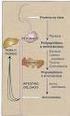 Metabolismo de aminoácidos de proteínas Profa Dra Mônica Santos de Freitas 12.09.2012 1 Introdução As proteínas são a segunda maior fonte de estocagem de energia no corpo; O maior estoque de proteínas
Meios de cultura bacteriano
 Meios de cultura bacteriano O material preparado no laboratório para o crescimento de microrganismos. Inóculo e Cultura; Se desejarmos o crescimento de uma cultura de um certo microrganismo, por exemplo
EXTRAÇÃO E PASTEURIZAÇÃO FÁTIMA ZAMPA RAQUEL TEIXEIRA
 EXTRAÇÃO E PASTEURIZAÇÃO FÁTIMA ZAMPA RAQUEL TEIXEIRA Fundamentação Teórica Extração - Processo que consiste em técnica de separação e purificação de diferentes graus de solubilidade dos constituintes.
ENZIMAS. Faculdade Maurício de Nassau Cursos de Biomedicina, Enfermagem, Farmácia e Fisioterapia Disciplina de Bioquímica. Prof.: Me.
 Faculdade Maurício de Nassau Cursos de Biomedicina, Enfermagem, Farmácia e Fisioterapia Disciplina de Bioquímica ENZIMAS Prof.: Me. Allysson Haide 1 O que será abordado sobre as enzimas? Introdução às
Prof. Marcelo Langer. Curso de Biologia. Aula 38 Citologia
 Prof. Marcelo Langer Curso de Biologia Aula 38 Citologia ENZIMAS Apenas alguns grupos de moléculas de RNA que apresentam função biocatalisadora, todas as enzimas são proteínas. FUNÇÕES DAS ENZIMAS: Proteínas
MACRONUTRIENTES III PROTEÍNAS
 MACRONUTRIENTES III PROTEÍNAS 1 PROTEÍNAS As proteínas são compostos orgânicos de estrutura complexa e massa molecular elevada, elas são sintetizadas pelos organismos vivos através da condensação de um
Colágeno GELITA. Um ingrediente inovador para produtos de valor agregado.
 Colágeno GELITA. Um ingrediente inovador para produtos de valor agregado. Mais proteína e menos gordura: vantagens do colágeno na produção de produtos cárneos. Seja em salsichas cruas com menos calorias,
Pontifícia Universidade Católica de Goiás Departamento de Biologia Bioquímica Metabólica ENZIMAS
 Pontifícia Universidade Católica de Goiás Departamento de Biologia Bioquímica Metabólica ENZIMAS Origem das proteínas e de suas estruturas Níveis de Estrutura Protéica Estrutura das proteínas Conformação
EXTRAÇÃO, SEPARAÇÃO E PURIFICAÇÃO ENZIMÁTICA
 EXTRAÇÃO, SEPARAÇÃO E PURIFICAÇÃO ENZIMÁTICA EQB4383 _ Enzimologia Industrial Etapas de Extração, Separação e Purificação Enzimáticas remoção de material insolúvel separação dos produtos purificação e
ÁCIDO LÁCTICO PRODUÇÃO DE ÁCIDO LÁCTICO COMO PRECURSOR DE DERIVADOS QUÍMICOS DE ALTO VALOR AGREGADO
 1 Workshop sobre o Estado da Arte da Tecnologia de Produção de Etanol: de Olho na Segunda Geração CTBE/CNPEM ÁCIDO LÁCTICO PRODUÇÃO DE ÁCIDO LÁCTICO COMO PRECURSOR DE DERIVADOS QUÍMICOS DE ALTO VALOR AGREGADO
Metabolismo de aminoácidos de proteínas. Profa Dra Mônica Santos de Freitas
 Metabolismo de aminoácidos de proteínas Profa Dra Mônica Santos de Freitas 16.05.2011 1 Introdução As proteínas são a segunda maior fonte de estocagem de energia no corpo; O maior estoque de proteínas
Nutritime. Uso do concentrado protéico de arroz na dieta de suínos, aves e peixes (salmão e truta).
 Uso do concentrado protéico de arroz na dieta de suínos, aves e peixes (salmão e truta). 1) Caracterização O concentrado protéico de arroz (CPA) é um produto oriundo do processamento do arroz para produção
TRABALHO DE BIOLOGIA QUÍMICA DA VIDA
 TRABALHO DE BIOLOGIA QUÍMICA DA VIDA Água Sais minerais Vitaminas Carboidratos Lipídios Proteínas Enzimas Ácidos Núcleos Arthur Renan Doebber, Eduardo Grehs Água A água é uma substância química composta
Aula3: Nutrição, Metabolismo e Reprodução Microbiana
 Instituto Federal de Santa Catarina Câmpus Florianópolis Unidade Curricular: MICROBIOLOGIA Aula3: Nutrição, Metabolismo e Reprodução Microbiana Prof. Leandro Parussolo [email protected] Mesmas
Exercício 1. Calcule a concentração dos reagentes listados abaixo em mol L -1 Tabela 1. Propriedades de ácidos inorgânicos e hidróxido de amônio.
 ATIVIDADE 2 - CÁLCULO DE CONCENTRAÇÃO Exercício 1. Calcule a concentração dos reagentes listados abaixo em mol L -1 Tabela 1. Propriedades de ácidos inorgânicos e hidróxido de amônio. Exercício 2. Calcule
Estudo da velocidade da reação enzimática e como ela se altera em função de diferentes parâmetros
 Estudo da velocidade da reação enzimática e como ela se altera em função de diferentes parâmetros Importante abordagem para o entendimento do mecanismo de ação de uma enzima. Vários fatores afetam a atividade
Lista de Exercícios de Bioquímica
 Universidade Federal de Santa Catarina - UFSC Departamento de Bioquímica - CCB Disciplina: BQA5125 - Bioquímica para Engenharia Sanitária e Ambiental Bolsistas REUNI: Priscila G. A. Martins e Tiago Bortolotto
Faculdade Anhanguera Curso de Graduação em Educação Física
 Faculdade Anhanguera Curso de Graduação em Educação Física Profa. Dra. Amabile Vessoni Arias E-mail: [email protected] 2016-2 Mês de agosto Conteúdo 9 Unidade 1 16 Unidade 1 23 Unidade 1 30
Estrutura covalente de proteínas estrutura tridimensional. Proteina: estrutura covalente com muitas restrições conformacionais
 Estrutura covalente de proteínas estrutura tridimensional Proteina: estrutura covalente com muitas restrições conformacionais M. Teresa Machini IQ/USP Análise de sequência de aminoácidos Conteúdo de aminoácidos
PLÍNIO LUIZ KROTH (Químico Industrial, UNISC)
 DISPONIBILIDADE DE FÓSFORO NO SOLO PARA PLANTAS E FATORES QUE AFETAM A EXTRAÇÃO POR RESINA DE TROCA EM MEMBRANA PLÍNIO LUIZ KROTH (Químico Industrial, UNISC) DISPONIBILIDADE DE FÓSFORO NO SOLO PARA
Proteínas. São compostos orgânicos de alto peso molecular, são
 Proteínas São compostos orgânicos de alto peso molecular, são formadas pelo encadeamento de aminoácidos. Representam cerca do 50 a 80% do peso seco da célula sendo, portanto, o composto orgânico mais abundante
UNIVERSO TERRA SERES VIVOS ORIGEM
 UNIVERSO TERRA SERES VIVOS ORIGEM BIOLOGIA Surgiu da observação, da curiosidade de se compreender a vida e da utilização da natureza em benefício humano Grande salto com Aristóteles Baseada na observação
BIOPROSPECÇÃO MICROBIANA
 BIOPROSPECÇÃO MICROBIANA BIOPROSPECÇÃO MICROBIANA O Brasil, por sua grande diversidade de biomas e de ecossistemas, vasta extensão territorial e por estar nos trópicos onde se concentra a maior biodiversidade
Métodos de Purificação de Proteínas Nativas
 Métodos de Purificação de Proteínas Nativas Disciplina: Métodos de Análise e Purificação de Proteínas Prof. Dr. Marcos Túlio de Oliveira Créditos a Ms. Flávia Campos Freitas Vieira e Prof. Pisauro. Métodos
COMO AS ENZIMAS COLABORAM PARA UMA USINA MAIS LUCRATIVA. Marcelo Vieira Gerente de Pesquisa e Desenvolvimento
 COMO AS ENZIMAS COLABORAM PARA UMA USINA MAIS LUCRATIVA Marcelo Vieira Gerente de Pesquisa e Desenvolvimento AGENDA Prozyn; Desafios técnicos da indústria; Como as enzimas colaboram para uma usina mais
A função é conseqüência da conformação.
 Prova de Conhecimentos Específicos 1 a Questão: (2,0 pontos) Sabendo que as proteínas exercem funções biológicas importantes no organismo, comente a frase abaixo com base no seu conhecimento sobre estrutura
Vamos iniciar o estudo da unidade fundamental que constitui todos os organismos vivos: a célula.
 Aula 01 Composição química de uma célula O que é uma célula? Vamos iniciar o estudo da unidade fundamental que constitui todos os organismos vivos: a célula. Toda célula possui a capacidade de crescer,
À medida que aumentamos o número de variáveis envolvidas num estudo, o número de ensaios aumenta drasticamente!
 Screening Design À medida que aumentamos o número de variáveis envolvidas num estudo, o número de ensaios aumenta drasticamente! N o Fatores Fatorial N o Ensaios 2 2 2 4 3 2 3 8 4 2 4 16 5 2 5 32 6 2 6
ENZIMAS. Osmundo Brilhante
 ENZIMAS Osmundo Brilhante Introdução Condições Fundamentais para a Vida Auto replicação; O organismo deve ser capaz de catalisar as reações químicas; Metabolismo celular e manutenção da via Enzimas Doenças;
UNIVERSIDADE FEDERAL DO VALE DO SÃO FRANCISCO PROGRAMA DE DISCIPLINA. PRÁT: 30h. Engenharia Agronômica Ciências Biológicas
 CARGA HORÁRIA PROGRAMA DE DISCIPLINA NOME COLEGIADO CÓDIGO SEMEST RE ENGENHARIA AGRO0010 DRAULIO COSTA DA SILVA AGRONÔMICA 2017.2 CURSOS ATENDIDOS TEÓR: 30h PRÁT: 30h Engenharia Agronômica Ciências Biológicas
Macromolécula mais abundante nas células
 PROTEÍNAS Origem grego (protos) primeira, mais importante A palavra proteína que eu proponho vem derivada de proteos, porque ela parece ser a substância primitiva ou principal da nutrição animal, as plantas
UE EMBRAPA AGROENERGIA Bioquímica de Renováveis
 UE EMBRAPA AGROENERGIA Bioquímica de Renováveis Embrapa Agroenergia Inaugurada em 2010; ~100 empregados: Pesquisadores, Analistas e Assistentes ~150 colaboradores: Laboratórios Temáticos Embrapa Agroenergia
REAÇÕES ESPECÍFICAS PARA aa
 REAÇÕES ESPECÍFICAS PARA aa Organismo Desaminação não sintetiza Transaminação Descarboxilação TRANSAMINAÇÃO Ác.glutâmico Ceto-ácido ALANINA-piruvato ÁC. ASPÁRTICO- oxalacetato OBJETIVO : CENTRALIZAR TODOS
Screening Design. Estratégias. É utilizado para que o pesquisador não exclua de forma arbitrária as variáveis que possam ser. importantes no processo.
 À medida que aumentamos o número de variáveis envolvidas num estudo, o número de ensaios aumenta drasticamente! N o Fatores Fatorial N o Ensaios Screening Design 3 3 1 5 5 3 7 7 1 5 9 9 51 1 1 1......
1- Microrganismos e indústria alimentar 1.1 Fermentação e actividade enzimática
 Unidade 4 Produção de alimentos e sustentabilidade 1- Microrganismos e indústria alimentar 1.1 1 Qual é a importância dos microrganismos na indústria alimentar? Queijo Os microrganismos são essenciais
Etanol Lignocelulósico
 Etanol Lignocelulósico A Importância do Etanol Lignocelulósico O etanol é uma alternativa para diminuir, em escala mundial, problemas ambientais e energéticos em razão da escassez e alta dos preços dos
Objectivo: Separar uma proteína das restantes no extracto celular. Estratégia: Existem inúmeras técnicas de purificação disponíveis.
 Objectivo: Separar uma proteína das restantes no extracto celular Estratégia: Existem inúmeras técnicas de purificação disponíveis. O procedimento exacto e a ordem dos métodos a aplicar dependem do tipo
BÁSICA EM IMAGENS. Aminoácidos, peptídeos e proteínas
 Universidade Federal de Pelotas Instituto de Química e Geociências Departamento de Bioquímica 04 BÁSICA EM IMAGENS - um guia para a sala de aula Aminoácidos, peptídeos e proteínas Hierarquia estrutural
Biomoléculas e processos Passivos/Ativos na célula
 Biomoléculas e processos Passivos/Ativos na célula ICB Dep. Mofologia Disciplina: Biologia Celular Bases moleculares e Macromoleculares Substâncias Inorgânicas/Orgânicas Processos Celulares Passivos/Ativos
Métodos Analíticos de Controle de Alergênicos em Alimentos Juliana Ramos - R-Biopharm Brasil
 Reunião de vendas II/14 Campinas SP 26. 28. de Agosto 2014 Métodos Analíticos de Controle de Alergênicos em Alimentos Juliana Ramos - R-Biopharm Brasil Alergias Alimentares Alergias Alimentares 170 alimentos
VALORIZAÇÃO INTEGRAL DA BIOMASSA
 VALORIZAÇÃO INTEGRAL DA BIOMASSA O conceito do uso de fontes renováveis está implicitamente conectado com a idéia de Valorização Integral, destacando a importância do uso completo do produto entregue pela
Todos tem uma grande importância para o organismo.
 A Química da Vida ÁGUA A água é um composto químico formado por dois átomos de hidrogênio e um de oxigênio. Sua fórmula química é H2O. A água pura não possui cheiro nem cor. Ela pode ser transformada em